Early elections or full term — parties split, constitutional amendments remain uncertain
Parties are split: the government prefers to run the mandate while some opposition forces press for early polls as talks on constitutional changes remain unsettled.
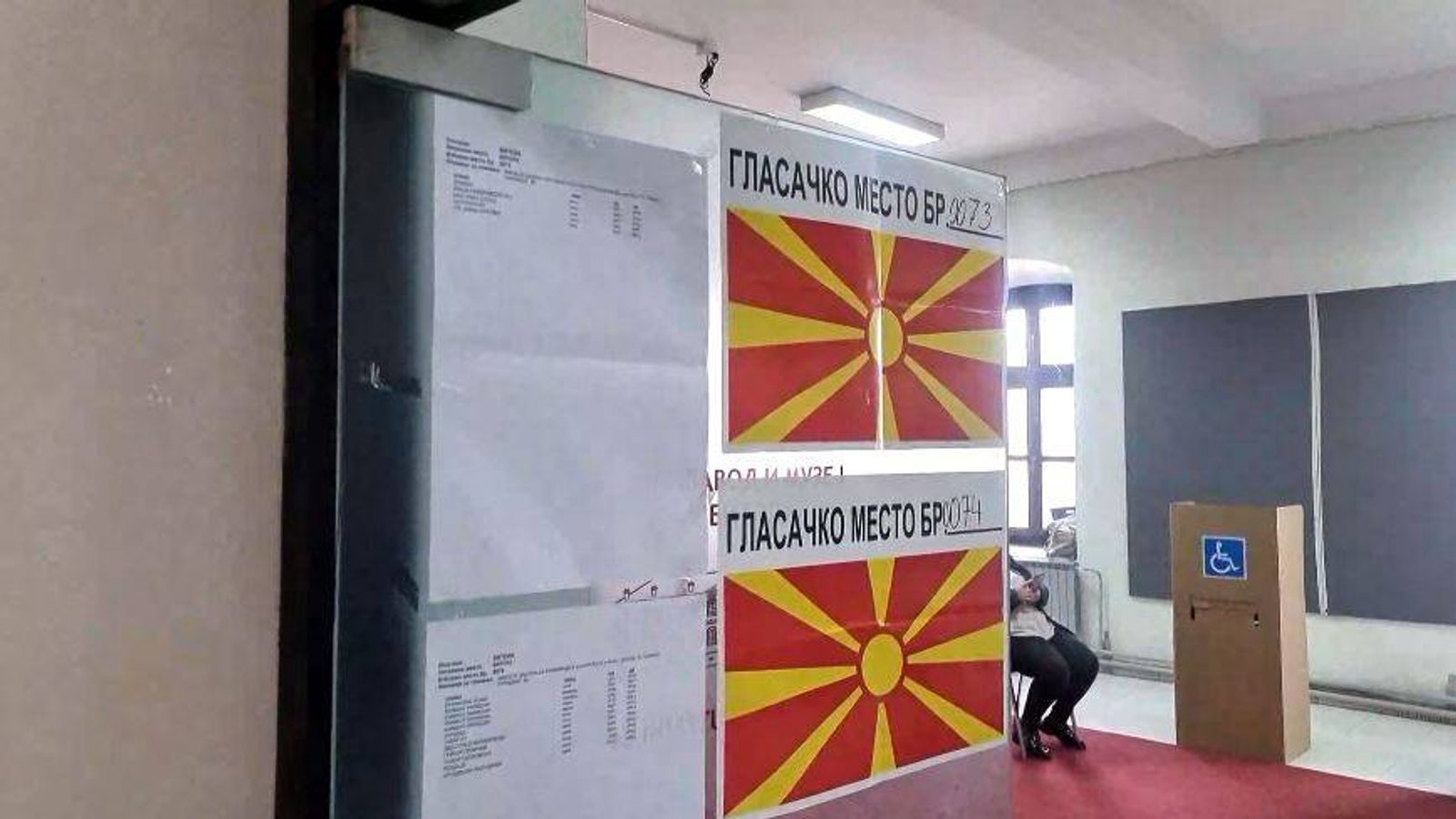
Political parties in North Macedonia remain divided over whether to hold early parliamentary elections or to run the current mandate to its scheduled end while concentrating on reforms and EU accession. The government says it prefers regular elections but will not refuse an early vote if the opposition forces it.
Parties trade accusations as constitutional talks stall
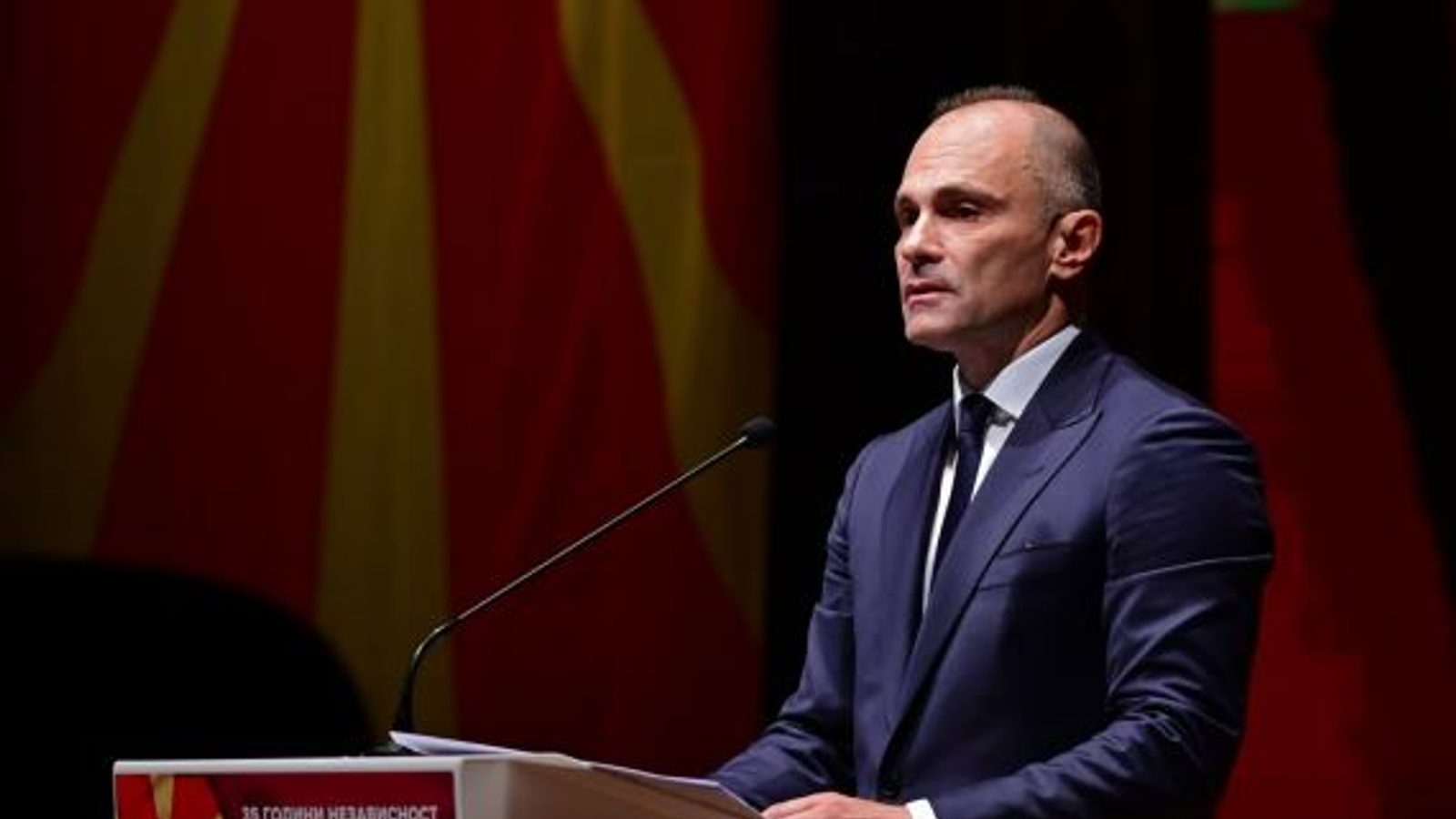
SDSM accused Prime Minister Hristijan Mickoski of seeking elections because the state budget is depleted, and highlighted what it says are the government’s unfinished results and growing debts. Venko Filipche, president of SDSM, sharply attacked the prime minister in public remarks.
"It is obvious that the only parameter that drives him to call elections is that there is no more money in the budget for his criminal tenders. Now there is nowhere to borrow so easily, because his mentor Orban is no longer in power, there is nowhere to get Chinese money. We are not isolated. On the contrary, we are leaders within the movement and the front for truth and justice. We are not isolated. And there will be elections; we will face the elections whenever they are, whether next year or in two years," said Venko Filipche, president of SDSM.
Several opposition parties signalled readiness for early elections. DUI publicly called for the dissolution of parliament, while Levica also said it accepts the idea of early polls and appealed for unity around broader social change. SDSM’s leader responded that any opposition unity should be built on clear pro‑European policies and urged Levica to abandon pro‑Russian positions.
VMRO‑DPMNE, however, turned its criticism at the SDSM leader. "The only person in the country who does not want elections and runs from them is Venko Filipche and the scum of SDSM. It is clear even from the moon what a debacle they will experience and how they will be defeated by the citizens," VMRO‑DPMNE replied.
Political analysts expect the government will try to complete its mandate. That political context leaves the timetable and prospects for constitutional amendments uncertain: talks are expected to continue, but many observers doubt a quick resolution.
"The opposition should always ask for elections at any given moment, because it always tries to use that to achieve a better result in the next parliamentary vote. In this situation it is a little unclear, because some opposition parties want early parliamentary elections while other opposition parties do not. The same applies within the government. Some in the government are not ready for early parliamentary elections, while VMRO‑DPMNE always asks for them because it is ready. I think that very soon constitutional amendments will not be able to be resolved, so the government would not risk making those constitutional amendments at a final stage, and especially not under Bulgarian diktat," said political analyst Ljulzim Farizi.
Photo: press material from the event