Food prices in North Macedonia: will there be another increase?
Federation of Trade Unions: households spend over a third of income on food while inflation for some everyday products persists.
Household spending on food and beverages in North Macedonia remains far above the European average, heightening public concern about another round of price increases for staples.
Key figures
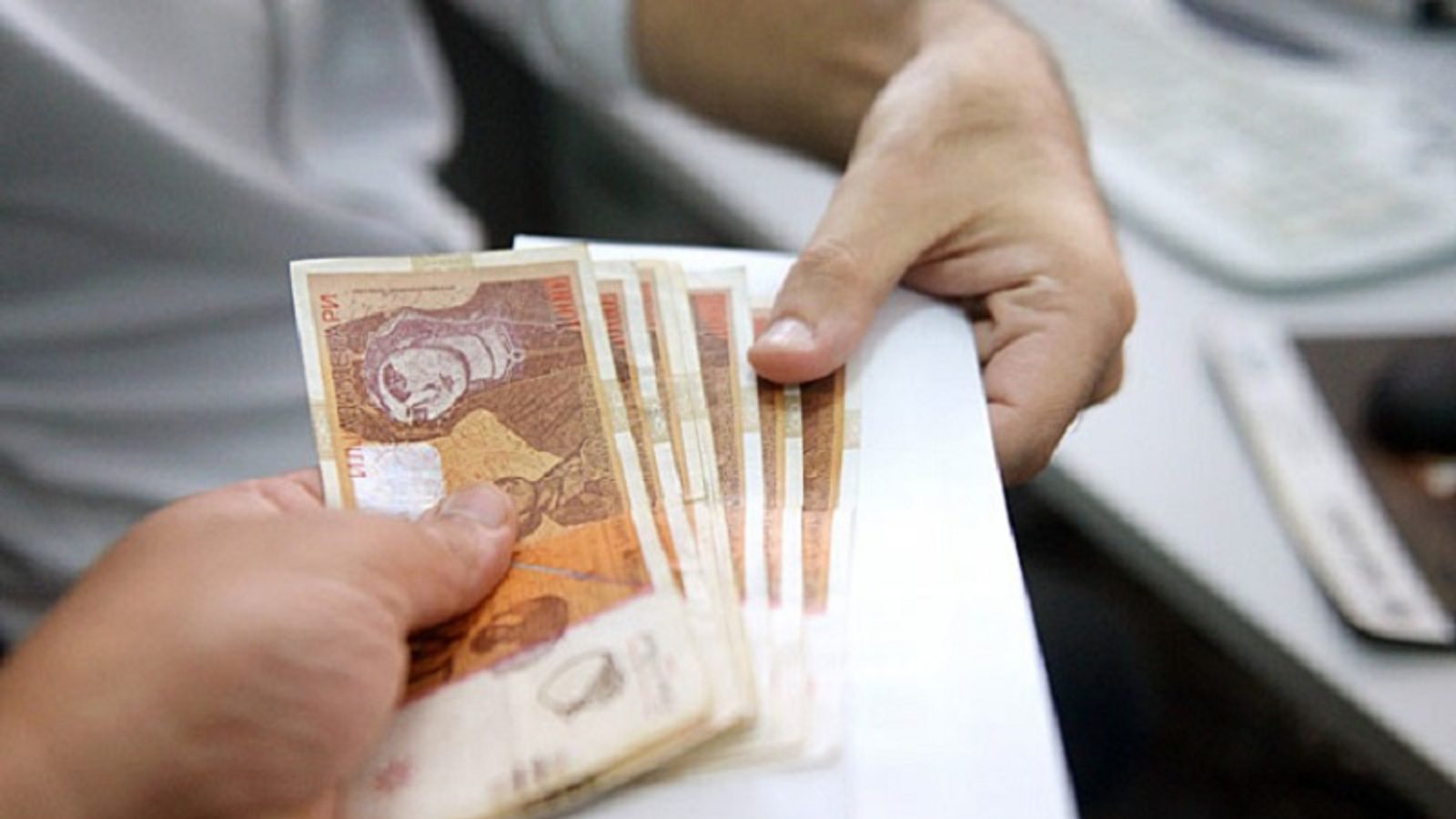
On average Europeans spend 16% of their income on food and drinks, while the same outlay for Macedonian households exceeds one third of monthly family expenses. The Federation of Trade Unions of Macedonia calculates this gap and warns that the minimum wage has never before been so low that it fails to cover average monthly costs for food and beverages.
Inflation for several everyday food products has not subsided, the data show, pushing families to rethink priorities within already tight budgets. Analysts have been examining how the average household allocates spending across categories and which items weigh most heavily on monthly outlays.
Producers report mixed expectations about how prices will move in the coming months: some anticipate further increases if input and energy costs persist, while others point to market limits for passing costs on to consumers. Retailers and manufacturers thus face uncertainty when setting prices for basic goods.
For consumers, the immediate consequence is a continued squeeze on purchasing power: when more than a third of income goes to food and beverages, even small additional price rises reduce the room for other essential spending. Policymakers and social partners are being urged to monitor developments closely and consider measures to ease the burden on low-income households.
Photo: press material from the event