Saint Moses the Black — feast day, life and household customs for September 10
Commemoration on September 10, rites to invite protection from addictions and family discord, and prohibitions for the day.
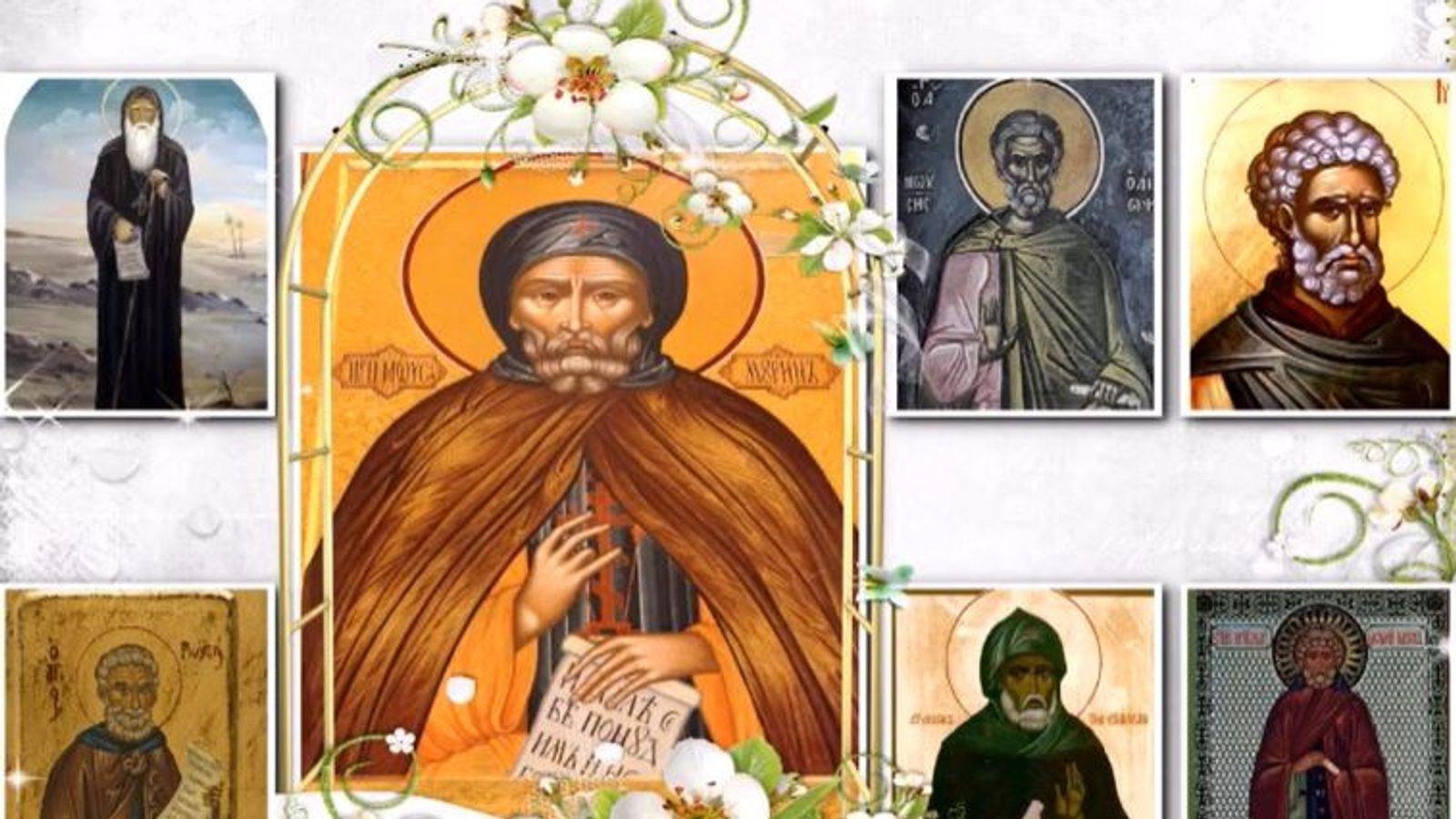
On September 10 the Orthodox world commemorates one of its most striking ascetics and wonder-workers — Saint Moses the Black. The occasion is observed with prayers, household customs and reminders of the saint’s life as an extreme example of repentance and spiritual recovery.
Moses was born in Egypt and lived a turbulent early life: after escaping slavery he became the leader of a violent band of robbers, chosen because of his great physical strength and ruthlessness. A profound crisis of conscience led him to abandon that life, enter a monastery and submit himself to the guidance of elders. He drew on the teachings of Macarius, Arsenios and Isidore and later retreated to a life of silence in a cell.
By intense ascetic struggle — long nights of prayer and humble labor such as carrying water from distant wells for elder monks — he is said to have overcome his passions. In old age he was ordained a priest, founded a monastery and gathered some 75 disciples around him.
When marauding raiders attacked near the end of his life, Moses refused to flee and accepted death, quoting the words, "All who take up the sword will perish by the sword." (Matthew 26:52). He was killed together with six brother-monks, and witnesses reported seeing seven radiant crowns descend from heaven over them.
Feast-day prayers and household customs
In Orthodox popular practice Saint Moses is regarded as a protector and intercessor for people struggling with powerful passions and addictions — alcoholism, drug addiction, anger and lustful thoughts. Worshippers pray to him for deliverance from harmful habits, for calming of anger, for deep and sincere repentance, and for protection from visible and invisible enemies.
Traditions for September 10 recommend bringing blessed (holy) water and a new church candle into the home, together with four small bunches of dried basil or other fragrant herbs. These items are believed to symbolically cleanse the household, invite peace and bring healing to broken family ties. On the feast day, adherents are urged to avoid quarrels, to refuse relapse into old vices, and to practise forgiveness as a path toward blessing and reconciliation.
Photo: press material from the event