Saint Theodora of Alexandria remembered for radical repentance
A fifth‑century life of repentance: disguise, exile to the desert for seven years and posthumous revelation of her sex
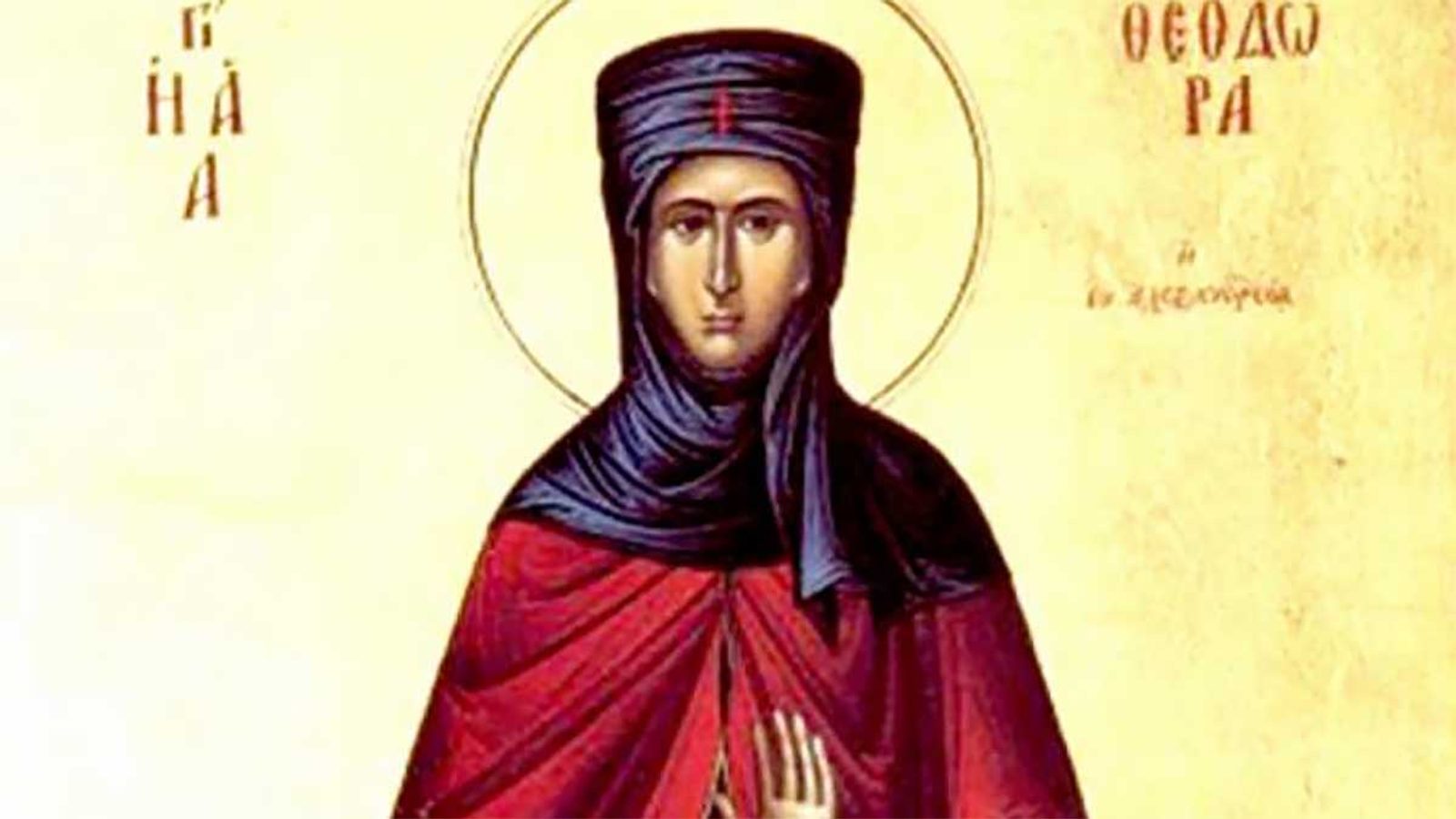
Saint Theodora of Alexandria, a fifth‑century ascetic, is remembered for a life of radical repentance that, according to tradition, began after she betrayed her marriage. Her story is commemorated in churches and households that mark her example of humility and conversion.
Moved by remorse, Theodora is said to have cut her hair, dressed as a man and entered the male monastery known as Octodecat under the name "Theodor." Her uncompromising labor, fasting and tears impressed the brethren, but she was later slandered by a young woman who accused her of fathering a child. Theodora accepted the humiliation without protest and was expelled.
Seven years in the desert
For seven years she wandered the wilderness caring for the child of the woman who had slandered her. During that time the accounts say she overcame numerous temptations; whenever she made the sign of the cross, the trials would vanish. After seven years the abbot received her back into the monastery, where she lived two more years before she died.
Only after her death did the monks learn she had been a woman: an angel revealed the truth to the abbot. The story adds that her husband attended her funeral and later lived out his days in her former cell. Saint Theodora is also credited with miraculous signs—subduing wild animals, healing the sick and drawing water from a dry well.
A traditional hymn (troparion) honors her life of repentance and monastic example. Translated into English, the troparion reads: "Blessed Mother Theodora, O holy ascetic of Christ, grace granted you repentance; wisely you used the desert, disgraced the enemy of souls; gather us, imitator of the heavenly ranks, to God, where neither male nor female exists; by your holy prayers may we be gathered."
Alongside Theodora, several other saints are commemorated on this day: the martyr Eudokia (Iya), who suffered in Persia under Shapur II in 363; Saint Silouan of Athos (born 1866 in the Tambov province, died 1938), a humble elder whose writings were published in the book "Elder Silouan," considered a sixth volume of "Dobrotoljubie"; and the ninth‑century monk Euphrosynus the Cook, known for his simple holiness and miraculous sign of three heavenly apples.
Photo: press material from the event