Western Balkans carriers to wait until 1 September — outcome in Brussels will decide possible protests
At a regional meeting in Skopje carriers demanded strict application of the Schengen 90/180 rule and set a deadline of 1 September for a Brussels meeting; about 17,000 drivers in North Macedonia and 100,000 regionally are affected.
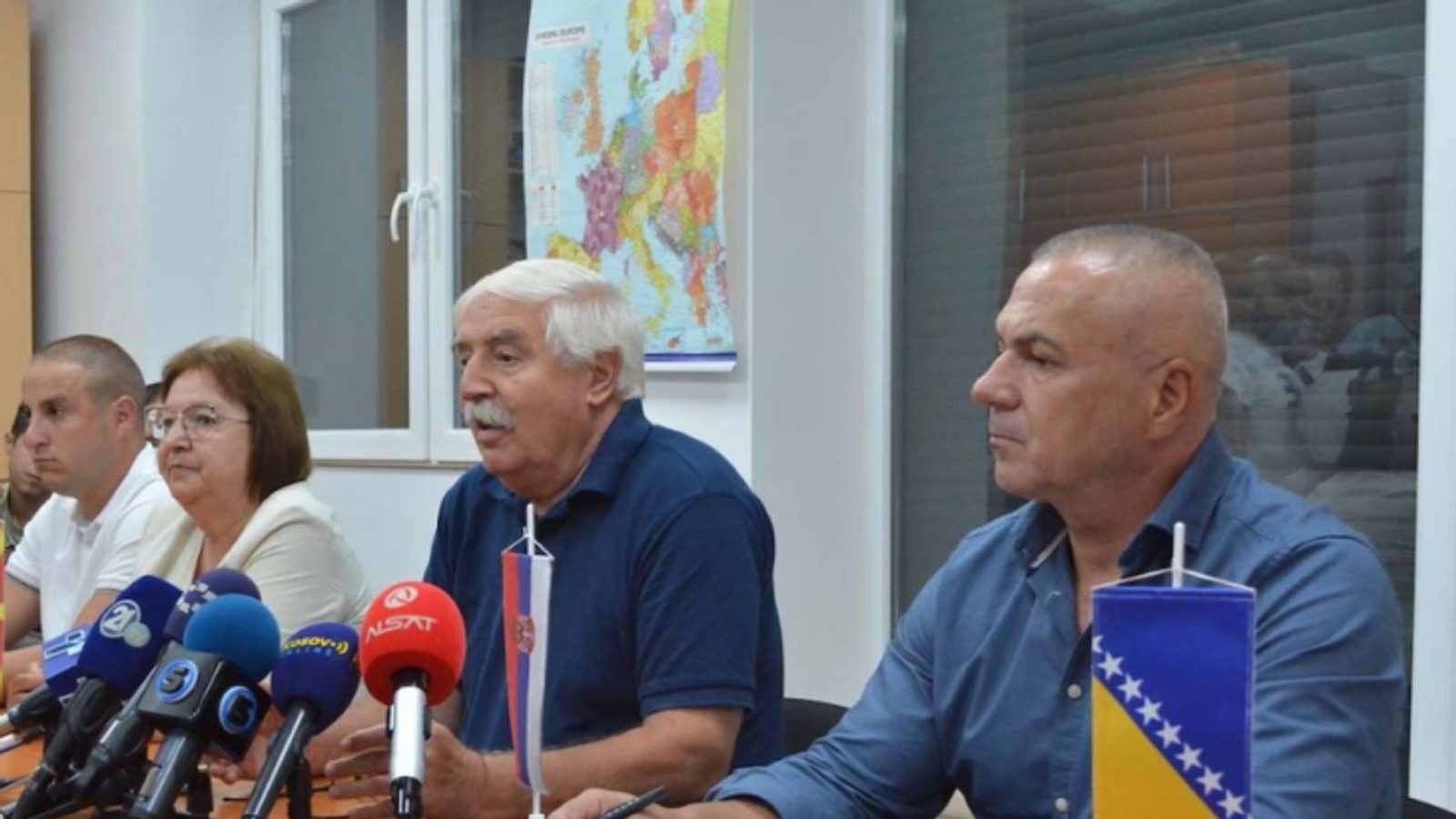
Transport associations from the Western Balkans have agreed to wait until 1 September, when a high-level meeting with representatives of the European Commission is scheduled in Brussels. The groups say the outcome of that meeting will determine whether they move ahead with protests over the limited allowed stay for drivers in the Schengen area.
The associations held a regional meeting today in Skopje to coordinate their position on the so-called 90/180 rule — that non-EU carriers are permitted to remain in Schengen states for 90 days within any 180-day period — and to demand firm guarantees that the rule will be applied predictably to professional drivers.
Calls for clear guarantees and a deadline
Biljana Muratovska, general secretary of the Association of Carriers "Makam-trans", told the meeting that the carriers do not want confrontation but will act if they have no choice. "Ние ќе бидеме трпеливи, ќе се трудиме да направиме шеми за движење на возачите. Сега е период на годишни одмори, меѓутоа она што следува од септември натаму ќе биде многу трагично ако не најдеме решение. Не сакаме да му наштетиме на никого, ниту на Европска Унија, ниту на нашите држави, а најмалку на нас самите, превозниците, но ако сме принудени, ќе организираме протести со коишто уште еднаш ќе ги потсетиме сите дека сепак постои проблем којшто треба да се реши", she said.
Nedjo Mandic from Serbia said decisions on protests have already been taken at the national level and by boards of directors in the various countries. He stressed carriers do not want to stage demonstrations because of the social impact, "We honestly hope and wish that this will not happen," he added, but warned that they will be forced to act if no solution appears.
The associations insist they do not seek to change the 90/180 rule itself, but demand that it be applied strictly — "a minute to be a minute, an hour to be an hour" — and asked for a concrete deadline by which the problem will be resolved. Mandic warned that current inconsistent border practice has already pushed about half of drivers to refuse assignments because they lack certainty at crossing points.
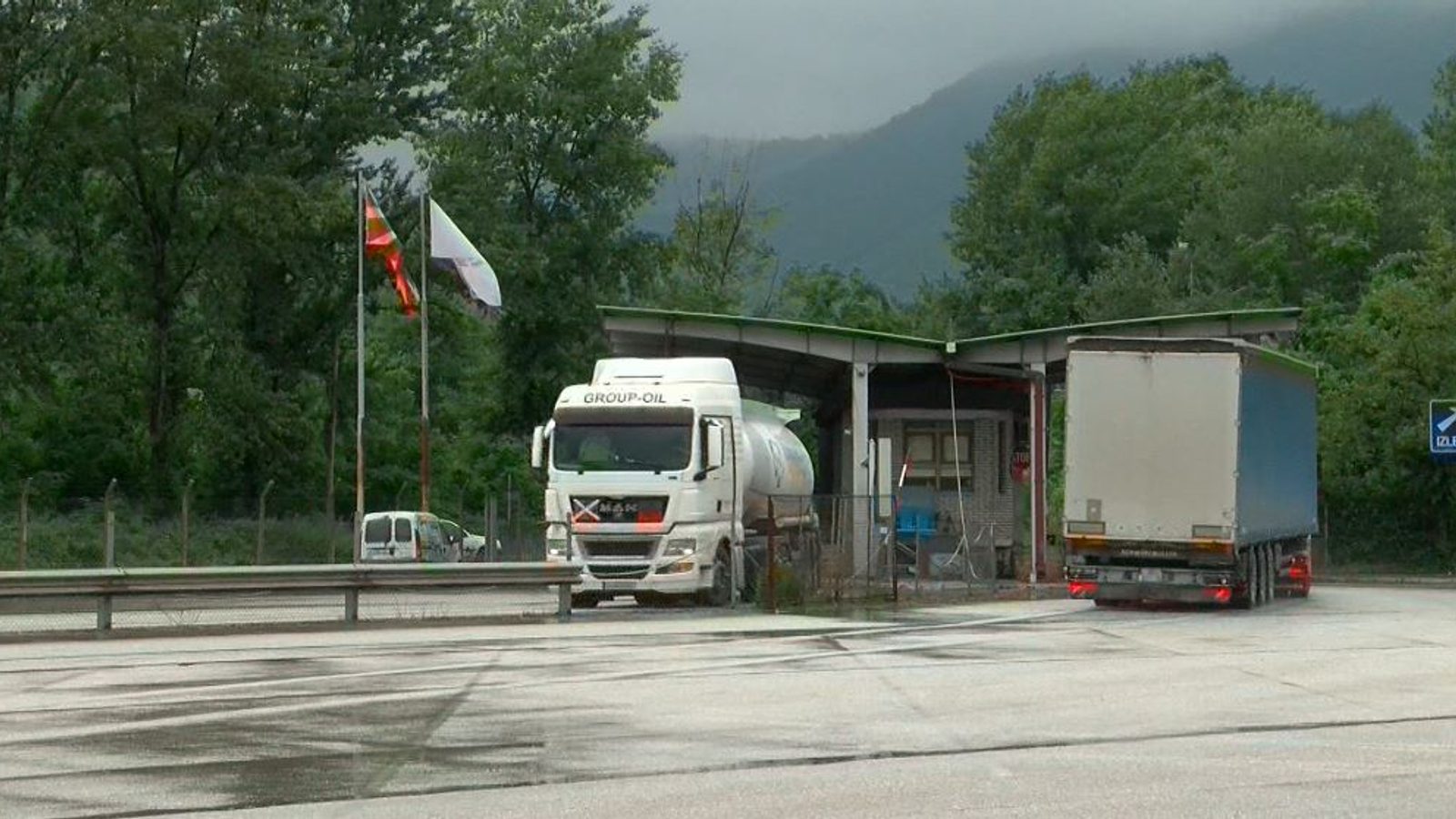
Organisers estimate the issue affects roughly 17,000 professional drivers in North Macedonia and some 100,000 across the Western Balkans. Drivers from North Macedonia, Serbia, Montenegro and Bosnia and Herzegovina have faced the problem since the end of last year, when the European Union introduced the Entry/Exit System (EES) that registers non-EU travellers and applies the 90-day limit for stays.
Transport Minister Aleksandar Nikoloski said in July that North Macedonia has pursued bilateral talks with EU states to resolve the issue for professional drivers, rather than a joint Western Balkans approach, because he believes some countries politicize the matter. He added that agreements offering partial solutions have been reached with Croatia, Switzerland and Romania, while talks with Slovenia, Austria and Germany are in their final stages.
Photo: press material from the event