First mother-to-child kidney transplant for Alport syndrome performed in North Macedonia
A mother donated a kidney to her child with Alport syndrome after months of multidisciplinary preparation at national clinics.
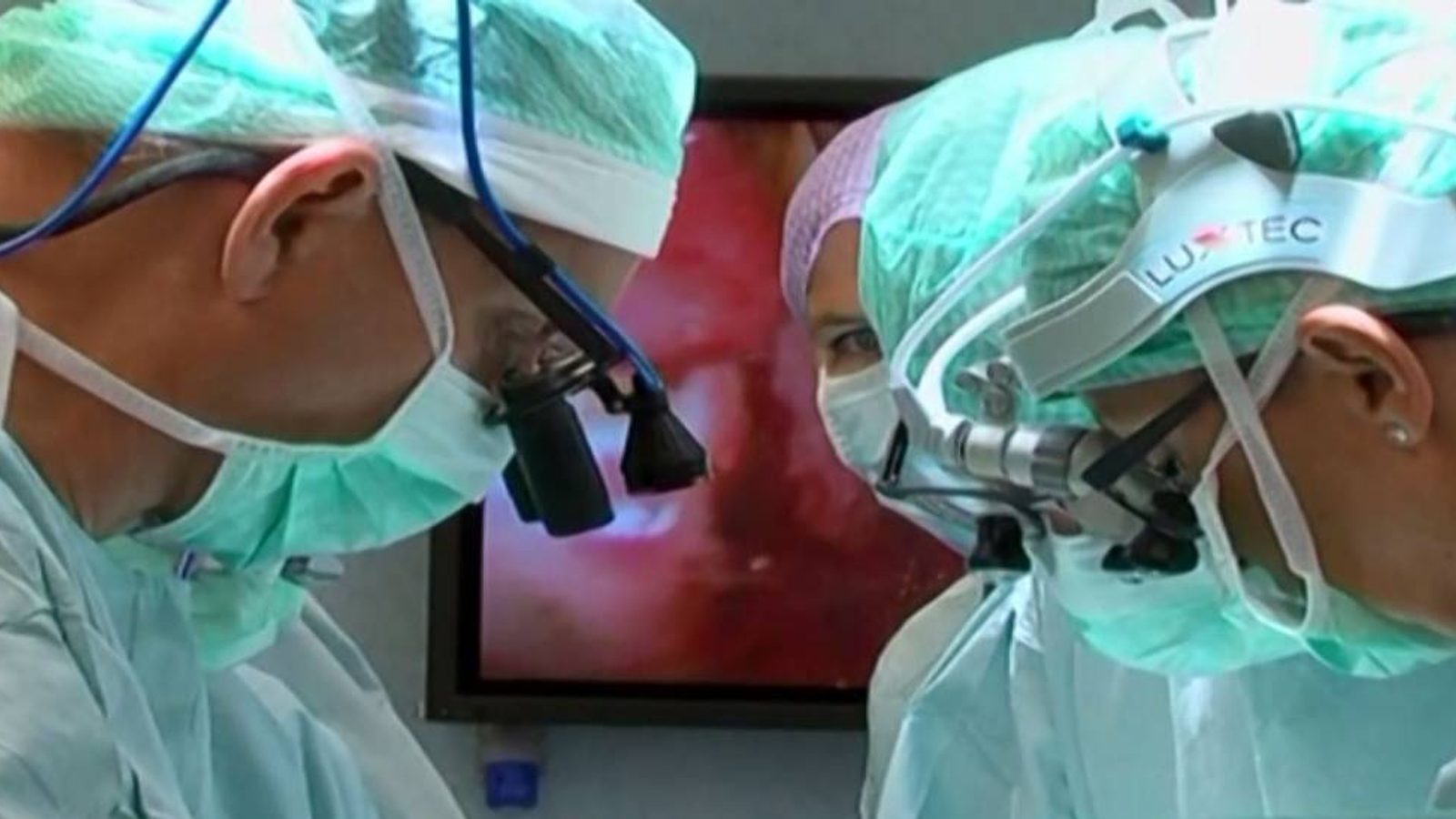
North Macedonia recorded its first kidney transplant in which a mother donated a kidney to her own child diagnosed with Alport syndrome, health officials announced. The procedure marks a milestone in the treatment options for patients with this rare hereditary disease that progressively damages kidney tissue and can lead to kidney failure and dialysis dependence.
Multidisciplinary preparation and new European guidance
According to the national transplant coordination office, compatibility tests confirmed the match between donor and recipient and the mother was evaluated as a suitable living donor after several months of clinical preparation at the Clinic of Nephrology and the Clinic of Urology. The operation involved surgeons, anesthesiologists, internists and immunologists who worked together to prepare the team and the patient.
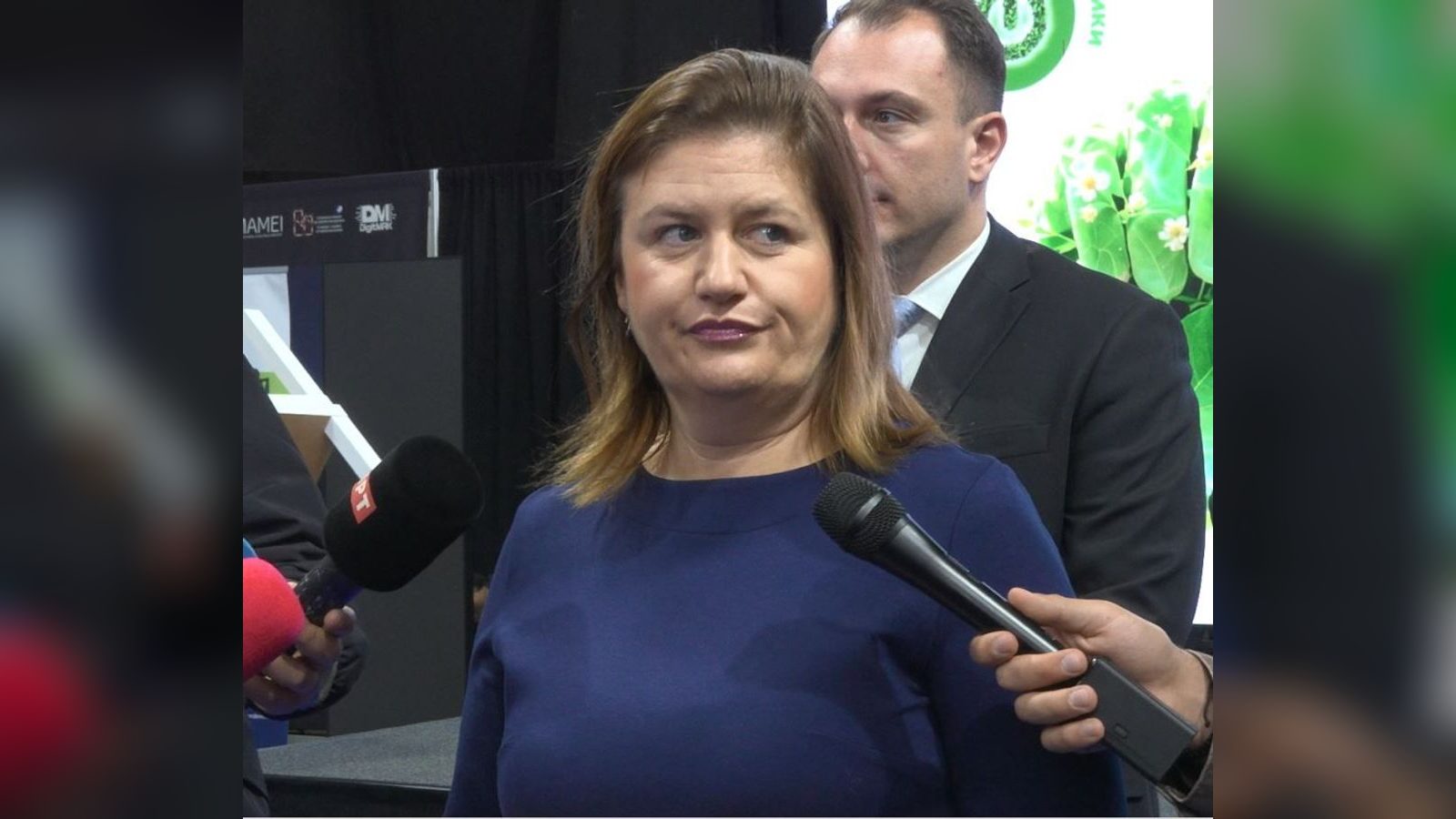
“Why this is important, because for the first time we follow the recommendations of three professional European societies published in 2024 that although Alport is a genetic disease that a parent can carry, if the parent has no clinical signs of disease and is over 40 or 45 years old they can be a donor. A brave, truly brave mother with a big heart, after long preparations at the Clinic of Nephrology and the Clinic of Urology — those preparations lasted for months, the colleagues surgeons, anesthesiologists, internists, immunologists, all who were involved in this process managed to make us enter global trends, perhaps among the first to transplant a mother carrier of the gene of a child with manifest disease,” said Prof. Dr. Biljana Kuzmanovska, National Coordinator for Transplantation.
The transplant office also reported national activity figures for 2026: nine kidney transplants from living donors and seven transplants from deceased donors were performed this year.
Officials added that, during 2026 so far, ten potential donors with diagnosed brain death were processed whose organs were suitable for donation, while four transplants from deceased donors were carried out following obtained consent.
“It is difficult to talk with everyone, everyone loses a relative, but there is nothing harder than when you talk with a parent who loses a child. And from the statistics we have, more parents gave consent for their children to donate organs. Probably it is some consolation for them that part of their children will continue to live. But it is really hard, whoever has not been present at those conversations cannot know how emotionally burdensome and difficult they are and we empathize with the donor's family, and before us is a big task to organize the transplant,” Kuzmanovska said.
She also noted that the Law on Organ Donation has been passed by Parliament; sublegal acts and intersectoral harmonization are underway. Once those implementing acts are completed, Kuzmanovska said a so-called hybrid model could be introduced, allowing people to register their wishes during life while the current system of presumed consent remains in place.
Photo: press material from the event