Pseudomonas aeruginosa confirmed in Gostivar water; drinking ban remains in place
Directorate for Protection and Rescue and Ministry of Health report case numbers while authorities keep restrictions on tap water.
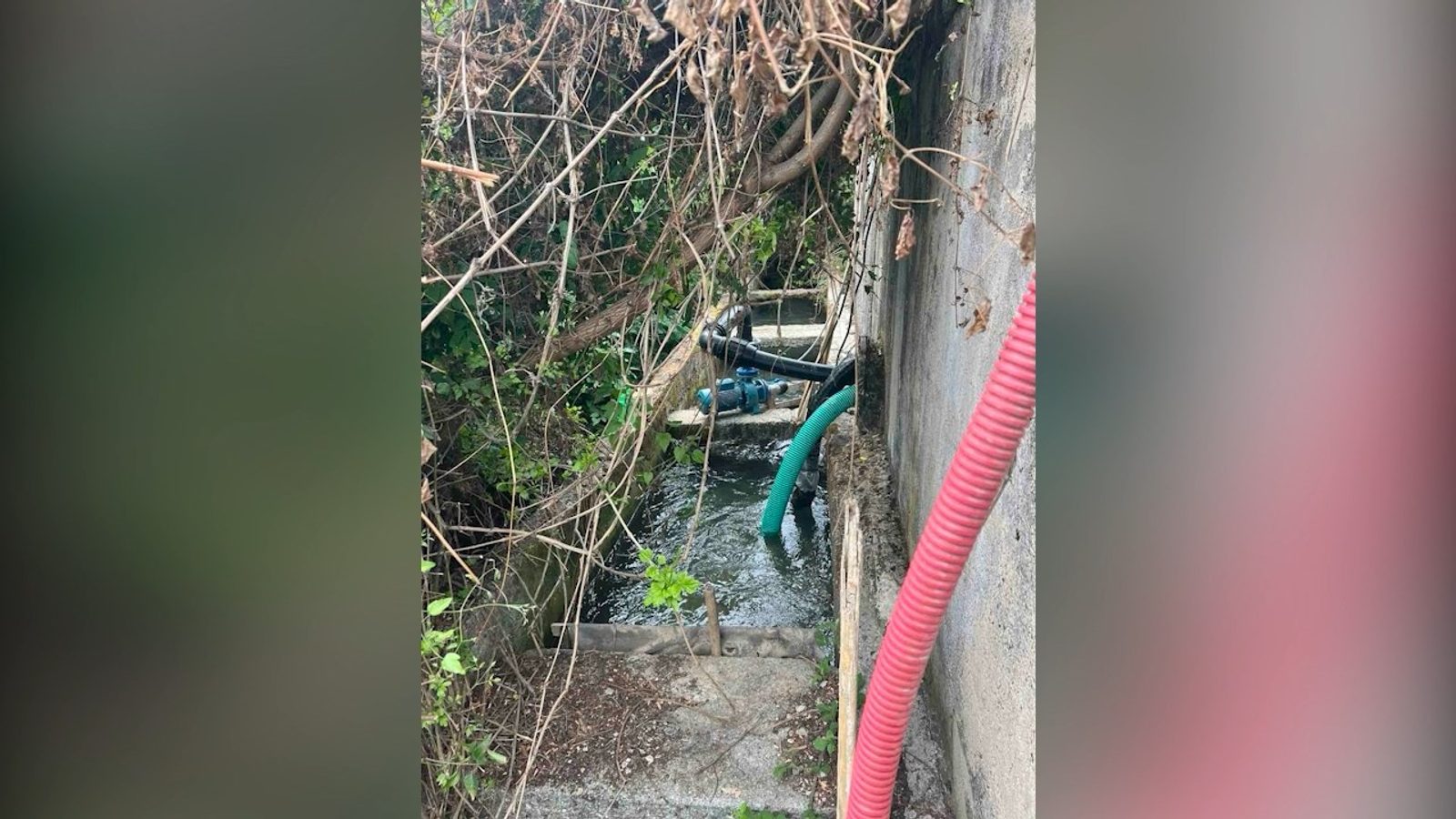
Pseudomonas aeruginosa, an antibiotic‑resistant bacterium that can cause infections of the skin, eyes and ears and poses a particular risk to people with weakened immune systems, has been confirmed in Gostivar's water supply, the director of the Directorate for Protection and Rescue, Stojanche Angelov, said today.
Medical evidence indicates that in vulnerable individuals the bacterium can also cause urinary tract and lung infections.
Specialists assessing the situation say the outbreak is easing, but they stress that patients continue to be closely monitored and that treatment is determined on a symptomatic basis.
Data on health visits
The Ministry of Health reported that the epidemiological situation in Gostivar remains stable and is being continuously followed by the competent health institutions. On 2 August there were a total of 84 first medical examinations recorded, which is 27 more than the previous day when 57 examinations were registered. Despite the daily rise, the number of visits remains substantially lower than the peak on 18 July, when 649 examinations were recorded.
Residents of Gostivar are now in the third consecutive week of water supply problems: since 17 July the tap water has been banned for drinking and food preparation. The municipal system has provided technical water since last Monday, but authorities so far have only issued notices and appeals for patience before the water can be reused for drinking and cooking.
Photo: press material from the event