Putin signs law imposing restrictions on Russians abroad convicted in absentia
New law creates a justice ministry registry and imposes banking, property and consular restrictions on Russians abroad convicted in absentia or targeted by political provisions.
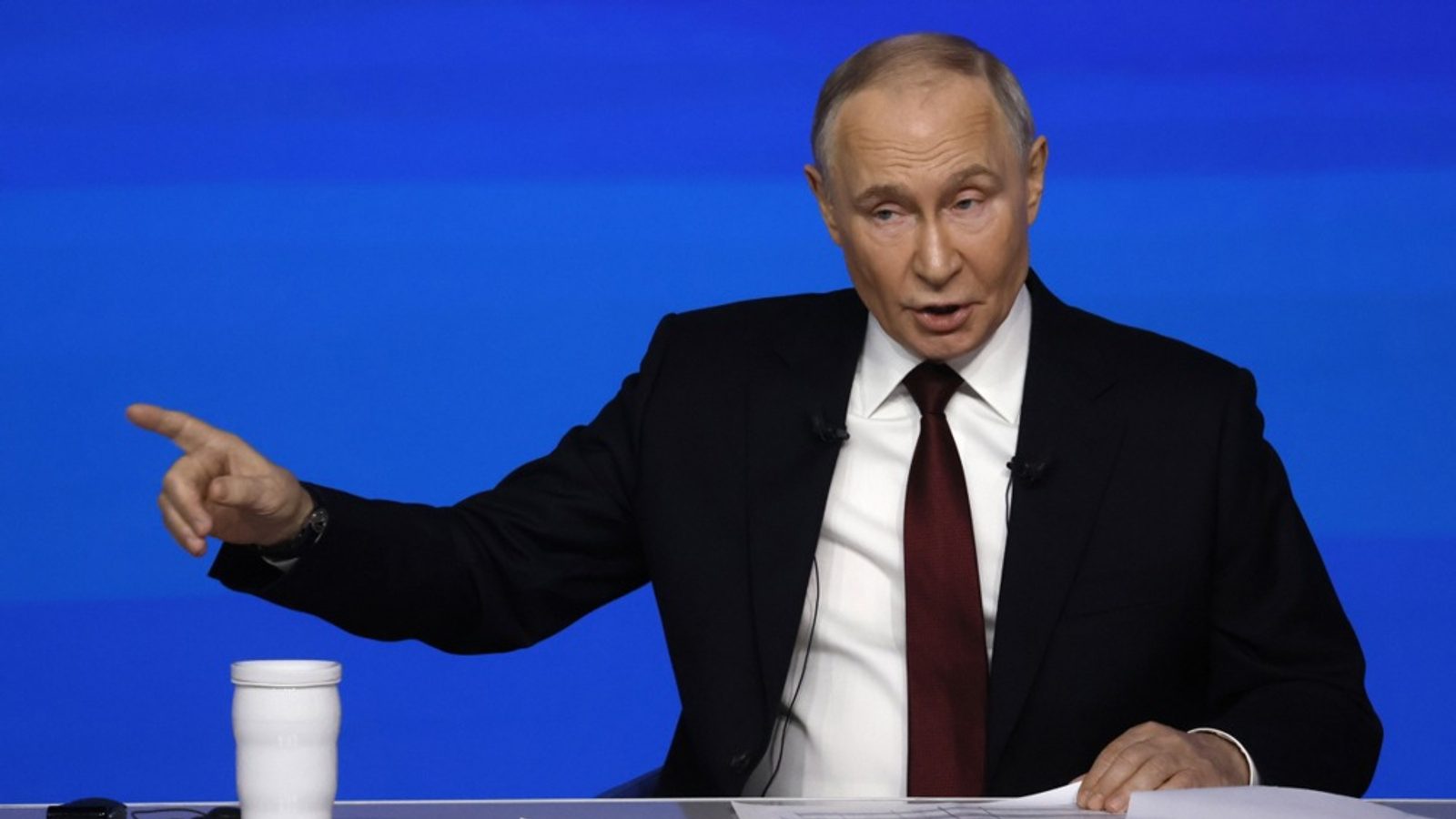
Russian President Vladimir Putin has signed a law that introduces temporary restrictive measures targeting Russian nationals living abroad who have been convicted in absentia or are deemed to be "evading the execution of a sentence", officials say.
Register, frozen assets and limits on consular services
The measure applies to all persons outside Russia convicted under any article of the Criminal Code, as well as to those subject to final administrative rulings under politically sensitive provisions such as "discrediting" the armed forces, breaching the rules on the status of "foreign agent", participation in "undesirable organizations", calling for sanctions against Russia, or disputing its territorial integrity.
Under the new regime the Ministry of Justice will maintain a dedicated registry; the chief prosecutor or a deputy may add names. Once registered, individuals face measures including freezing of bank accounts in Russia and blocking online banking apps and money transfers; bans on sale or transfer of property and vehicles (including by power of attorney); prohibition on use of the state services portal and electronic signatures; and refusal of most consular services abroad — including issuance or renewal of international passports. The only explicit exception is issuing a certificate confirming that the person is alive.
Other restrictions listed are the inability to register as an entrepreneur or self-employed person, obtain loans, receive state benefits, or authorize others to act on their behalf.
Legal experts at the rights organisation First Section warned that the cumulative effect of these measures amounts to "effective deprivation of citizenship" or "civil death": the state retains the capacity to prosecute and demand obedience to law while stripping away the practical rights normally connected to Russian citizenship.
The move comes after hundreds of thousands of Russians left the country following the start of the conflict in Ukraine on February 24, 2022. Conservative estimates put around 650,000 still abroad; broader tallies, including temporary departures, range from 800,000 to more than one million. The largest single wave — by some estimates between 300,000 and 400,000 people — followed President Putin's partial mobilisation after September 21, 2022, when military-age men left to avoid conscription.
Officials say the measures arrive amid an ongoing shortage of personnel at the front. Russian sources and Ukrainian officials report Kremlin discussions of a possible new mobilisation after the State Duma elections in September 2026, perhaps in October, that could involve "100,000 to 300,000 to 500,000 people." While no final decision has been taken and the Kremlin continues to emphasise "voluntary" recruitment through contracts, the timing of the law signals Moscow's intent to tighten control over the diaspora that left precisely to avoid such calls.
Putin: "The West is openly preparing for war with Russia — we are ready to respond".
Photo: EPA/SERGEI ILNITSKY