Early signals for 2026–27 flu season in Germany; experts urge vaccinations
Experts caution that an early US outbreak and an H1N1 mutation raise concern; STIKO recommends COVID‑19 and RSV vaccination for high‑risk groups.
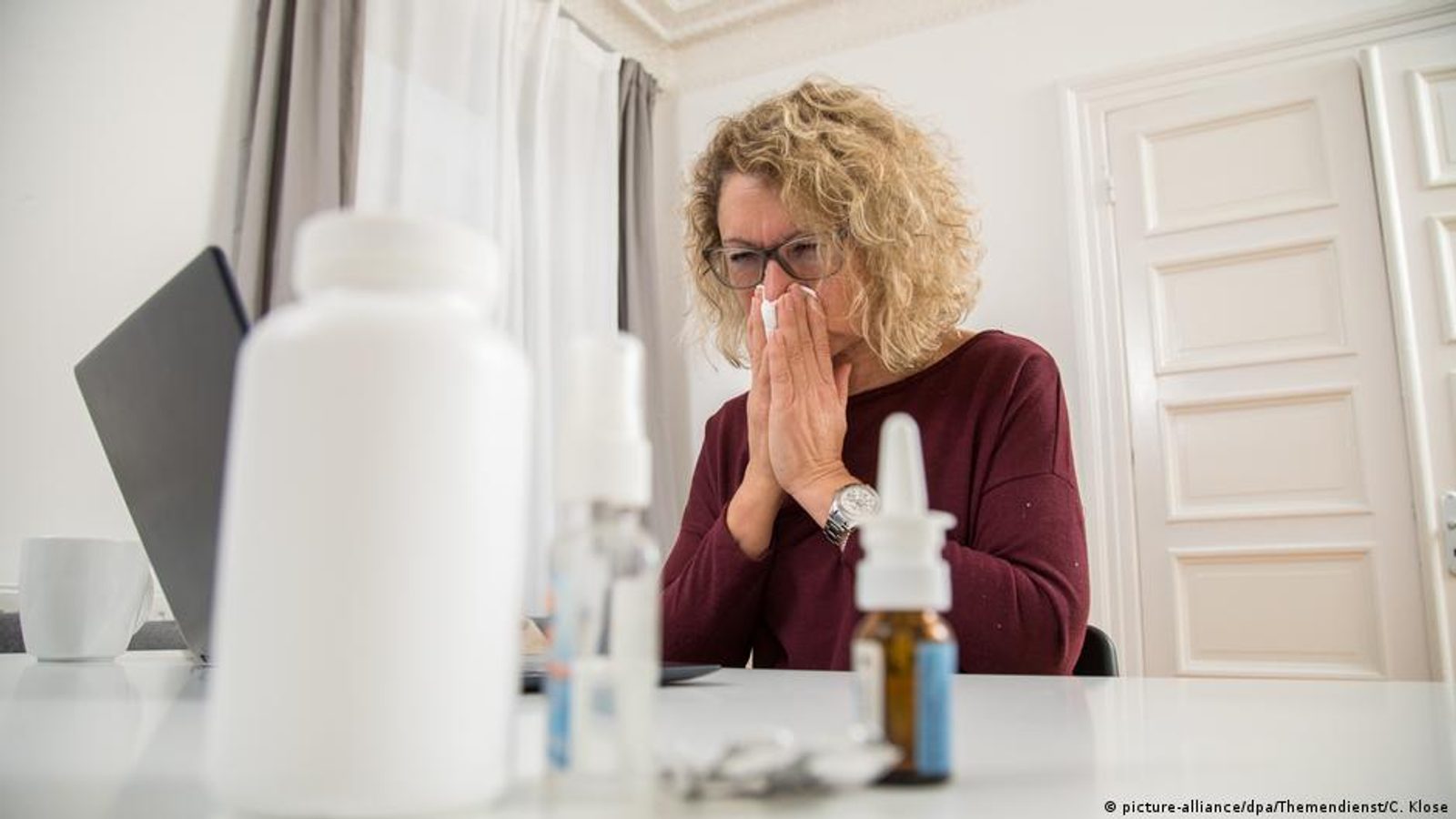
Seasonal respiratory infections have arrived in Europe and experts warn that this autumn could bring an early and active influenza season. The update was presented at a briefing on 23 October 2026 by epidemiologists, paediatricians and virologists who reviewed recent signals from the southern hemisphere and surveillance data from Germany.
Scientists point to two worrying signs: the influenza season in the United States began more than a month earlier than usual this year, and researchers there have identified a new mutation in the currently dominant H1N1 influenza subtype. How the season will unfold in Europe remains uncertain.
“We simply still do not have a crystal ball,” said Ulrike Protzer of the Technical University of Munich at the Science Media Center briefing, urging caution about firm predictions. Vaccines are adjusted annually to match circulating strains, and Protzer noted that current vaccines still provide good protection against the strains that dominated in Australia and Japan, even though those dominant strains differed significantly.
Who is most at risk and what is recommended
Coverage with influenza vaccines in Germany is low among vulnerable groups: only about 30 to 40 percent of adults with chronic illnesses are vaccinated, and uptake among children with underlying conditions remains around ten percent. Reinhard Berner, a paediatrician and chair of the Standing Committee on Vaccination (STIKO), warned: “We accept that 90 percent of our vulnerable children or two thirds of adults at risk of severe infection are not protected.”
At the moment most respiratory infections are caused by rhinoviruses and parainfluenza viruses; there are no approved vaccines for those pathogens. SARS‑CoV‑2 continues to circulate and wastewater monitoring in Bavaria already shows a clear rise in infections. Experts say new variants do not necessarily mean higher severity, but the disease burden from COVID‑19 has generally fallen year by year since the pandemic.
STIKO recommends vaccination against both SARS‑CoV‑2 and respiratory syncytial virus (RSV) for people aged 75 and older, and also advises vaccination or booster doses for residents of long‑term care facilities and people with chronic illnesses. Immunity to many respiratory viruses wanes substantially after one to two years, and the immune system needs about two weeks after vaccination to build full protection.
It remains unclear whether the influenza wave in Germany will actually start earlier or how strong it will be. If patterns follow previous years, peaks of influenza and RSV could occur around Christmas and during January and February.
Photo: press material from the event