Tensions rise as Spain imposes checks on passengers from Italy
Madrid and Rome have exchanged reciprocal internal border controls after the mass arrivals in Ceuta, heightening tensions and disrupting travel between the two countries.
Spain has begun random border checks on travellers arriving from Italy, a move that has intensified a diplomatic row between the two EU members and is already affecting people who travel regularly between the countries.
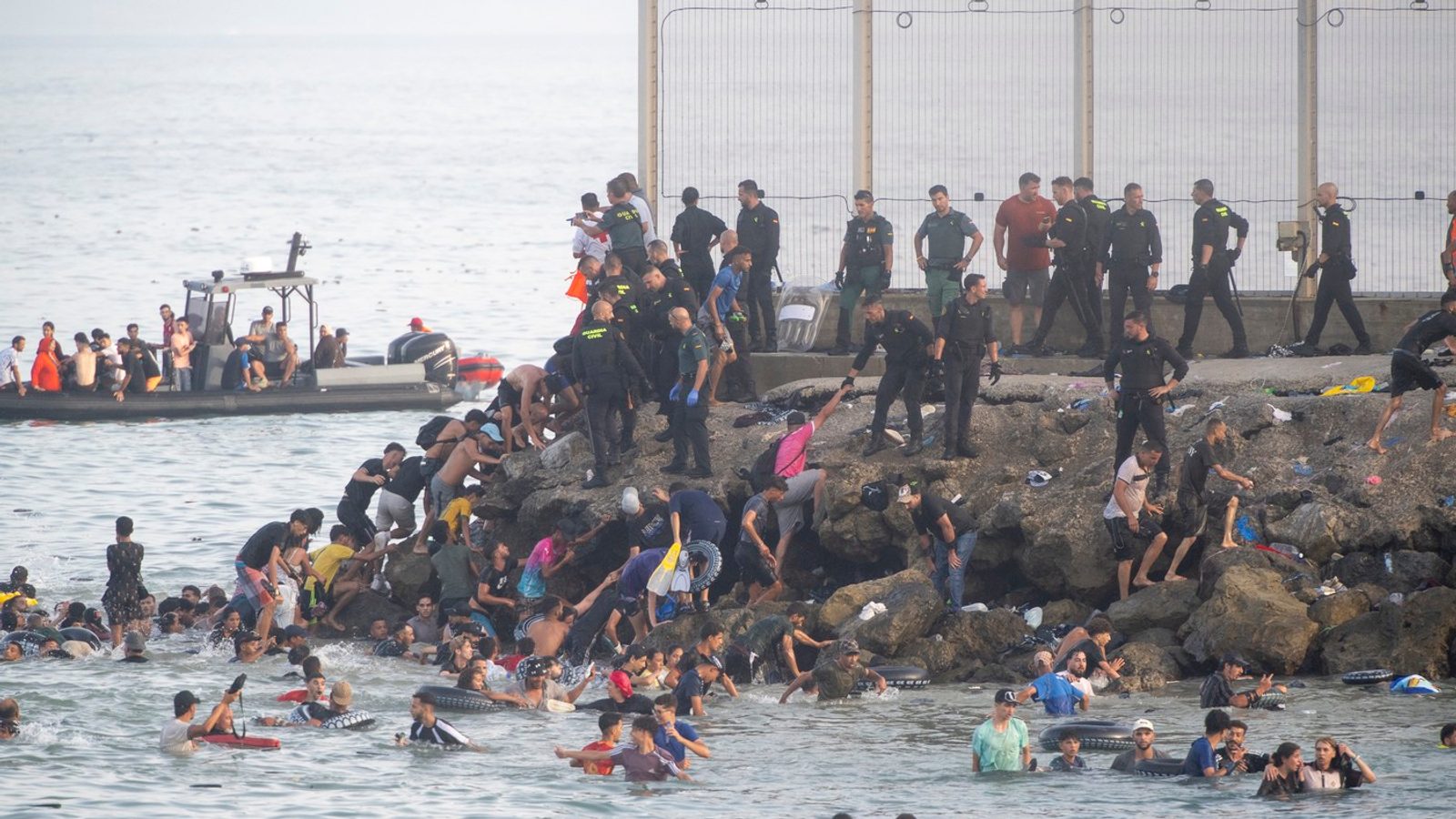
The spot checks started at midnight last night and were announced as a reciprocal response after Rome introduced controls on passengers from Spain on 1 August. Italian authorities defended their decision by pointing to the recent mass entry of roughly 72,000 migrants into the Spanish enclave of Ceuta.
Officials trade sharp statements
Spanish Foreign Minister José Manuel Albares condemned the Italian controls, saying they have produced “unbearable” scenes at Italian airports and called the measure “primarily an attack on the dignity of the Spanish people, but also a move that undermines European unity.”
Italy’s Foreign Minister Antonio Tajani, defending Rome’s action in an interview with La Stampa, said: “We must restore order. We are not against Spain, but it is our duty to protect our own borders.” He added he was worried some of the migrants might hold jihadist views, and described as “incomprehensible and completely unacceptable” Madrid’s reaction.
Tajani also rejected suggestions the measures were merely symbolic given the small likelihood that someone arriving in Ceuta would reach Italy, noting instead: “Where do they go after arriving in Spain? Italy, as a destination, is the most exposed country. We are not Germany or Norway.” He said reports of fresh online calls for mass crossings planned for mid-August influenced the decision, and added: “We hope we will be able to lift the suspension soon, once the danger has passed.”
The dispute has become a wider political fight over migration policy. Tajani criticised Spain’s recent regularisation programme for foreign workers, calling it “a negative message that jeopardises the security of everyone,” while the EU has previously dismissed any link between the Ceuta incidents and Spain’s regularisation measures. Spain’s Prime Minister Pedro Sánchez has defended the need for foreign labour to support growth and halt demographic decline, while Italy’s Prime Minister Giorgia Meloni has sought to emphasise tougher stances.
Opposition figures in Italy accused Meloni of creating an unnecessary diplomatic crisis. Nicola Fratoianni, leader of the Alliance of Greens and the Left, said: “The cynical propaganda of Giorgia Meloni’s government has produced the predictable outcome: a boomerang that Italians will pay for dearly.”
European Migration Commissioner Magnus Brunner said on social media that he has been in touch with the interior ministers of both countries. “Both confirmed that internal border controls are temporary,” he wrote. “Spanish authorities reassured us that the events in Ceuta will not have a lasting effect on the Schengen area. Therefore there are signals from Italy that the controls could be lifted soon.”
Travel between Spain and Italy is a busy corridor: more than eight million people used the route last year, and passengers on flights and ferries are already reporting delays and extra checks.
Photo: Europa Press/ABACA / Abaca Press / Profimedia