More than 50,000 women killed in 2024 — North Macedonia adopts 'Femicide Watch'
Deputy Speaker Vesna Bendevska presented parts of a national response in Skopje while OSCE and UN call for sustained, well‑resourced prevention.

Global figures show a worrying rise in gender‑based lethal violence: more than 50,000 women and girls in 2024 were killed by an intimate partner or a family member, representing around 60 percent of all killings of women and girls, according to OSCE and United Nations data.
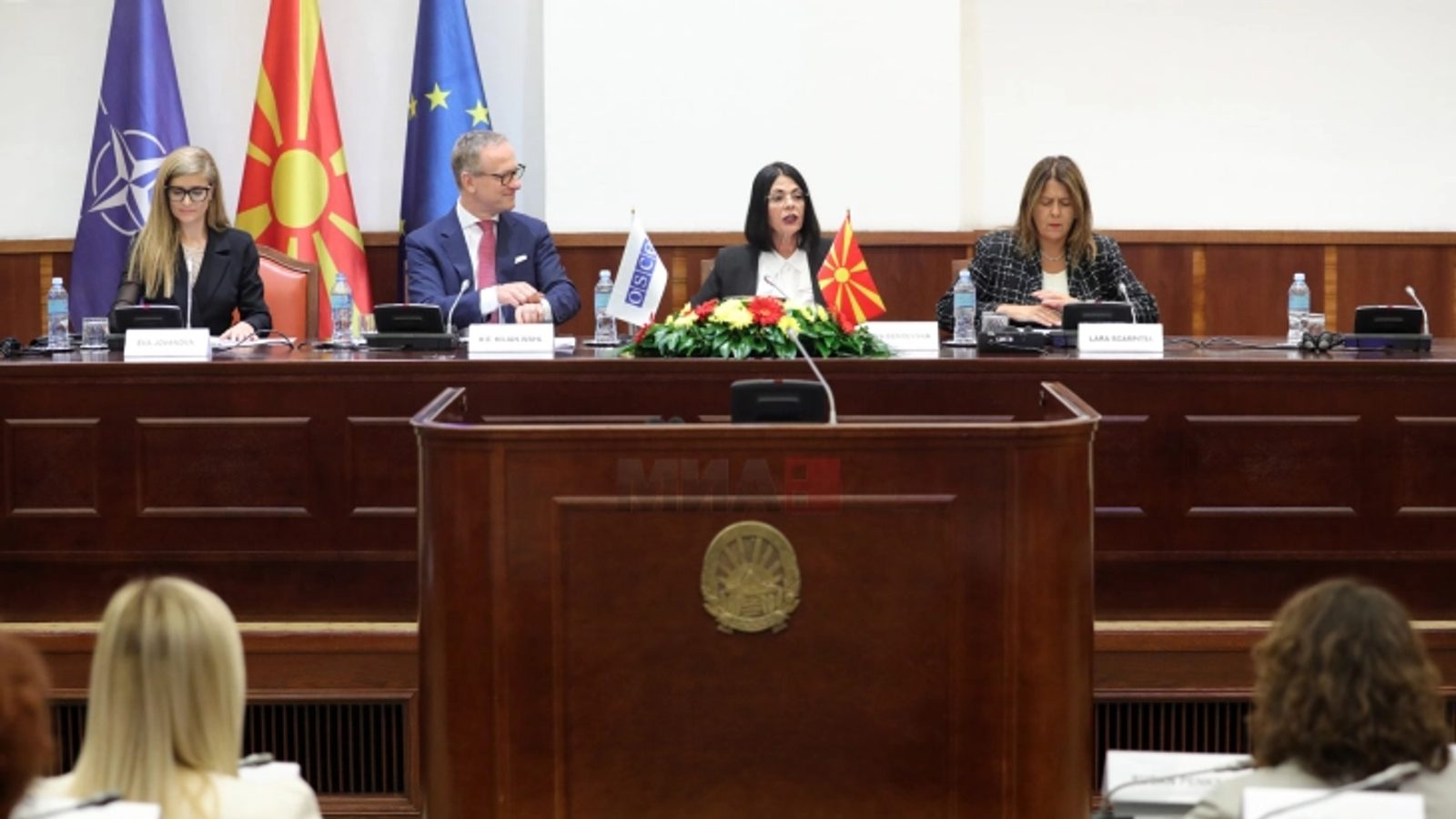
North Macedonia has begun to fold new prevention tools into its national response. At a regional conference for Southeast Europe held in the Assembly of North Macedonia, Deputy Speaker Vesna Bendevska set out parts of the state’s approach and said the country is implementing the "Femicide Watch" system as part of broader measures to prevent and counter gender‑based violence.
Calls for system‑wide, sustained action
Representatives of the OSCE stressed the seriousness of the problem and warned that, despite measures already in place, tackling femicide requires continuous and systemic effort. They said national actions must be coupled with strengthened institutional responses and preventive work.
Lara Scarpita, Senior Adviser on Gender Issues and Head of the Gender Programme at the OSCE Secretariat, argued that legal frameworks alone are not enough. She highlighted the need for additional resources for victim support services, ongoing training for institutions, and greater investment in prevention, and described North Macedonia as one of the positive examples in the region for activity aimed at preventing violence against women.
The discussion in Skopje gained added urgency from a recent criminal case in Kumanovo, where a man is suspected of serially killing four women and of two additional attempted murders of women; court proceedings are under way. The case has been cited by officials and advocates as evidence that faster, better‑resourced prevention and support systems are needed.
Authorities in North Macedonia say they will continue to develop institutional mechanisms and cooperate with international partners to strengthen prevention, improve victim support and close gaps identified by the OSCE and the United Nations.
Photo: press material from the event