Record-low Danube forces power cuts and reactor outages in Austria, Hungary and Romania
Low Danube flows have reduced hydropower output and forced reactor outages; the river at Paks is 121 centimetres below the previous record low.
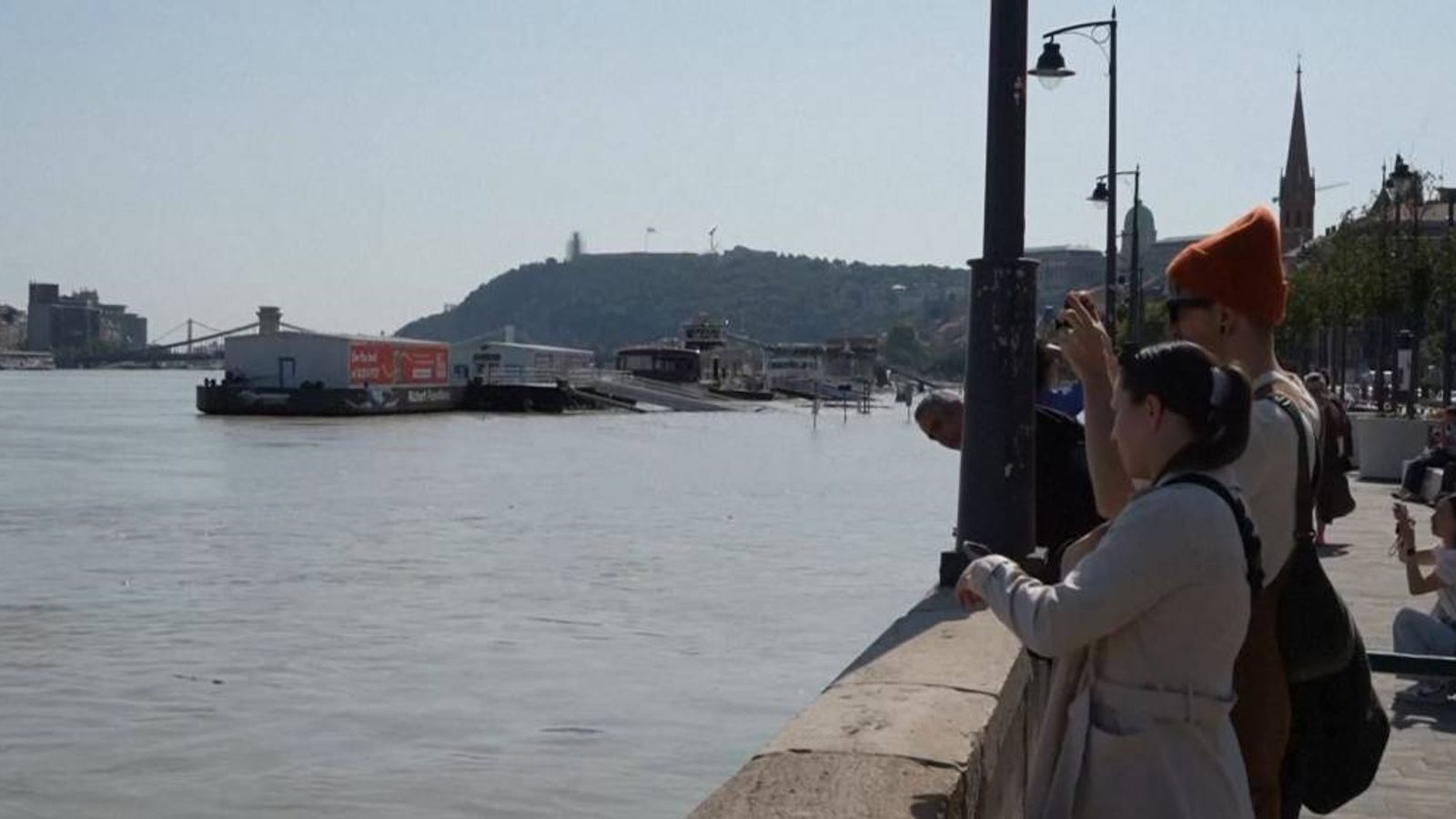
Record-low water levels on the Danube have forced reductions in electricity production and temporary shutdowns at power plants across Austria, Hungary and Romania. Hydropower facilities and some nuclear units have been affected as the river falls to unusually low levels.
Hungarian water management authorities report that the Danube at the town of Paks is 121 centimetres lower than the previously recorded minimum. The low flow has already led to the shutdown of one of the four reactors at the Paks nuclear power plant, and officials have warned that, if conditions persist, additional reactors may need to be taken offline.
In Romania the river’s level has fallen to only one third of the July average. That decline prompted the suspension of the two operational reactors at the Cernavoda nuclear plant, which supplies about one fifth of the country’s electricity.
Austria’s energy company Verbund points to a lack of precipitation and a shrinking contribution from snowmelt and glacial runoff as the main causes of the unusually low Danube levels. As a result, several hydropower stations have reduced output or temporarily halted operations.
Navigation and safety incidents
The low water has also disrupted river traffic. Near the Romanian port of Cetate a tourist vessel carrying nearly 240 passengers ran aground on a sandbank. All passengers were safely evacuated and authorities are working to clear and restore the navigation channel.
Energy operators and governments across the Danube basin are monitoring the situation closely because prolonged low flows can limit generation capacity and complicate fuel and electricity balances. Officials have warned that further drops in river levels would increase the risk of additional production cuts and wider impacts on river transport.
Photo: press material from the event