Low Danube reveals mammoth bones near Ryahovo
Bones found near Ryahovo include a lower jaw, two tusks and possibly a rib; museum teams will remove and analyze the remains.

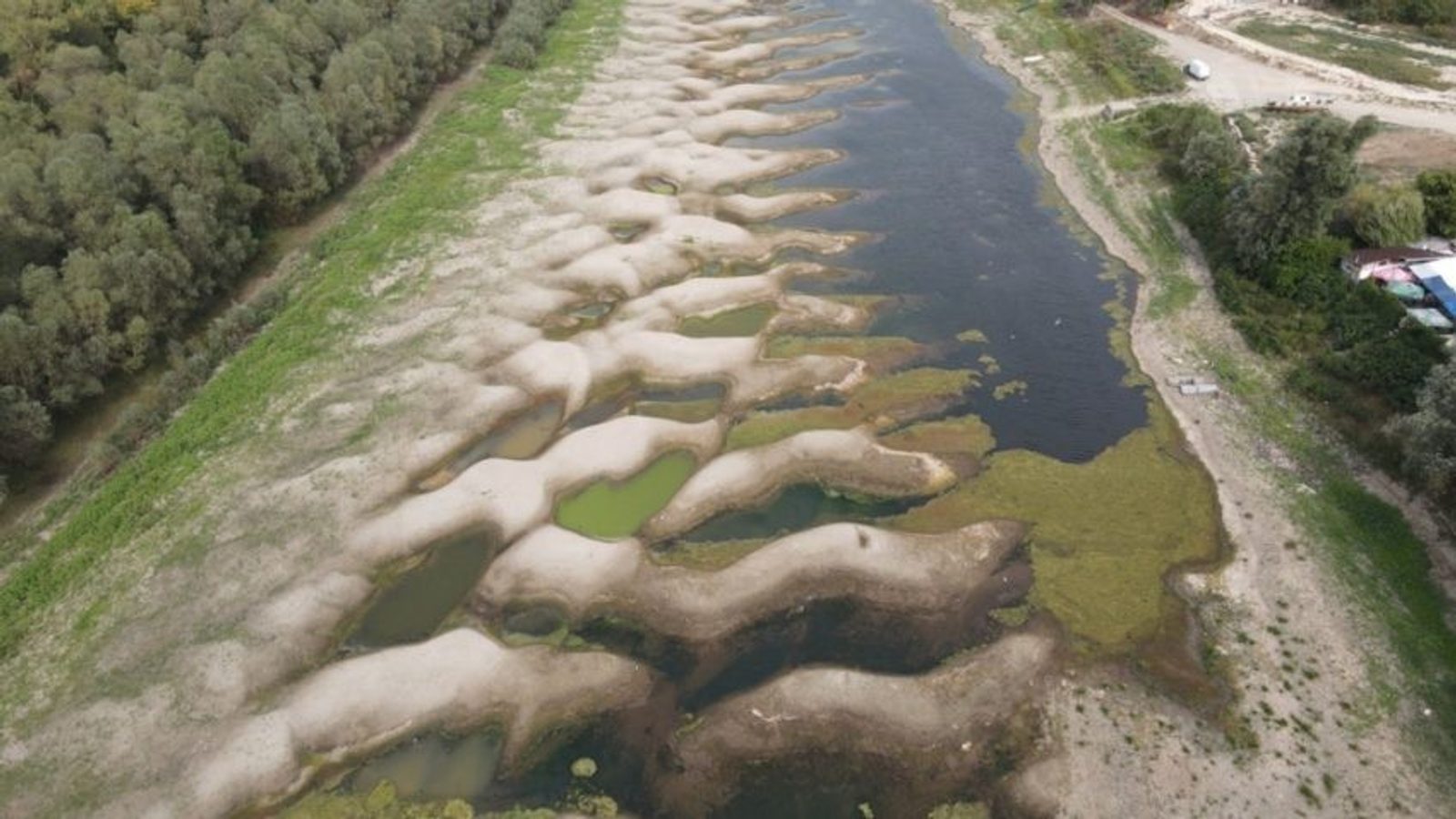
Record-low water levels in the Danube have exposed ancient animal remains on the Bulgarian bank of the river near the village of Ryahovo, where locals discovered bones that experts now identify as parts of a mammoth.
Local find prompts museum response
According to museum officials in Ruse, the remains were first spotted by people living close to the river, who alerted specialists from the Ecomuseum in Ruse. Museum staff then inspected the site and began a preliminary assessment of the finds.
Experts report that the recovered elements include a lower jaw, two tusks and what is likely a single rib. The bones were concentrated in the same spot rather than scattered along the bank, a circumstance that has led researchers to suspect the animal died on site rather than being carried there by river currents.
Nikolay Nenov, director of the Regional Historical Museum in Ruse, said: "Tomorrow we will organize their removal and transfer to the museum. Then we will have more information about the species of the mammoth and about what exactly the discovered remains represent." He added that initial field impressions point away from the idea that the river transported the bones to that location.
After transfer to the museum the bones will be conserved and subjected to detailed analysis to determine the mammoth species and whether the pieces belong to a single individual. "I would not call this a sensation, but every discovery of such ancient remains is extremely important for science," Nenov said.
The exposure of prehistoric material coincides with an unusually low Danube level this summer, attributed by observers to prolonged heat waves and drought affecting rivers across Europe.
Photo: Profimedia