Audit finds Macedonian Railways AD – Transport running an ageing fleet and large operating losses
State Audit Office: most locomotives and many freight wagons are out of service; 2024 operating loss was 331.8 million denars.
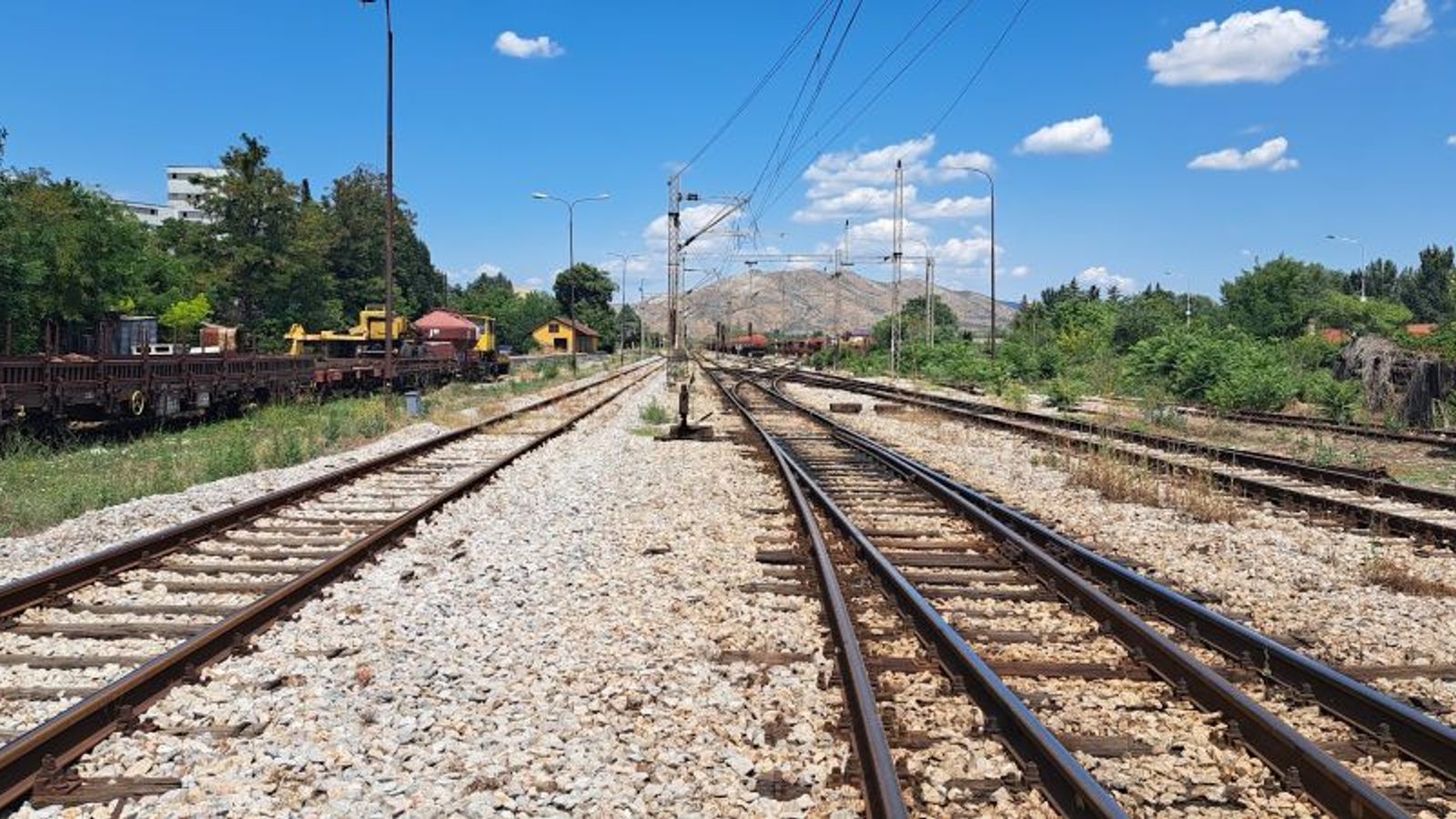
An audit of Macedonian Railways AD – Transport for 2024 found a deeply aged rolling stock and widespread operational weaknesses, with most locomotives and passenger sets out of service and large parts of the freight fleet lacking valid inspections.
Key findings from the 2024 audit
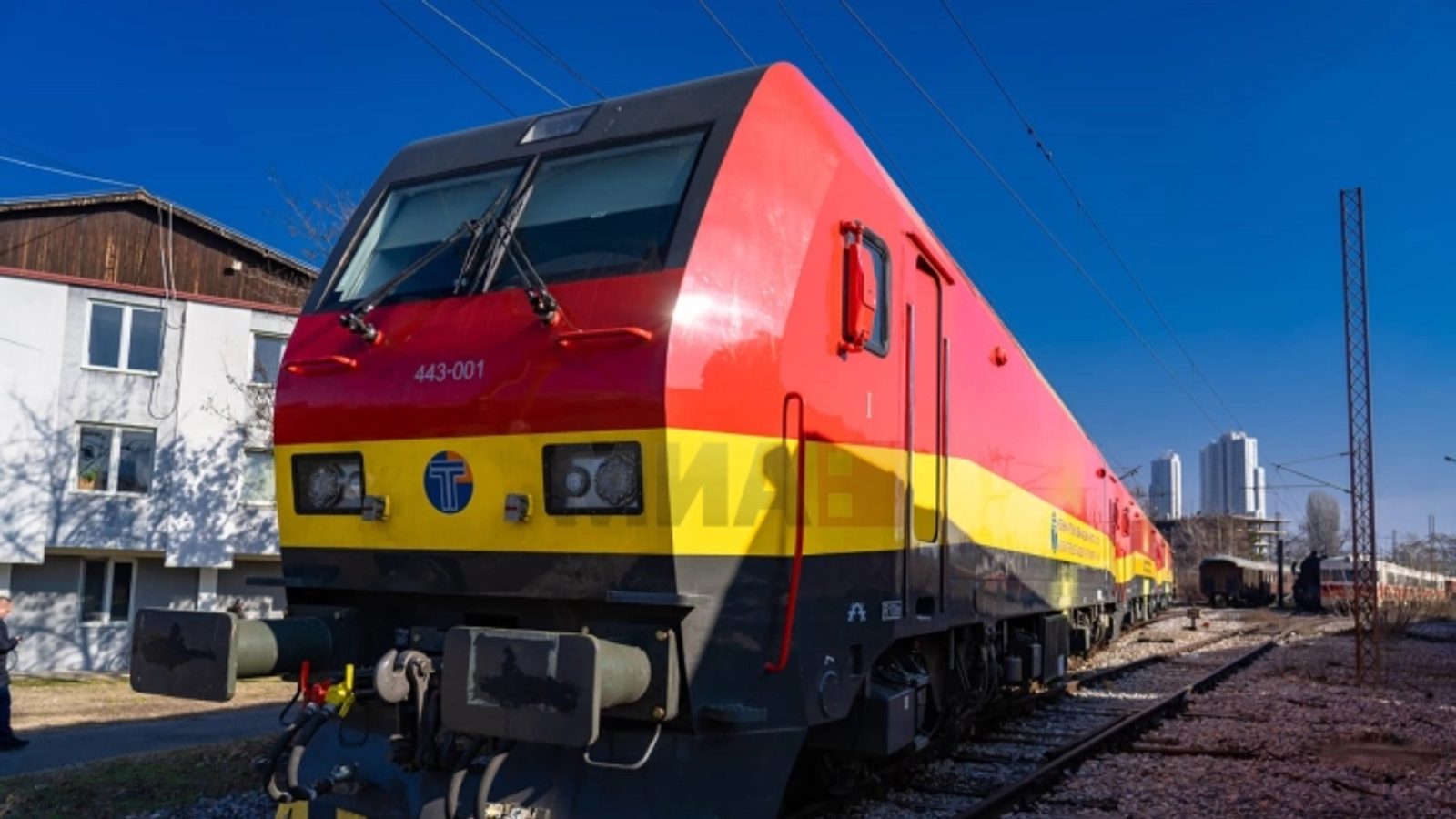
The company operated 62 locomotives in 2024, but only nine were in service; of 16 passenger trainsets five were operational, and just two of 47 passenger cars were in regular service. Overall the rolling stock is described as roughly 40 years old.
Out of 1,382 freight wagons, only 378 held valid inspection certificates and were fit for traffic, while 1,004 wagons had expired inspections and were out of service. The audit notes that inspection frequency depends on wagon type but in no case exceeds six years between inspections.
The audit recalls that under an EBRD loan in 2015 the company acquired four new three‑car diesel multiple units and two three‑car electric multiple units from China for passenger service, plus 150 new freight wagons (75 flat wagons and 75 open wagons).
On the financial side, Macedonian Railways AD – Transport reported an operating loss of 331.8 million denars for 2024. After carrying forward earlier deficits, the total accumulated loss for 2024 reached the equivalent of 109 million euros.
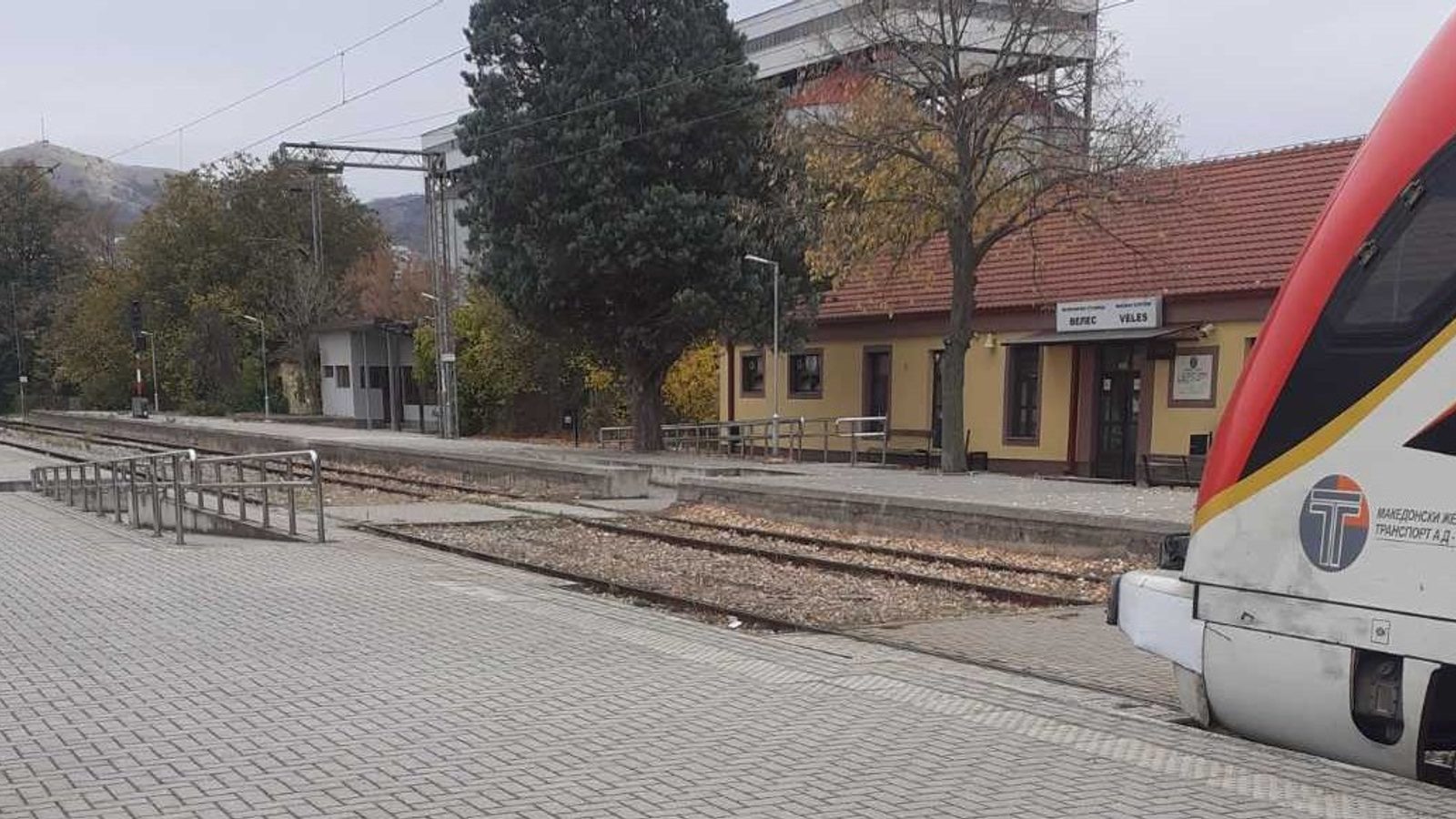
The report states that during the audited year there was no passenger or freight traffic at the stations in Gostivar, Tetovo, Kocani, Kichevo and Shtip. Despite the lack of traffic, 20 employees were assigned to traffic‑related posts at those stations (station chiefs, cashiers and operational assistants) and received nearly 14 million denars in gross salaries; they also received monthly supplements for weekend, holiday and quality work.
ICT and logistics weaknesses were also highlighted: information systems and server hardware are from an older generation, business applications run on unsupported platforms and there are no maintenance or technical support contracts with authorized suppliers. The company’s staff list foresees 40 IT positions, but only eight persons were employed in IT — four under employment contracts — while others engaged under authorship contracts were former company employees.
The auditors further found fuel refuelling into unregistered vehicles and cases of fuelling vehicles not owned by the company. They also flagged excessive water consumption for administrative and service activities, with water bills amounting to 5.5 million denars in 2024.
After receiving the audit findings the company’s Board of Directors acknowledged the problems and concluded that "a significant part of the identified conditions represent long-standing systemic weaknesses, the overcoming of which requires continuous activities."
Photo: SDK.MK)