Electricity likely to rise 2–3% from Jan 1, RKE chief Aco Ristov says
RKE head Aco Ristov expects a modest household electricity increase from January 1 and says MEPSO’s big transmission hike will be refused.
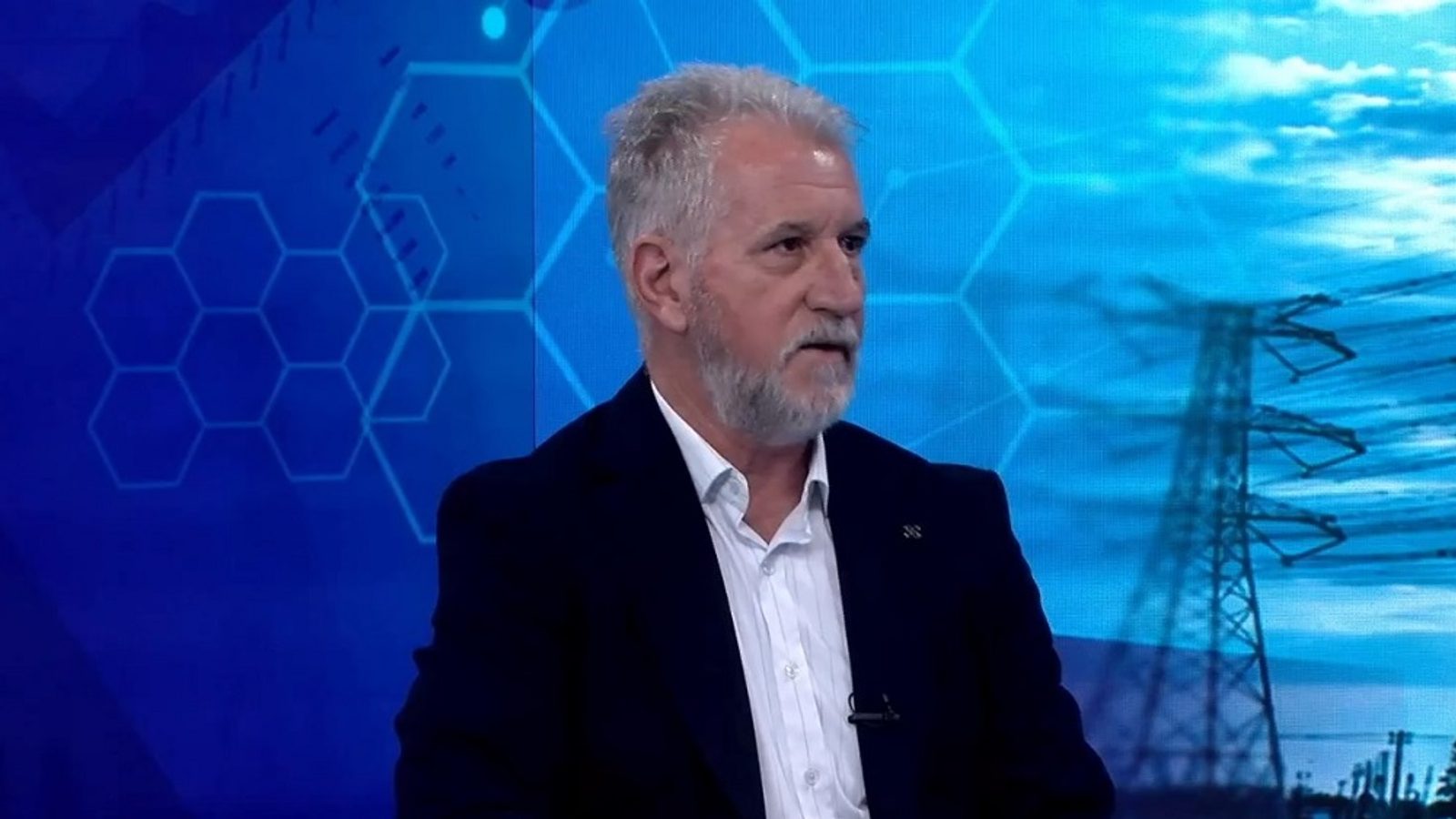
Aco Ristov, president of the Regulatory Commission for Energy (RKE), said the electricity price for households will most likely rise by 2–3 percent from January 1. He told a television interview that while the government has signalled there will be no increase after the New Year, RKE expects a modest adjustment and is preparing tariff models to distribute any extra cost more fairly among customers.
Companies’ requests under review, decisions due before year-end
Ristov said energy companies have already submitted their financial and technical requests to RKE and those filings are under analysis. He noted that final decisions on regulated energy tariffs must be adopted by the end of the year and take effect on January 1.
Asked why companies seek higher prices, Ristov pointed to global and local energy market movements, rising fuel costs and growing production expenses. He stressed that submission of requests does not mean full approval: the regulator must strike a compromise between company demands and citizens’ interests. "Everyone naturally requests increases because of what is happening in the energy sector in the world and here. However, from wishes to reality we will see what the Regulator will decide, because we are here to make a compromise between the requests and what means the interest of the citizens," he said.
One significant cost component is transmission through MEPSO. The transmission operator asked to raise its tariff share by as much as 97 percent, a demand RKE says it will reject. "What you talk about — that energy flow may decrease in 2027 — may be true, but that is based only on transit services that MEPSO provides for transmission through our territory, not for the total consumption used in the Republic. For that reason we see absolutely no grounds to increase MEPSO's transmission price, so I can tell you now — there will be no increase for MEPSO," Ristov said.
Ristov outlined measures to limit pressure on household bills. Distribution losses in the grid run at about 11–12 percent. The government covers 70 percent of the electricity needed to cover those losses through ESM at agreed prices; the remaining 30 percent must be procured by distributors on the market. A pilot auction held last week produced a price of €380 per megawatt-hour and was cancelled for that reason.
As an alternative, the government proposed that EVN could purchase electricity from domestic renewables that are part of state production to cover distribution losses, aiming to keep procurement costs acceptable and avoid additional pressure on household bills. Ristov said 70 percent of the energy ESM supplies to the universal supplier is contracted at €65/MWh and the remaining 30 percent at about €76/MWh, which supports his 2–3 percent estimate for a likely household price increase.
Ristov also said RKE is preparing changes to the network fee so low-consumption households — especially those in energy poverty — would pay less, while large consumers (3,000–5,000 kWh) would pay more. "These days we are modelling a reworked network fee: a fixed part that would be perhaps 100 percent lower than the current one, and the rest connected to consumption. It is not fair that everyone pays the same flat fee when we do not all use the network the same," he said.
On district heating, companies requested increases of 45–50 percent, which Ristov called unacceptable; instead he expects heating prices to rise by about 6–8 percent. He also noted that falling oil prices ease some fiscal measures and reiterated support for long-term substitution through electrification and e-mobility as strategic steps to reduce dependence on fossil fuels.
Photo: press material from the event