RKE reviews cheap tariff and considers extending low‑price hours to weekends
The energy regulator says growing photovoltaic output requires new data and may shift or extend low‑price tariff periods; smart meters and a digital platform are planned.
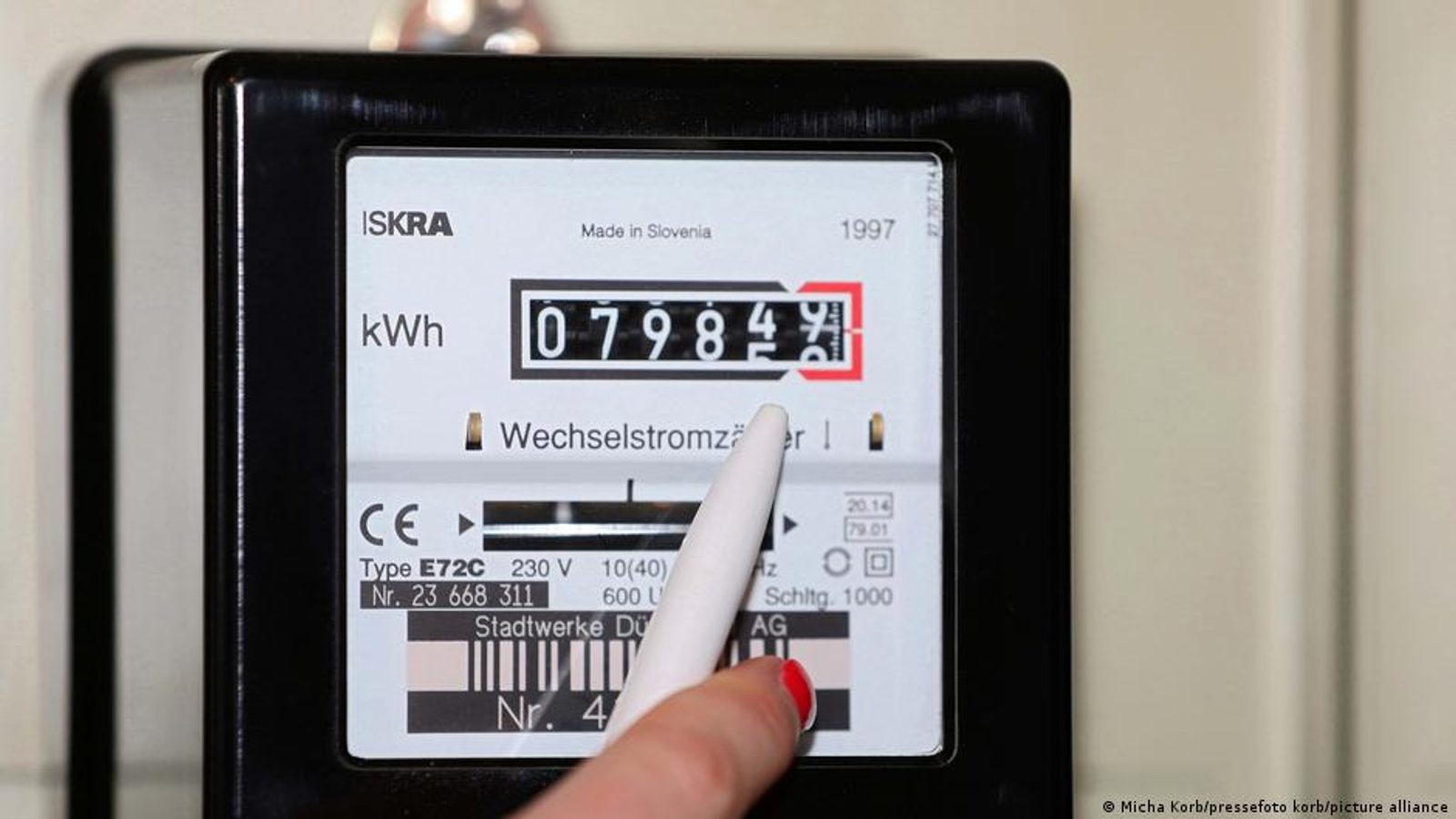
North Macedonia's Energy Regulatory Commission (RKE) is preparing a review of the country's block-tariff system and the so-called cheap electricity tariff, and is considering shifting or extending low‑price hours to periods when solar output is high — including certain weekend hours. The process was announced as RKE gathers data and awaits submissions from energy companies ahead of the next three‑year regulated period. (2 October 2026)
RKE chairman Aco Ristov told the TV programme "Nochno Studio" on 4TV that the current tariff design was created during the energy crisis, when daytime power was the most expensive. Since then, large volumes of photovoltaic generation have changed the market balance and created daytime surpluses.
"We have cheap energy during the day, when there is hyperproduction from the photovoltaics, and at night, when they are not there, electricity can be more expensive," Ristov said.
Near‑real‑time data and smart meters
RKE plans to build a digital platform that will collect production and consumption data from the power system in near‑real time. The regulator says more granular information is needed to analyse hourly imbalances and to design tariffs that reflect changing supply dynamics.
"We do not need daily data. We need 24 hours, every 15 minutes, to have a chart and know what is happening," Ristov told 4TV, describing the desired frequency for measurements and graphs.
Separately, RKE is preparing a report for the Government that would launch procurement and rollout of smart meters nationwide. The agency expects smart meters to help households monitor consumption and prices across different tariff periods and to enable better integration of rooftop solar, batteries and electric vehicles in the longer term.
The left‑wing party Levica has already proposed reforms including an expanded cheap tariff window, a seasonal (summer/winter) multi‑tariff system, additional hourly blocks and a so‑called "solar tariff" that would better match production and demand and lower bills for households. RKE has not yet taken a final decision and will consider energy companies' inputs before setting new tariff periods.
Photo: press material from the event