Russia votes for a new Duma amid war fatigue and rising support for peace talks
Elections on 18–20 September 2026 unfold while surveys show growing anxiety and greater backing for talks with Ukraine.
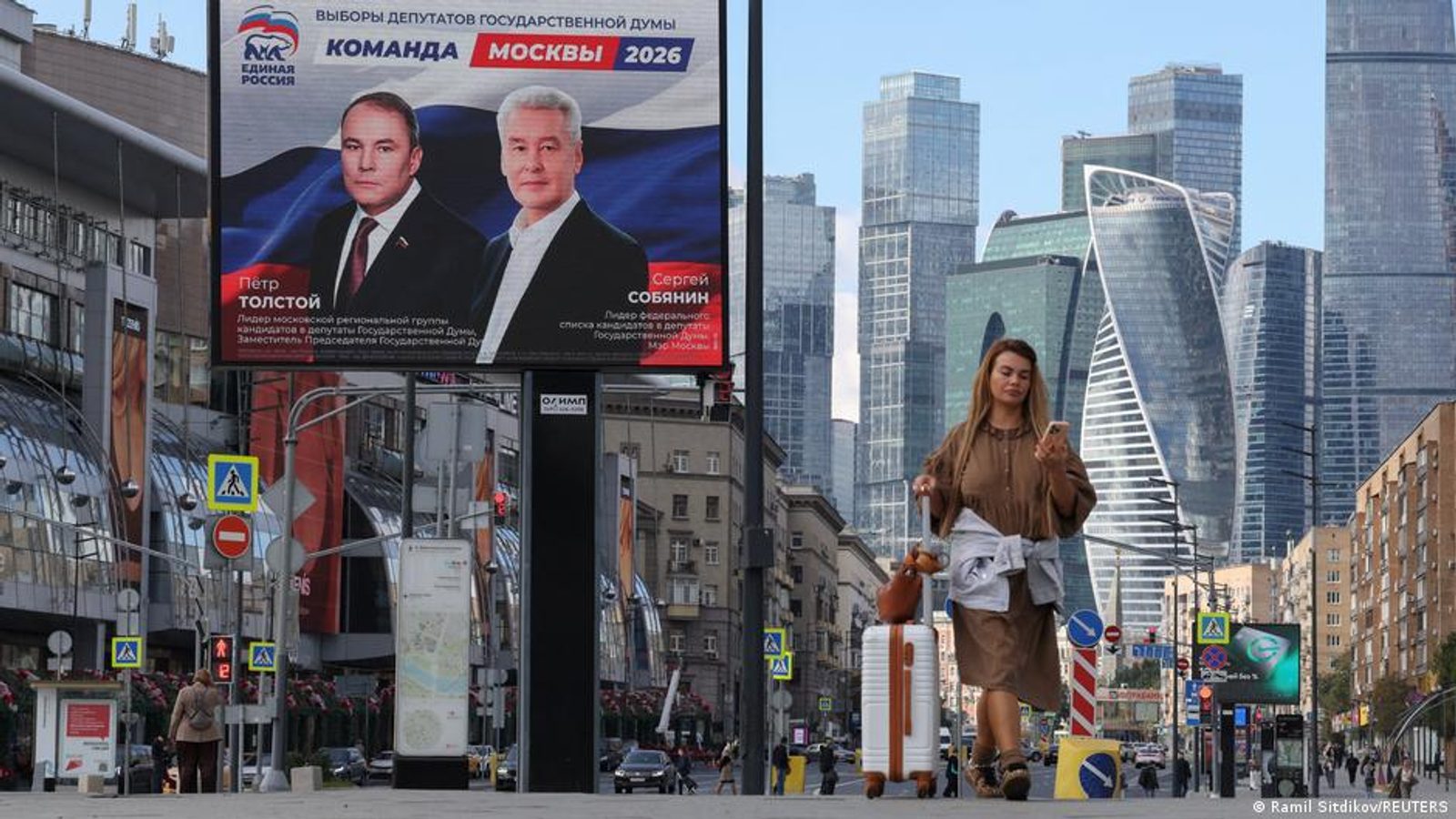
Russians went to the polls from 18 to 20 September 2026 to elect a new State Duma, casting ballots against a backdrop of war-related shortages, drone strikes and rumours of fresh mobilisation that have deepened public anxiety and weariness.
Surveys show that concern is widespread: the state polling agency FOM found almost half of respondents say anxiety is the dominant mood around them, while the independent agency ExtremScan reports that 60 percent of Russians believe the war with Ukraine has had negative effects on their daily lives.
Signs of shifting public sentiment
"Concern and war fatigue stem from increased uncertainty," said Margarita Zavadskaya, a sociologist and senior researcher at the Finnish Institute of International Relations in Helsinki. Price rises, internet restrictions, fuel shortages following Ukrainian strikes on refineries, and persistent rumours about new waves of mobilisation are making it harder for people to plan ahead; some are leaving the country because they fear they could be recruited after the vote.
Elena Koneva, a sociologist and founder of ExtremScan, says many Russians are asking themselves: "How much does this war cost me and my family? And am I prepared to pay that price?" That question, she warns, could become a problem for the Kremlin.
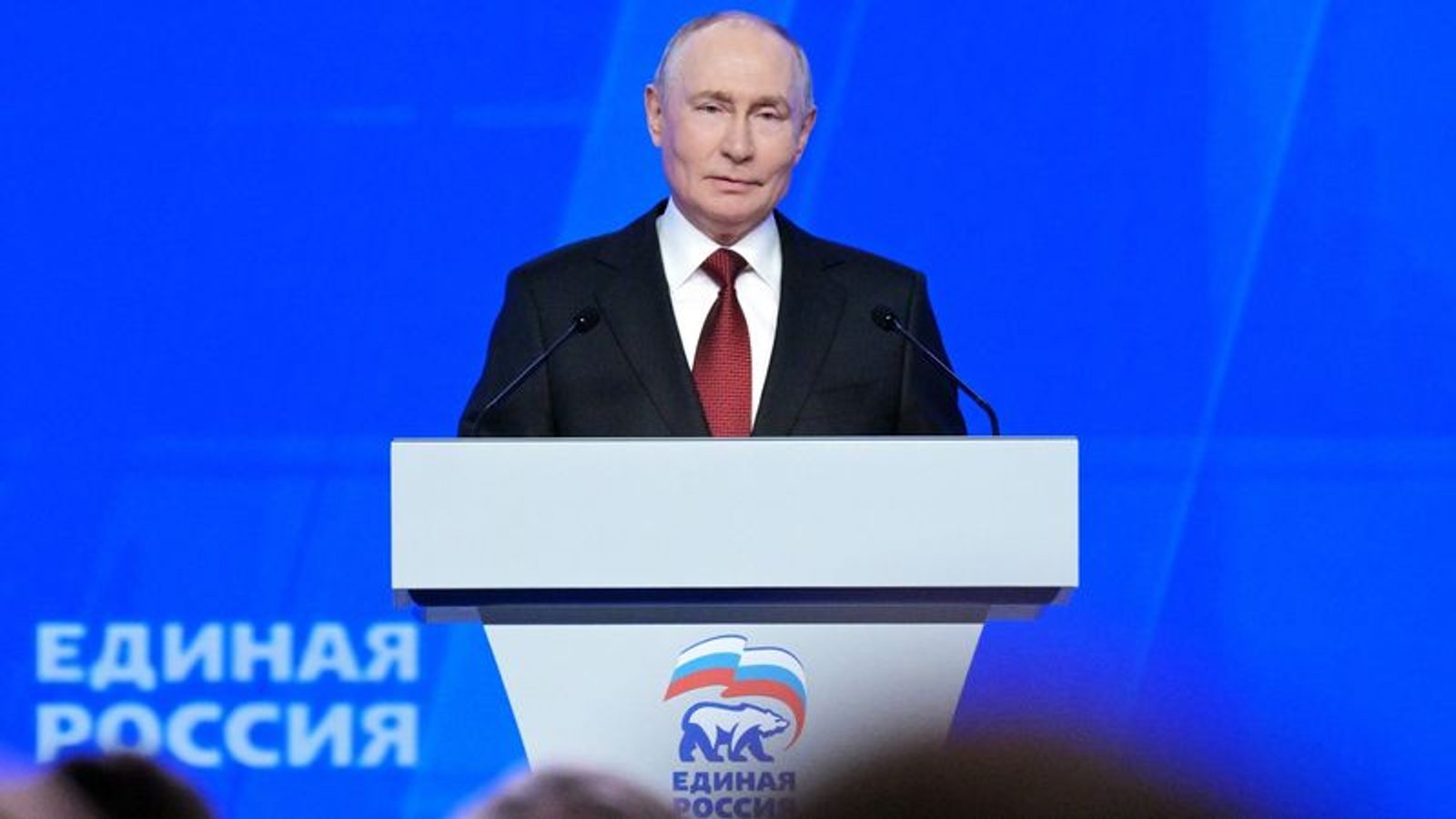
Formally all 450 seats in the Duma are up for grabs, but in practice the Kremlin-led system limits genuine competition. Still, authorities will be watching turnout closely. "The Kremlin is confident it can produce whatever numbers it needs. The question is how high a price it will have to pay for that," Zavadskaya told analysts.
At the same time public support for negotiations with Kyiv appears to be growing. Data from the independent Levada centre shows six in ten Russians back peace talks with Ukraine, and some observers say recent signals about possible talks in October may be intended to calm voters.
One visible political effect of the shift is the rising appeal of Yabloko, the liberal opposition party that openly opposes the war. Although its rating was under five percent in July, ExtremScan estimates that 18 percent of Russians would now vote for Yabloko — a prospect that local courts have blocked by banning the party from this ballot.
With Yabloko excluded, opposition figures have offered competing prescriptions for how anti-war voters should act. Yulia Navalnaya, widow of Alexei Navalny, and exiled politician Maxim Katz urged supporters to cast ballots for any party except United Russia to reduce the ruling party's share. Yabloko instead called on its sympathisers to deliberately spoil their ballots.
Ilja Yashin, an opposition politician in exile, argued neither tactic was decisive and urged people to show up at polling stations at noon on 20 September: "Those queues will be a visible expression of public discontent. There is no need for flags, banners or symbols. Everyone will know that the queues at noon are made up of people who do not want the war to continue," he said.
Informal responses collected by a Russian-language editorial team suggested many readers planned to follow Navalnaya and Katz's advice. One respondent wrote: "The elections have long been turned into a farce and a political spectacle. But I will vote because I want to show that I have a position." Others decided to abstain. "I don't want to give legitimacy to Putin's regime," one person said.
Photo: press material from the event