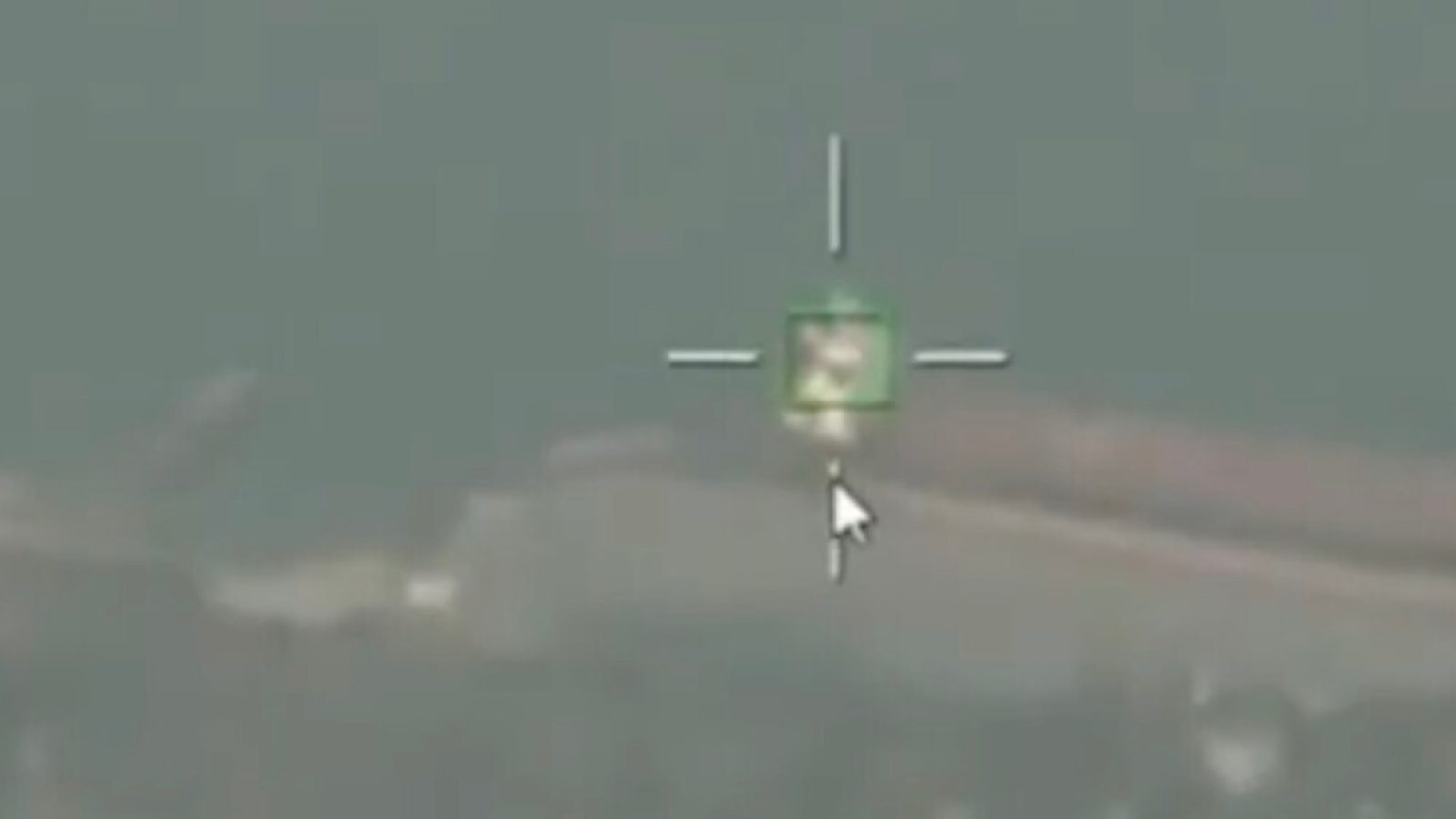
Russia builds covert drone launch network that can reach NATO territory
Satellite imagery and leaked documents show new Russian launch rails and converted hubs that analysts say can put advanced combat drones within reach of NATO territory.
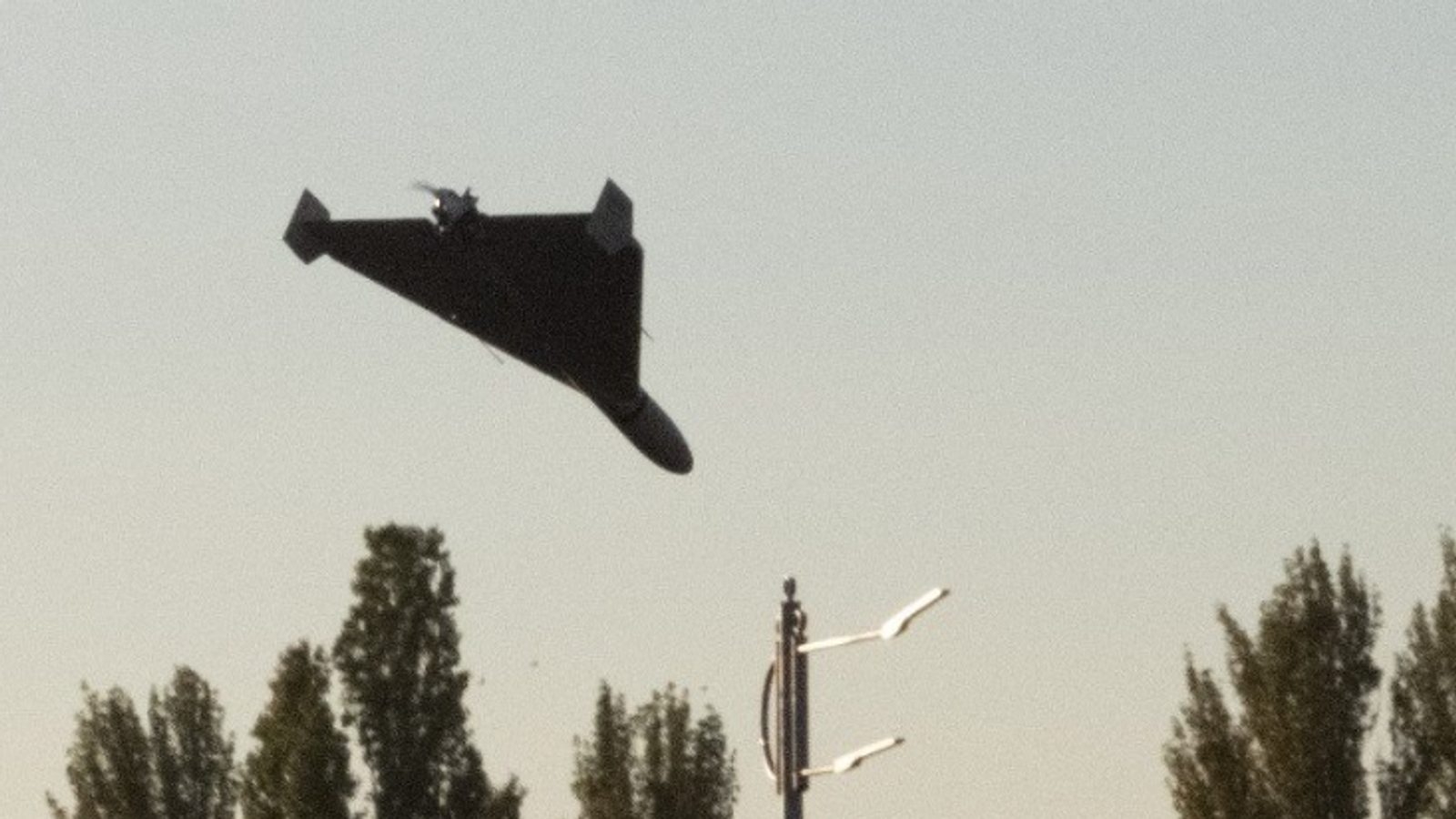
Western analysts and satellite imagery analysts found that Russia has constructed a network of covert launch sites and rails from which long‑range combat drones can be deployed, placing parts of NATO territory within reach, according to the investigation.
Investigators identified ten new Russian drone hubs equipped with fresh launch ramps and at least 59 newly installed launch rails along the borders with Belarus and Ukraine. Around 20 of those rails are extended models, a detail analysts say signals capability to launch heavier, longer‑range fixed‑wing loitering munitions.
Expanded production and new drone variants
Open‑source imagery and leaked documents indicate Moscow has accelerated development of heavier, Iranian‑derived designs and fielded updated variants—labelled Geran‑4 and Geran‑5—which Ukrainian government papers show can carry roughly 90 kilograms of explosives and may reach targets at nearly 1,000 kilometres. One of the identified sites appears to have space to store more than 1,000 drones at once.
Analysts who examined the imagery said some of the new launch sites are conversions of former military bases or civilian airfields, while others are new facilities built in rural areas. The infrastructure is fed by a network of factories, including the Alabuga special economic zone, a production complex reported to turn out about 6,000 units a year.
“The Kremlin has substantially expanded its drone network in an attempt to attack Ukraine and place NATO states under the threat of such strikes,” said Mike Monik, founder and CEO of DroneSec, who reviewed satellite data. He added that the combination of more launch locations and drones that are harder to intercept increases the total number Russia can sustain in offensive operations.
A NATO spokesperson stressed the alliance’s posture. "The Alliance is prepared to defend every inch of allied territory," the official said, adding that NATO will continue "to strengthen its readiness to deter and defend against any threat, including from drones." Western and U.S. intelligence officials warned the deployments increase the risk of armed provocations or strikes against neighbouring NATO members in a future escalation, though there is no public indication Moscow plans a specific attack.
Photo: press material from the event