US bans imports of mobile humanoid robots and solar-system inverters
The FCC restricts imports of autonomous mobile robots and certain inverters, citing security risks and the potential for espionage.
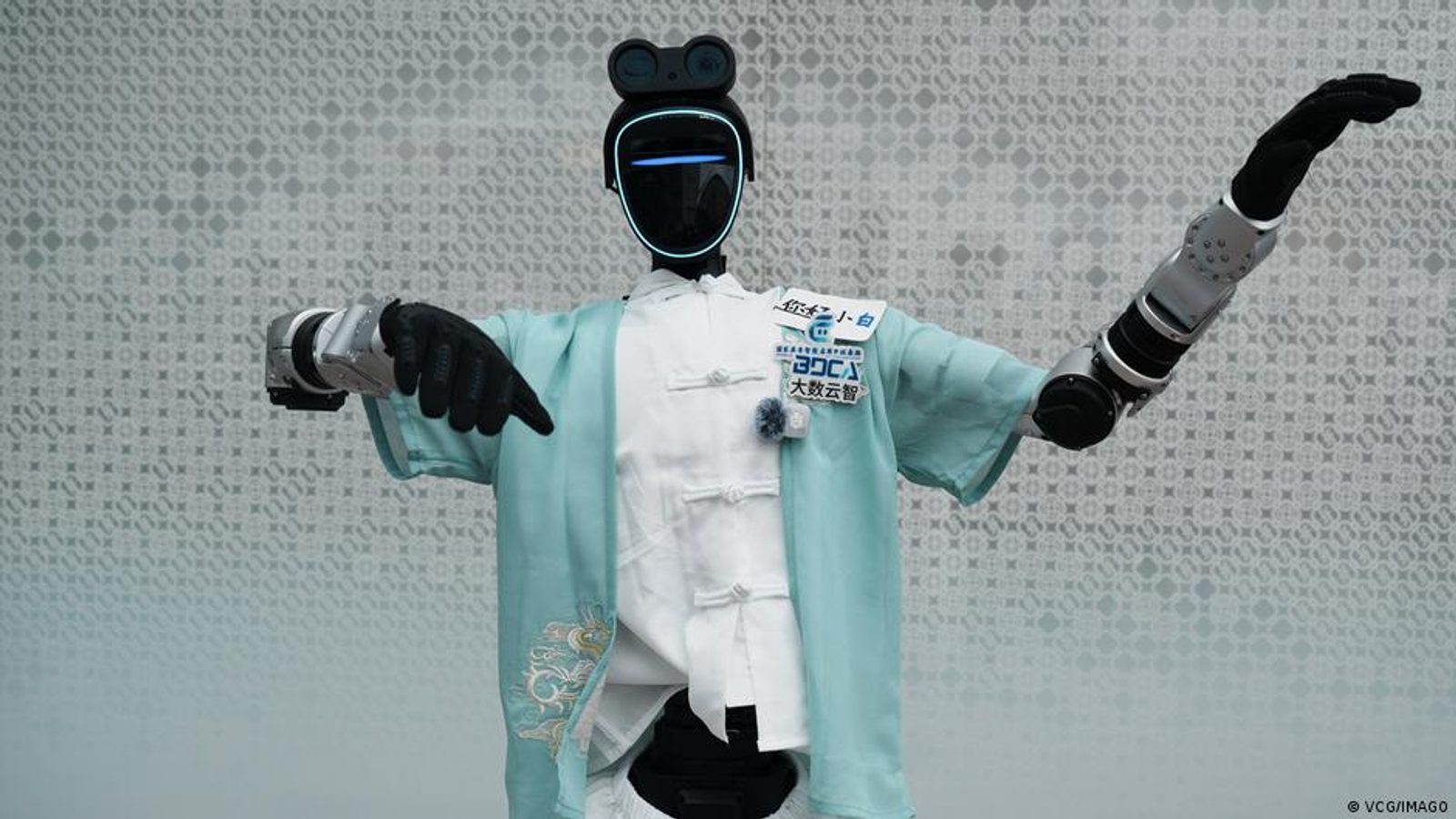
July 29, 2026 — With a new measure, the United States has banned the import of foreign mobile robots that can move autonomously unless they have a specific authorization to enter the U.S. market.
The decision was announced by the Federal Communications Commission (FCC). Under the new rules, future models of bipedal and quadrupedal robots and other autonomous mobile platforms will be allowed to be imported only with explicit approval — for example from the Ministry of Defense. Models that already have FCC approval will still be allowed to be imported.
What the ban specifically covers
The U.S. government defines mobile robots as technical devices weighing more than two kilograms that can move autonomously, avoid obstacles and are equipped with sensors, network connectivity and autonomous navigation software. Stationary or industrial robots used in manufacturing are explicitly exempted from the measure.
The FCC justified the decision by citing the potential misuse of the network capabilities of modern machines — for espionage, surveillance of citizens or remote control. The measure will mostly affect Chinese manufacturers, who dominate the market: analysts estimate that around 85 percent of the humanoid robots offered on the global market come from the People’s Republic of China.
In addition to the robots, the FCC also introduced a ban on the import of inverters for solar systems — devices that convert the direct current (DC) voltage produced by solar panels into alternating current (AC) for the grid. The Commission warned that grid-connected inverters could be remotely disabled or used to collect data.
The Chinese government reacted critically. Mao Ning, the spokeswoman for the Chinese Ministry of Foreign Affairs, said: "Beijing opposes the expansion of the concept of national security for the purpose of suppressing Chinese companies." She added that "protectionism will not help the competitiveness of the American economy and will harm the interests of American consumers" and that "China will take necessary measures to protect the interests of its companies."
Meanwhile, American firms and startups, including Figure AI and iRobot, and tech players like Tesla — which announced it will begin production this year of the robot Optimus — are part of the race to develop this technology. Tesla CEO Elon Musk said of Optimus: "by far the greatest product of all time."
Photo: press material from the event