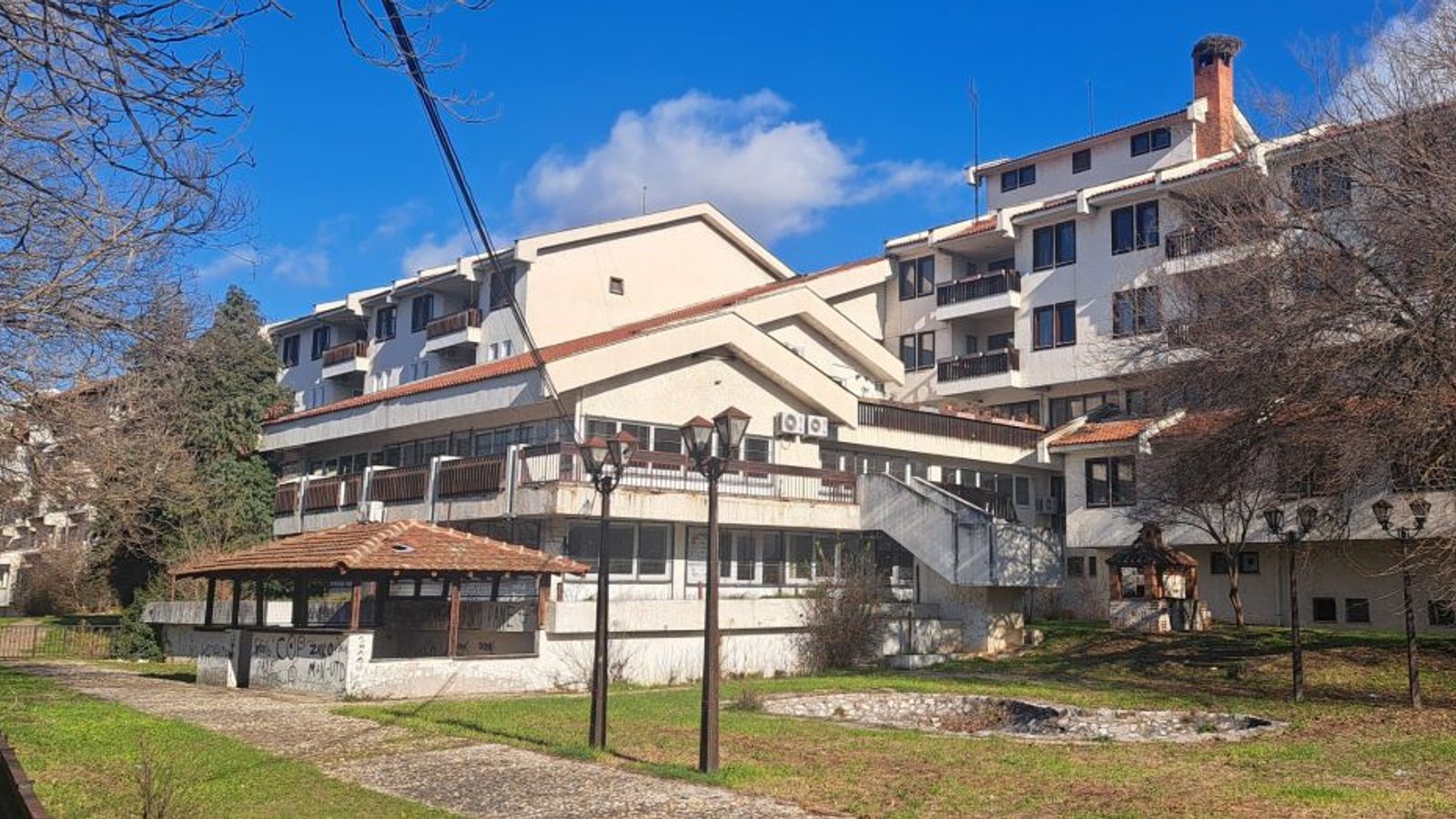
Sahara dust caused spike in PM10 in Veles and across North Macedonia
Hourly PM10 in Veles reached 465 mg/m³ on August 29 amid a Sahara dust plume that raised pollution across several cities.
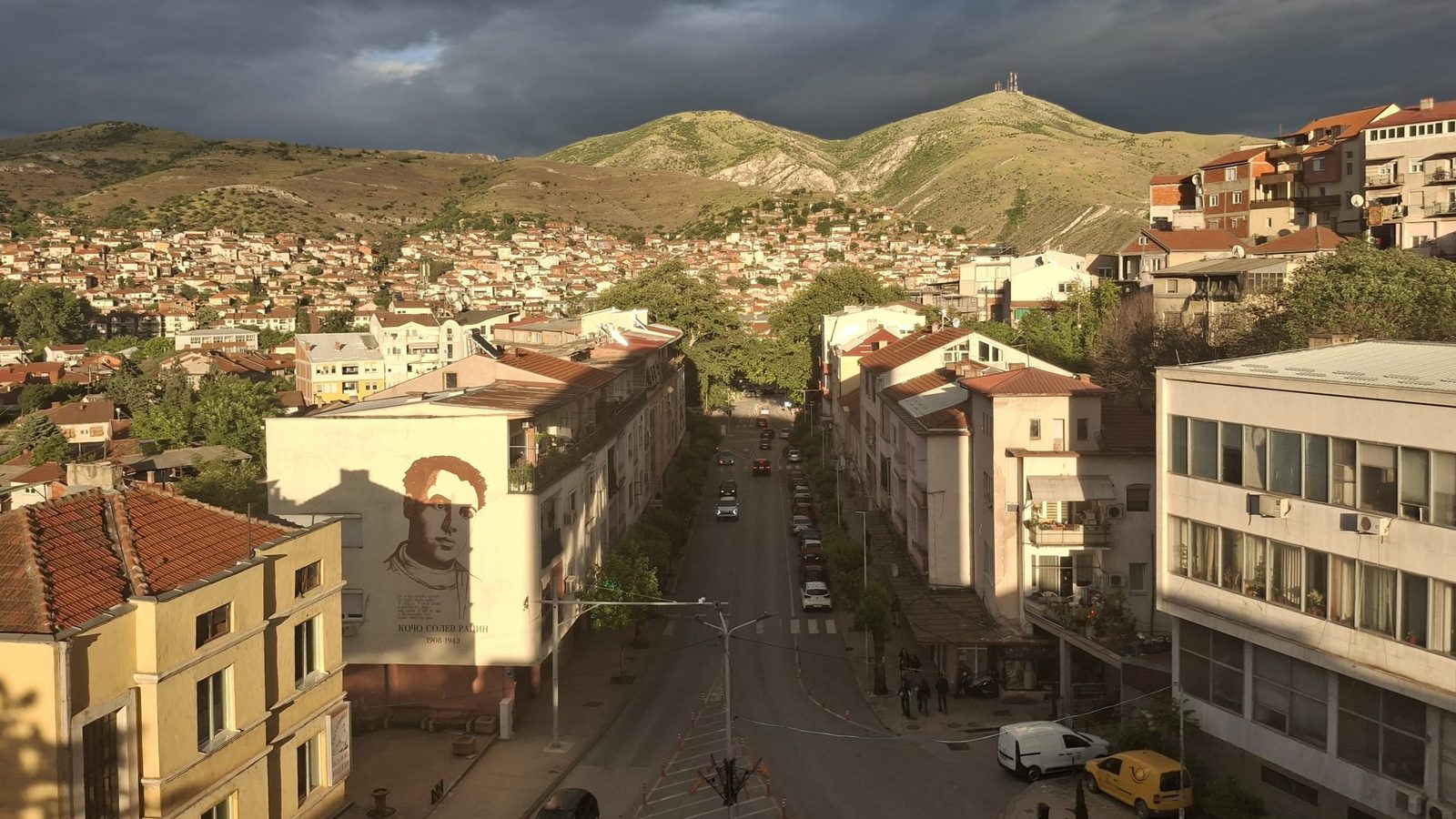
On the morning of August 29, air-quality monitors in Veles registered an extraordinary hourly concentration of PM10 particles: 465 mg/m³ at 05:00. Later that same day the Ministry of Environment instruments recorded further high hourly values of 329 mg/m³ and 198 mg/m³ at 11:00. The measured 24‑hour average for Veles that day was 113 mg/m³ — a very high figure for the summer season.
Measurements from other locations — Ohrid, Shtip and Kavadarci — also showed values above the legal limit of 50 mg/m³, indicating the event was not isolated to Veles but affected multiple parts of North Macedonia.
Ecologist Igor Smilev attributed the spike to a transboundary dust event: "The period from 25 to 30 August North Macedonia was under an onslaught of Sahara dust. That caused not only in Veles, but also in other cities an increase in air pollution with PM10 particles. In Veles that was the case on Saturday morning and late morning. The particles from the Sahara dust polluted our air, there is no other explanation," he said.
Meteorological assessments place the Sahara dust layer over Veles and above North Macedonia at altitudes between 3,000 and 5,000 metres, where long‑range transport can carry fine mineral particles across the continent.
Ozone and summer heat
High temperatures at the end of August also contributed to elevated ground‑level ozone. On August 23, Veles recorded a 24‑hour ozone concentration of 100 mg/m³. Unlike the protective ozone high in the stratosphere, tropospheric (ground‑level) ozone is a toxic gas formed by chemical reactions between vehicle and industrial emissions — nitrogen oxides and volatile organic compounds — under strong sunlight and heat. Its concentrations peak on hot summer days.
Breathing air with high ozone concentrations can cause serious respiratory problems, reduce lung capacity and worsen chronic illnesses, public‑health experts warn.
Photo: SDK.MK)