SecuriMeter 2026: 26.1% of North Macedonians say they are considering emigration
Young people are the most prepared to leave; economic worries and low institutional trust accompany a relatively high sense of safety.
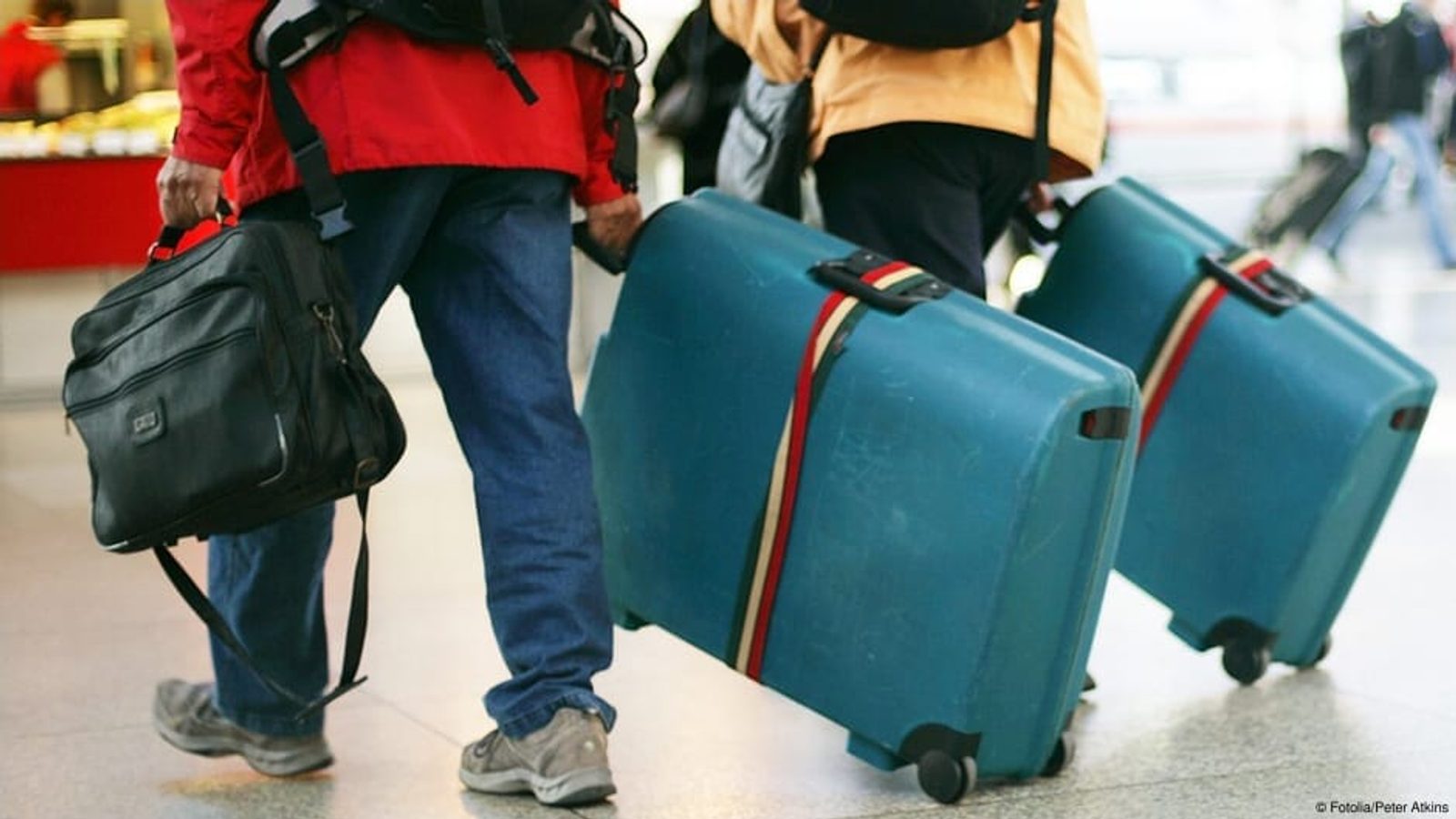
More than one in four adults in North Macedonia are contemplating leaving the country, according to the SecuriMeter 2026 survey. The study found that 26.1% of citizens have some intention to emigrate, with varying degrees of preparation behind those plans.
Youth and the EU as the top destination
Breaking down the 26.1% figure, researchers report that 14.2% of respondents have an undefined plan to leave, 6.2% have a developed plan, and 5.7% are taking concrete steps to move abroad. Meanwhile, 68.1% say they do not intend to leave North Macedonia.
Compared with the average across six Western Balkans economies (29.3%), North Macedonia sits slightly below the regional mean. However, the share of people already taking concrete steps to emigrate is among the highest in the region, trailing only Bosnia and Herzegovina and Albania by that measure.
The findings are particularly striking for young people: 58.1% of those aged 18–24 across the Western Balkans consider living or working abroad, and 28.7% of young people already have a developed plan or are acting on it. For potential emigrants from North Macedonia, countries of the European Union are the most sought-after destination: 52.4% would choose an EU member state, followed by Switzerland at 18.8% and the combined total for the US, Canada and Australia at 16.5%.
Economic concerns dominate public worries. Depopulation and emigration are viewed as a serious problem by 80.1% of respondents, ranking just behind the cost of living and inflation (93.8%) and job and wage conditions (81.7%). Only 31.7% of households say they could cover an unexpected expense of €1,000 without borrowing or outside help.
At the same time, citizens report a stronger sense of safety than the regional average: 62% consider North Macedonia a safe place to live versus a Western Balkans average of 56.6%, and 70% report a high sense of personal safety compared with 63.6% regionally. Concerns about the possibility of war are relatively low at 37.7%—the lowest figure in the region. Reports of street violence (20.8%) and family violence (22.8%) are below regional averages, while incidents of robbery and theft in respondents' surroundings are higher (29.3%) than the regional 24.1%.
Trust in political institutions remains low: only 20.1% trust political parties, 22.8% trust the judiciary, 27.1% trust parliament and 30.4% trust the government. By contrast, the army and police enjoy far higher levels of trust at 70.9% and 55.7%, respectively.
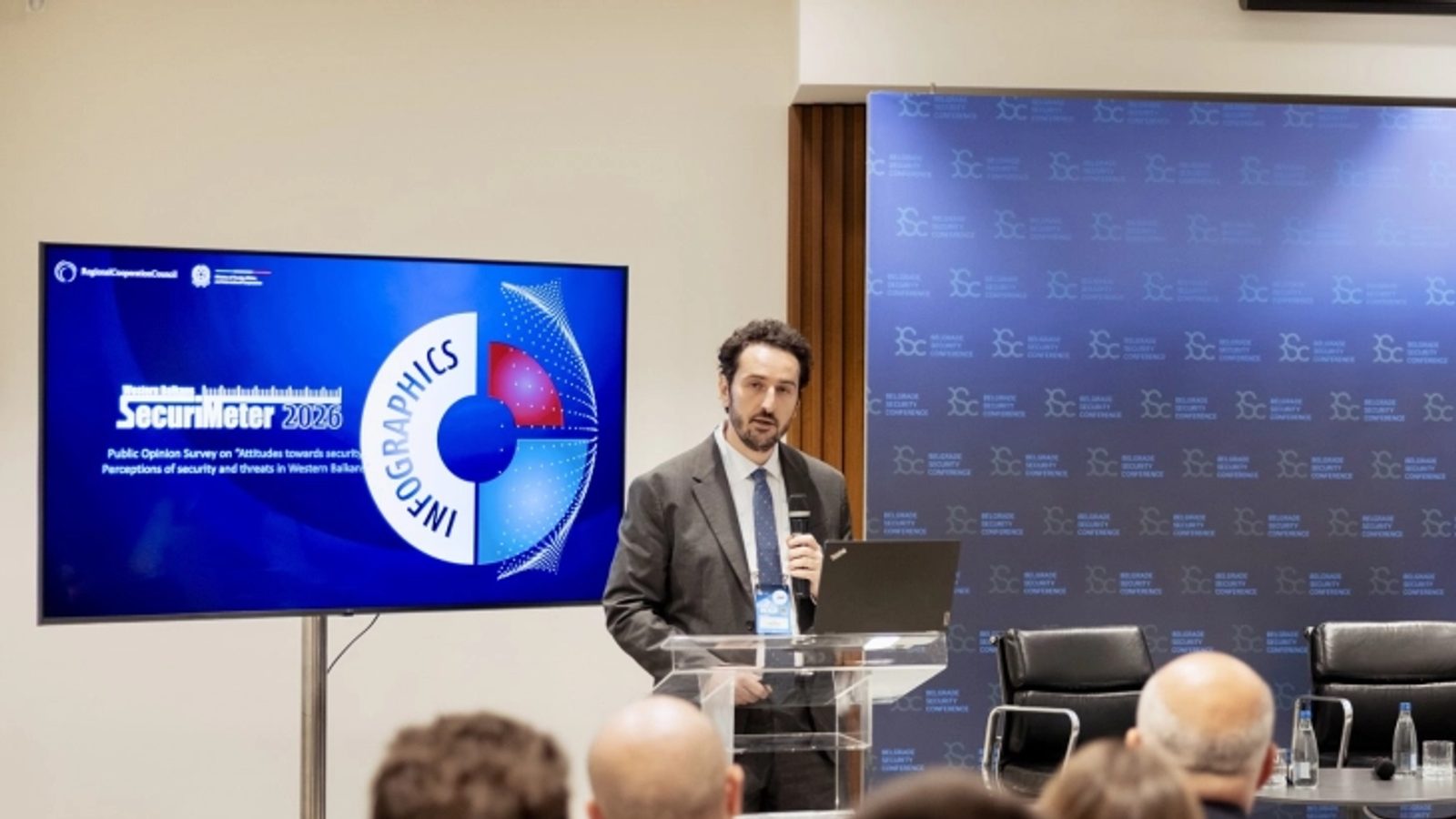
The SecuriMeter 2026 survey was carried out by the Regional Cooperation Council from 1 to 17 September this year on a sample of 6,003 adult respondents across the six Western Balkans economies. Interviews were conducted face-to-face using computer-assisted personal interviewing (CAPI).
Photo: press material from the event