Study: Sexual misconduct in the Bundeswehr more widespread than thought
A representative survey presented in the Bundestag on 11 November 2026 shows high rates of verbal and physical harassment in the German armed forces.
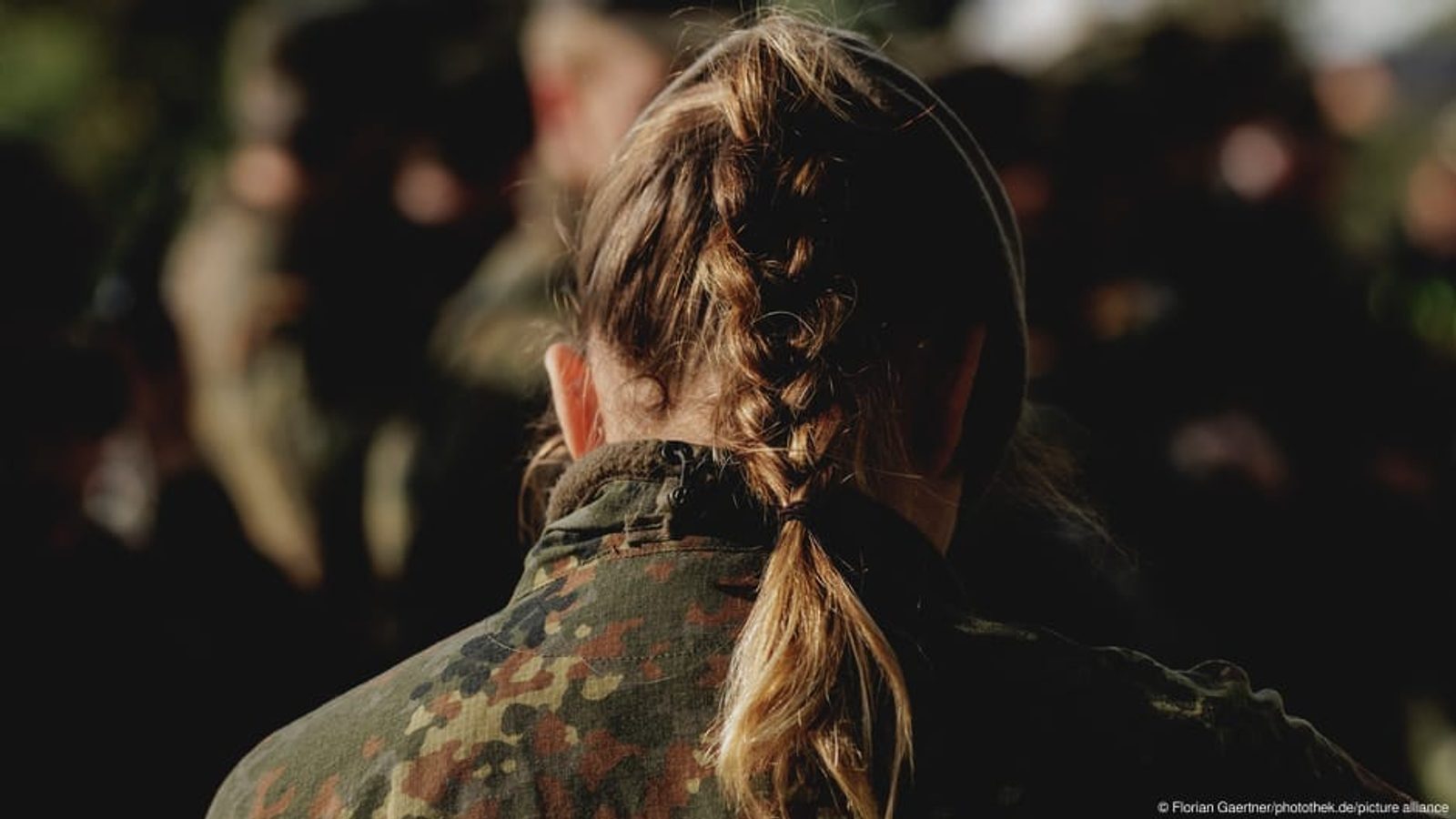
A first representative study shows sexual misconduct in the Bundeswehr is far more widespread than previously estimated, with younger female soldiers at particular risk. Defence Minister Boris Pistorius presented the results in the Bundestag on 11 November 2026 and pledged an action plan and “zero tolerance”.
Researchers from the Centre for Military History and Social Sciences of the Bundeswehr surveyed 45,000 service members; the response rate was around 18 percent. More than 8,100 questionnaires were analysed and the quantitative data were supplemented with individual and group interviews. The institute behind the research says the findings are scientifically representative.
“From the outset it was clear that the analysis would reveal unpleasant truths,” Pistorius told lawmakers on 11 November 2026. He added that “The research shows that only one-sixth to one-third of the cases are, in fact, reported.” The study finds younger women with lower ranks are most often affected; perpetrators are predominantly male, and men who are not heterosexual are disproportionately targeted.
Key figures and common forms of harassment
Statistically, combat units do not differ markedly from the rest of the armed forces. Units with a higher share of women (more than 15 percent) report lower exposure to inappropriate behaviour. The most frequent form of misconduct is verbal sexual harassment: 72 percent of women and 31 percent of men said they had experienced verbal sexual harassment at least once during their service. In the 12 months before the survey, 38 percent of women and 16 percent of men reported such experiences. Physical sexual misconduct was reported by 9 percent of women and 3 percent of men; 2 percent of respondents of both sexes reported sexual violence.
The study also explored why incidents go unreported. The most common reason given was a wish to avoid “making a fuss.” Pistorius said this pointed to a lack of trust in reporting channels: a central conclusion he said must be addressed by the ministry.
Responding to the findings, The Greens demanded creation of an independent reporting body. "In addition to standard disciplinary procedures, an independent reporting body should be established with powers to conduct investigations and the authority to initiate appropriate disciplinary measures," said Sara Nanni, the Greens' defence spokesperson. The Bundeswehr will expand victim support and improve information about how and where to report. The newly opened counselling centre will in future be available 24 hours a day and superiors will receive further training.
Inspector General Carsten Breuer emphasised training: "Sexual misconduct will be a training topic at all levels right from the start," he said. The way commanders handle reported cases will become a permanent criterion in assessments of their professional performance. Pistorius warned that, "Anyone who does not lead by personal example, or tolerates inappropriate behavior, or fails to insist on its consistent resolution will no longer be able to hold a leadership position."
The investigation was launched after growing numbers of complaints reached former parliamentary commissioner for the armed forces Eva Högl and accelerated this year following public reports of incidents in the parachute regiment in Zweibrücken. Current parliamentary commissioner Henning Otte called the figures “dramatically high.” The Bundeswehr is actively trying to recruit more women, but the study's findings may complicate those efforts.
Photo: press material from the event