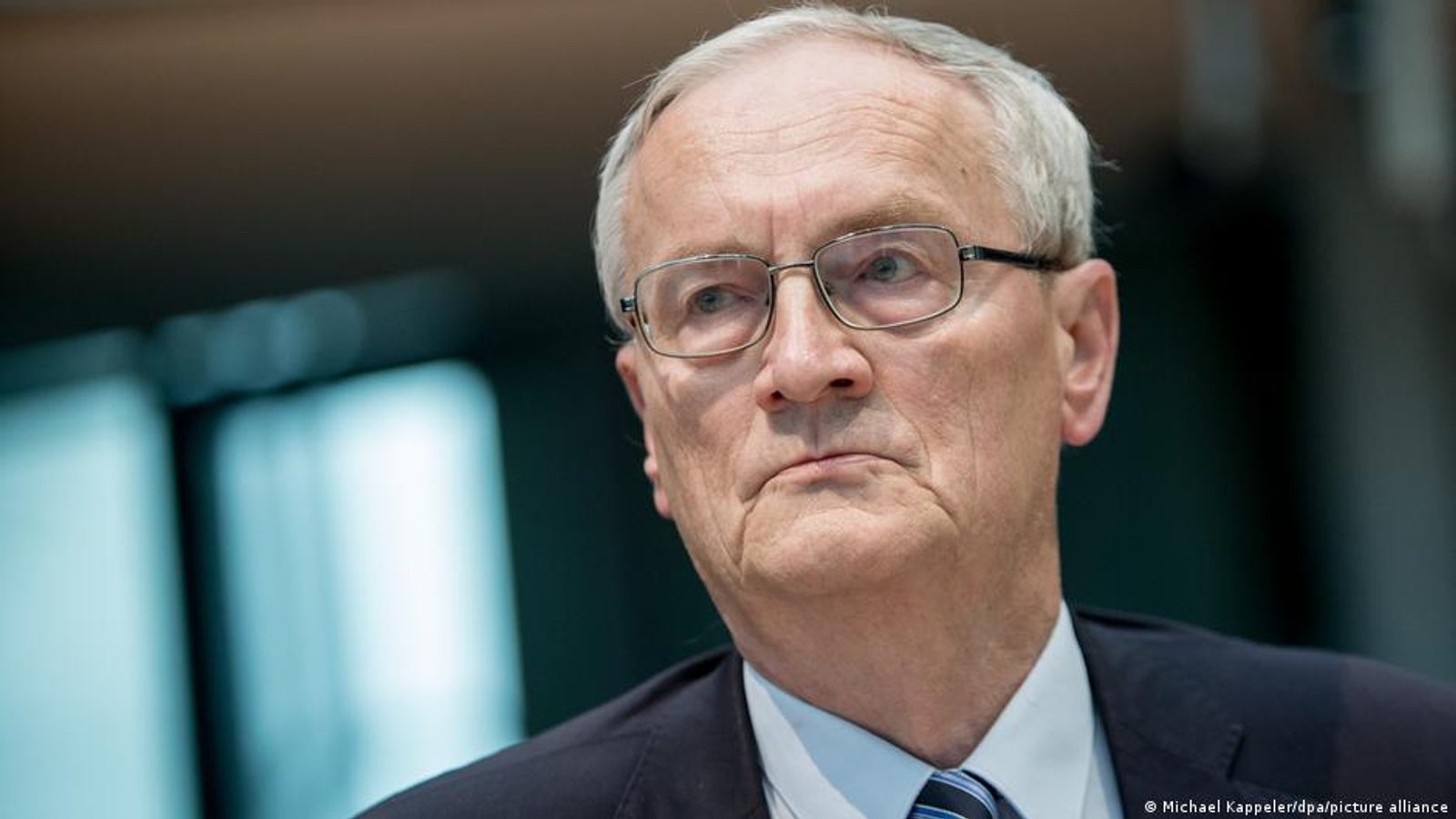
Arrest of August Hanning and alleged sale of 2,000 BND documents stokes security fears
Prosecutors say Manfred D. sold about 2,000 highly classified papers to August Hanning over 12 years, prompting concern among allied services.
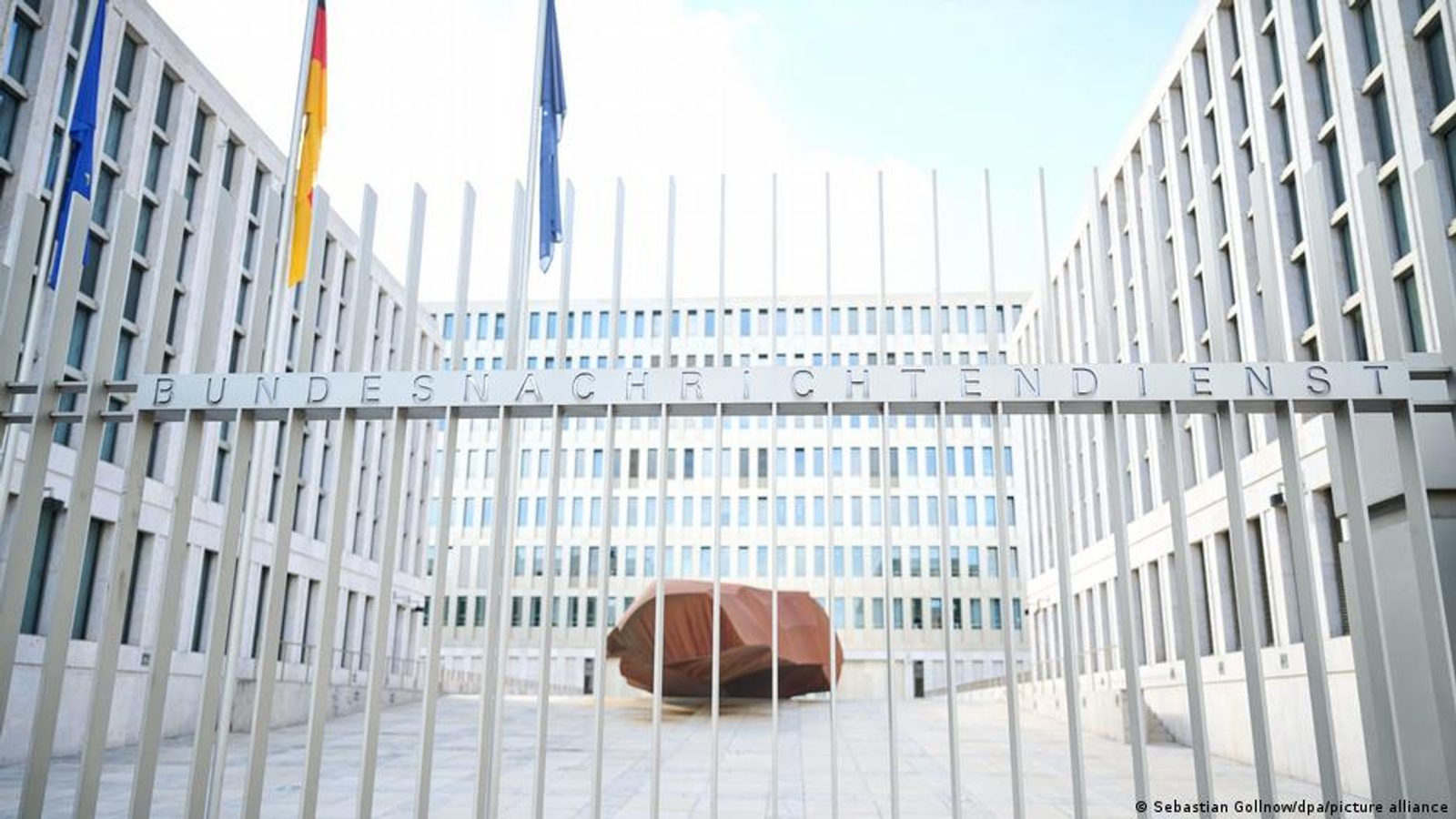
The arrest of former head of Germany’s foreign intelligence service (BND), August Hanning, and his one-time chief of staff, Manfred D., has prompted alarm about damage to Germany’s intelligence relationships and national security. Prosecutors allege Manfred D. sold roughly 2,000 highly classified documents to Hanning over a 12‑year period — long after Hanning left the BND in 2005 following a seven‑year tenure.
According to investigators, Hanning "used confidential intelligence material provided to him by Manfred D. to prepare an analysis for an official of a foreign intelligence service." Journalists and analysts say most of the material were the weekly intelligence briefings the BND produces for the German government and that they contained recent reporting from partner services.
Foreign partners, sensitive topics and shaken trust
Florian Flade, an intelligence specialist, warned the content is politically charged and involves allied services. "This is very, very sensitive because it involves partner services from other countries," he said, adding: "We heard that it involved information relating to the Iranian nuclear program, the Russian military, and the war in Ukraine."
Analysts say the main worry is how allied services will react. The CIA, for example, has shared information with Germany in the past that helped derail plots and protect lives; if partners conclude their material was passed on further — possibly even to adversaries — the flow of intelligence could be reduced. "This inflicts enormous damage not only on the external image and reputation of the BND," Flade said, and warned that "the volume of information shared by the US and others could change."
The scandal comes at a difficult moment for the agency. Parliament is debating a bill to broaden certain BND powers, partly intended to shore up the service’s standing with foreign partners. At the same time, a separate trial in Berlin is under way against a BND operative, Karsten L., and a businessman, Artur E., who are accused of high treason for handing classified documents to Russian intelligence in 2022.
Questions have also surfaced about post‑service restrictions for senior intelligence officials. Timo Lange of the NGO LobbyControl argued for lifetime bans on former intelligence and military leaders working as security consultants for outside clients: "It is fundamentally problematic when senior officials from the intelligence or military sector, after leaving public service, act as consultants for various — and, in some cases, unknown — foreign clients," he said. Florian Flade noted, however, that former officials commonly monetise their experience: "They simply try to earn from what they know best — networking and then selling security assessments, of course also working for companies and even for other countries as consultants."
Authorities in Germany say they are currently assessing the damage and have begun discussions with foreign partners to determine whether their information was passed on. New internal security measures at the BND have been announced while investigations continue.
Photo: press material from the event