Gifts for Mitrovden: traditional presents that bring luck — and what to avoid
Traditional Mitrovden gifts — from icons and honey to monastery rakia — and folk beliefs about presents that could bring misfortune.
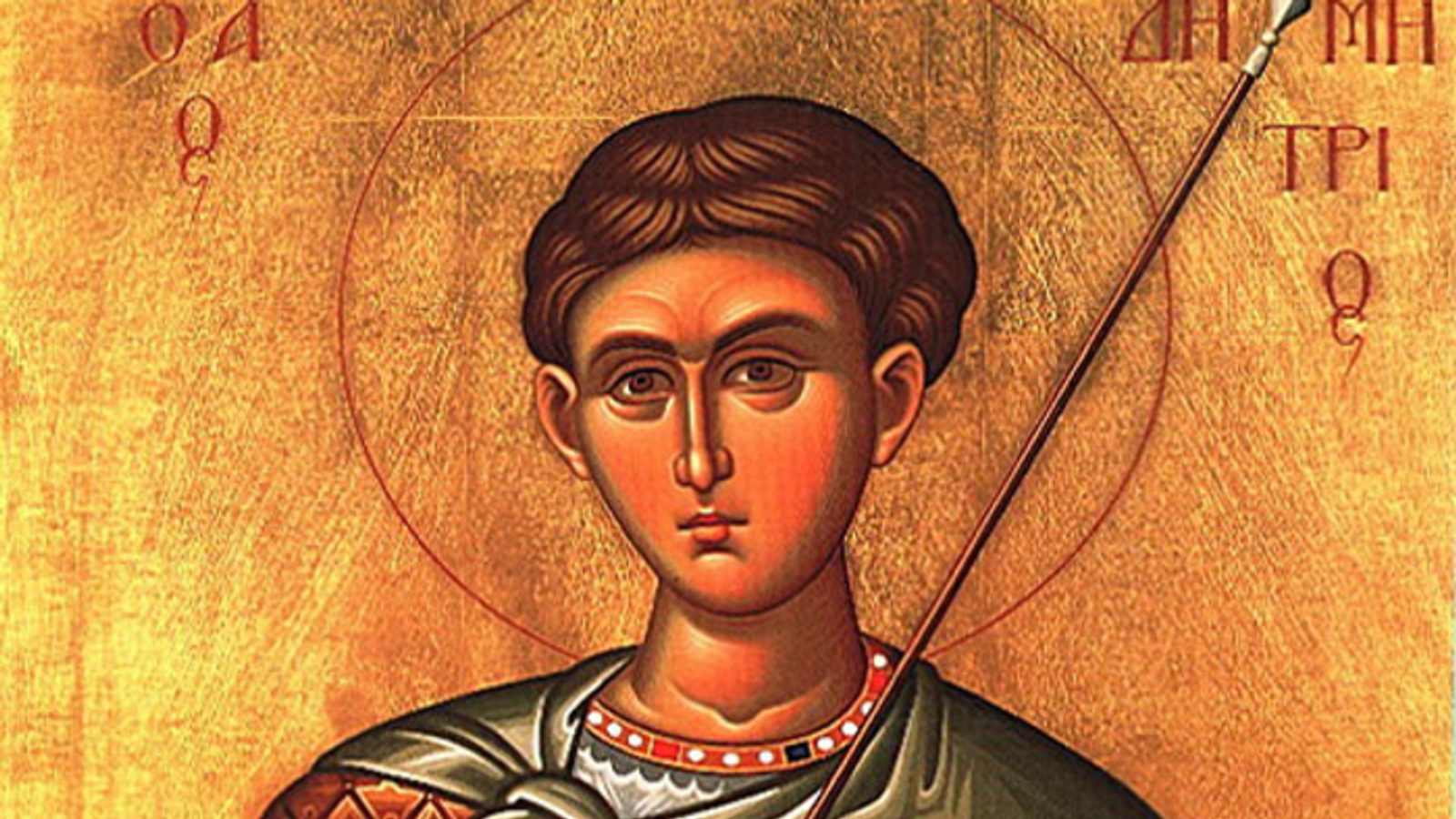
Mitrovden — the feast day honouring Saint Demetrius — is one of the most observed autumn celebrations across North Macedonia and the wider Balkans. In folk belief this date marks the line between summer and winter: "Dimitrij brings the snow." Families gather, honour the household and ask the saint for protection against misfortune.
Traditional gifts that carry a blessing — and those to avoid
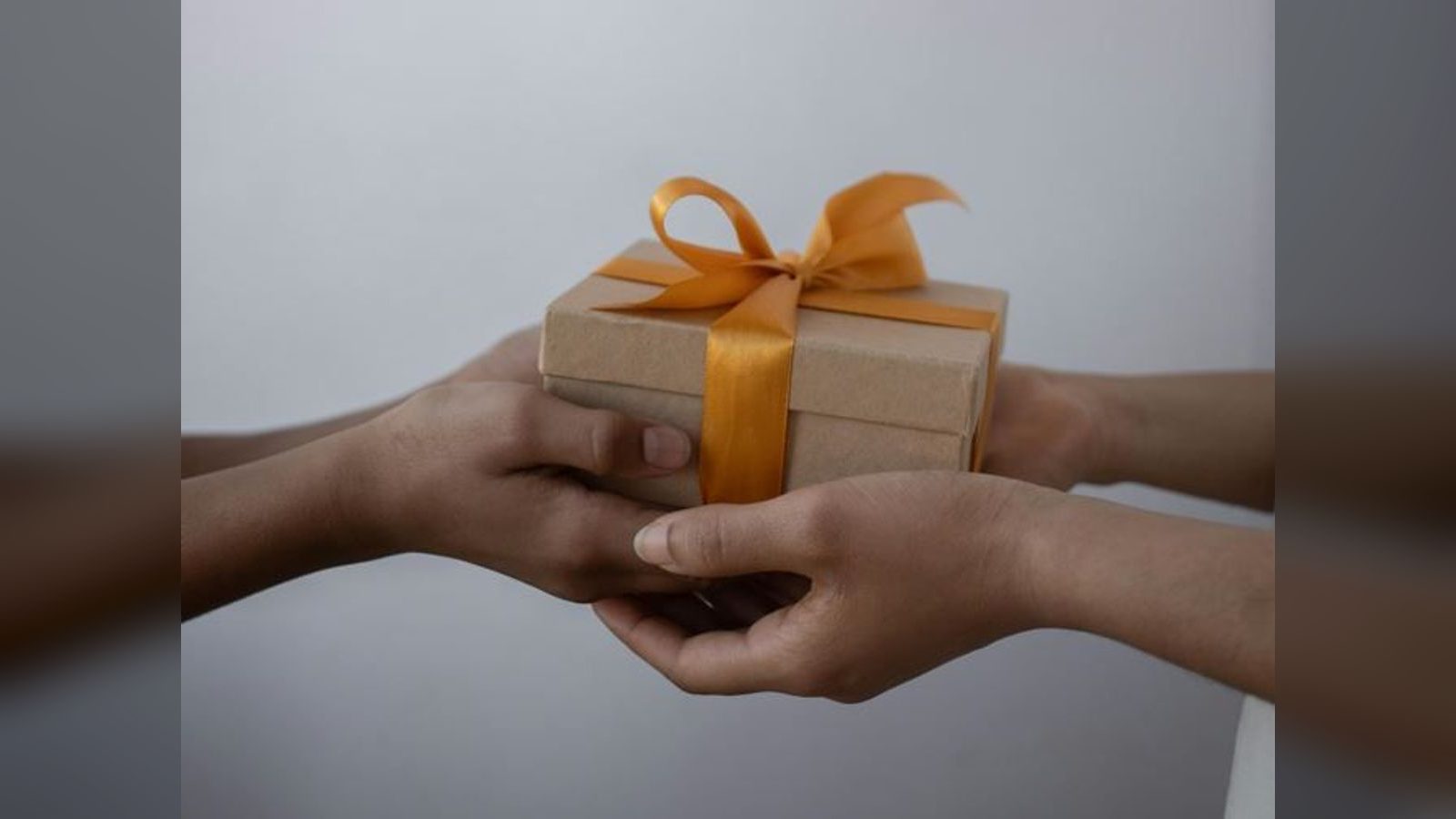
Gifts given on Mitrovden are more than simple tokens: they are offerings of thanks, protection and goodwill meant to secure health and prosperity through the year. Items traditionally regarded as especially fitting include:
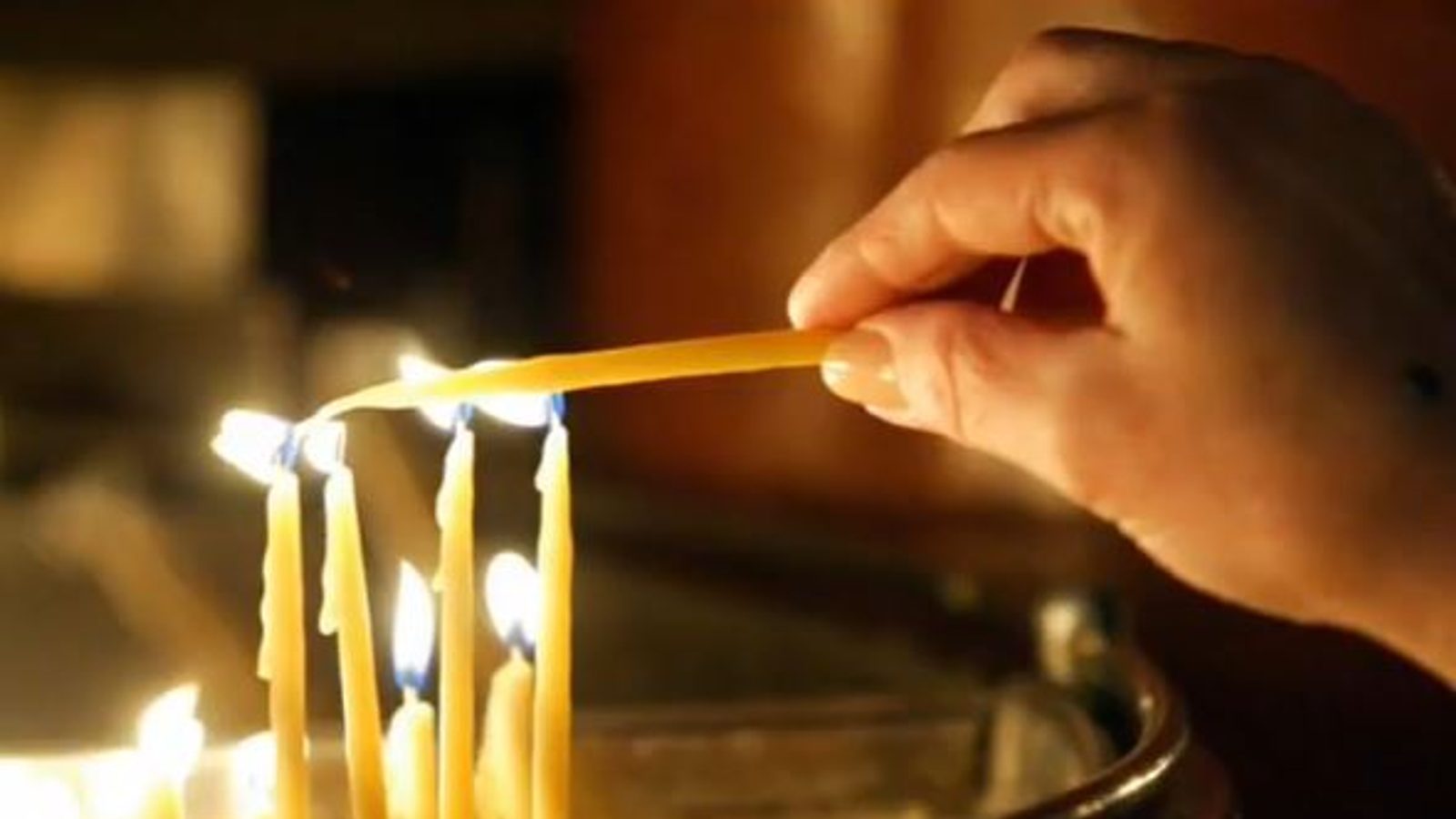
- an icon of Saint Demetrius or a candleholder — seen as a protective and blessing-bearing gift;
- homemade cake — a sign of abundance when prepared with care;
- honey and walnuts — traditional symbols of health and longevity;
- fragrant oil or incense — believed to purify the home and bring peace;
- a handmade cross or prayer rope (can also be bought at church shops) — symbols of spiritual protection;
- a ceramic lamp or small lantern — representing divine light and guidance;
- a jar of homemade herbal tea mix — wishing health and harmony;
- monastery rakia — purchased at a monastery as a symbolic wish for well-being;
- quality red wine — a traditional element of the festive table and church ritual;
- a basket with fatty foods (cheeses, prosciutto, sausages or homemade lard);
- an Orthodox prayer book or a short life of the saint — appropriate spiritual gifts.
At the same time, folk tradition warns against certain presents believed to bring trouble or sorrow. These include sharp objects (and even mirrors), which are thought to herald quarrels; handkerchiefs, associated with tears; and empty containers or an empty purse, feared to "drain" household wealth. Medical devices such as blood-pressure monitors or massagers are traditionally considered ill-omened because they are linked to illness. Other items to avoid are headscarves for the hostess, pearls (seen as symbols of tears), black clothing, and clocks — the latter once believed to mark the beginning of a countdown toward death or to cause separation in relationships.
Despite the lists of allowed and forbidden gifts, the most important element remains the giver's intention. As a common folk proverb puts it: "It is not the gift that is given, but the heart with which it is given." That meaning guides how families choose presents for Mitrovden: gifts should be sincere, protective and respectful of tradition.
Photo: press material from the event