What Iliana Yotova’s victory means for Skopje–Sofia relations
Analysts say the Bulgarian presidency change could open communication channels, but real progress hinges on steps from North Macedonia.

Iliana Yotova’s victory in Bulgaria’s presidential election has prompted cautious optimism in Skopje, but analysts warn the practical impact on Skopje–Sofia relations will likely be limited unless concrete steps follow from North Macedonia.
Experts: victory opens channels but not guarantees
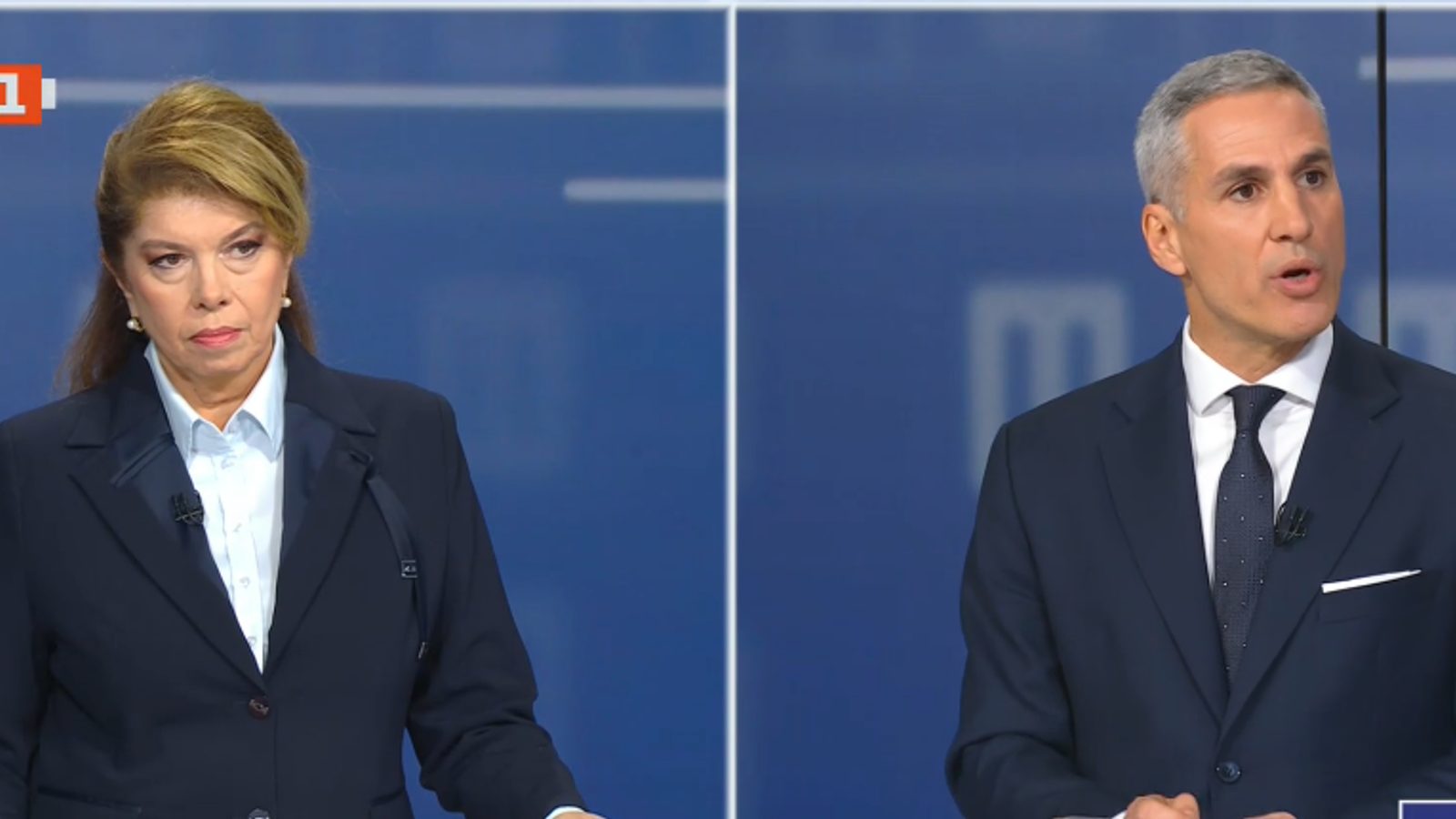
University professor and former MP Aleksandar Spasenovski told a televised debate that even if the opposing candidate, Andrey Gyurov, had won, Sofia’s stance toward Skopje would probably not have changed much. He underlined one positive fact from the result: Yotova already has an established line of communication with North Macedonia’s president, Gordana Siljanovska‑Davkova, which could ease contact.
Spasenovski argued that at least some parts of the Bulgarian opposition — as seen under the government of Kiril Petkov — have shown less fixation on historical disputes. He also recalled that, before the French proposal, Sofia had demanded an agreement in the historical commission on Goce Delchev, the Ilinden Uprising and VMRO prior to the first intergovernmental conference. Yet, he said, differences between the two Bulgarian presidential contenders did not surface in their final head‑to‑head.
"However, what is important to emphasize is that even if the opposing candidate had won, even if Yotova had not won these elections, from the debate, from the last debate that the two opponents had ahead of the second round of voting, they practically had identical positions regarding the Macedonian question," Spasenovski said.
Former prime minister Vlado Buchkovski urged that the next move must come from Skopje. "Well, I expect the changes to be with us; in Bulgaria there are no changes. The stance is constant. The fight even at the last debate on Thursday was about who is more deserving for the French proposal from the Bulgarian side," he said, suggesting that Sofia’s position remains steady and that the domestic political balance in Bulgaria does not promise a breakthrough by itself.
Buchkovski welcomed the meeting between Mucunski and Petrova in Sofia but called it belated and in part forced. He believes Skopje should have pushed sooner for direct talks and said that Prime Minister Hristijan Mickoski and Bulgarian President Rumen Radev ought to have met at least twice by now. On the wider risk if EU access stalls, he warned that without the European Union "the Republic of North Macedonia will be a blind alley in Southeastern Europe, not in the Western Balkans, and Kosovo will pass us." "And Kosovo will pass us. That is my message," Buchkovski added.
Analysts say Yotova’s win may make some practical engagement easier given prior contacts between the two presidents, but they stress that substantive progress depends on political decisions and reciprocal steps in Skopje as much as on Sofia’s attitude.
Photo: press material from the event