Orce Simov: Being against data centres today is like opposing hydro in the past
Orce Simov says data centres are critical infrastructure and points to 400 kV transmission corridors as possible sites; political parties split on risks and benefits.
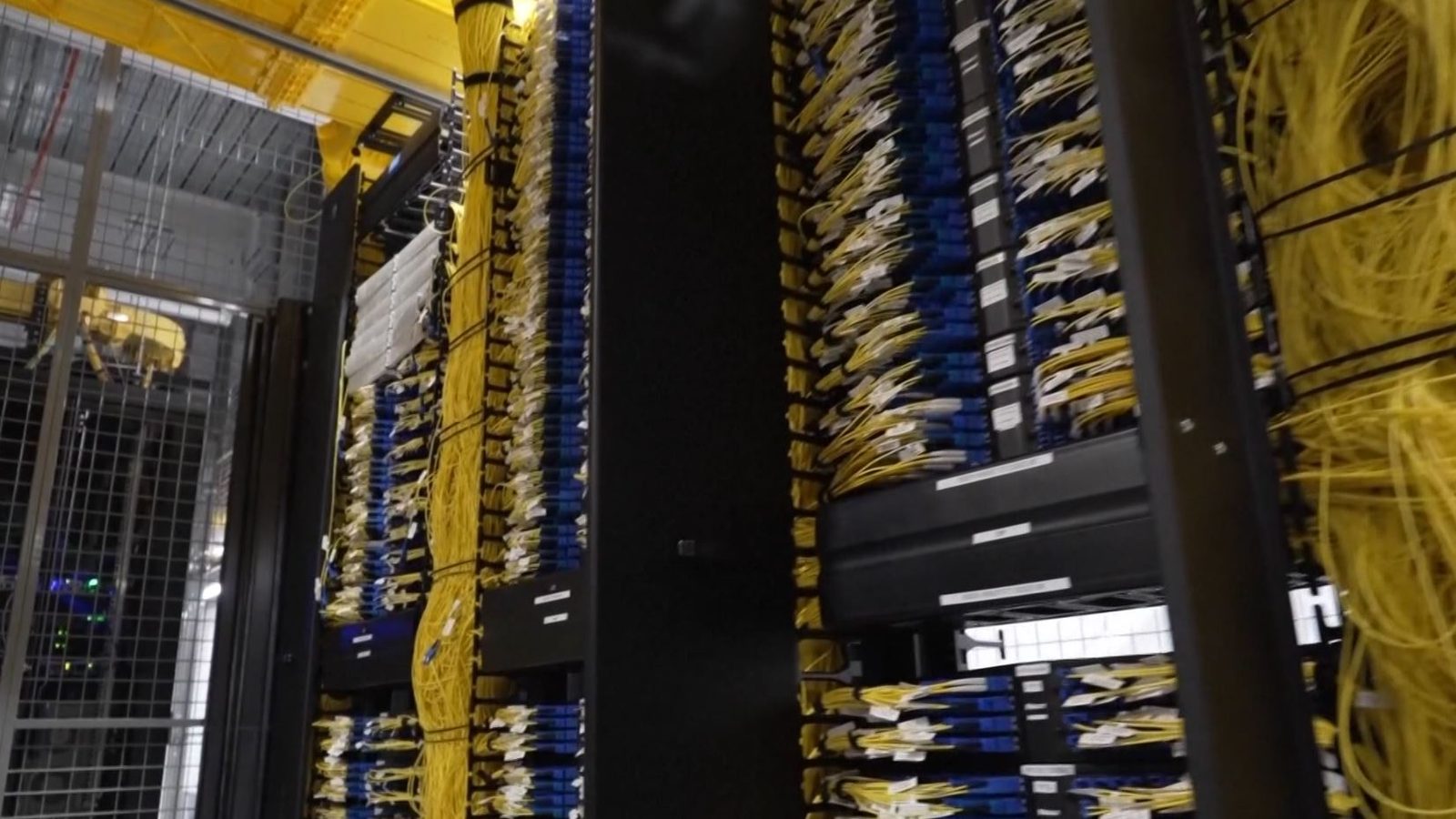
University professor Orce Simov told local media that opposing construction of data centres today would be comparable to opposing hydroelectric power a century ago: "Being against a data centre today is like being against hydroelectric plants a hundred years ago." He argued that data centres are critical infrastructure for the internet, social networks, artificial intelligence and broader digital transformation.
Simov said data centres in North Macedonia will be developed by private companies that will purchase electricity on the liberal market and "will not receive cheap, subsidised electricity used by the citizens of Macedonia." He identified existing high-voltage corridors as the main current option for siting such facilities.
Grid corridors, capacity and renewables
According to Simov, the main north–south 400-kilovolt transmission line running through places such as Kumanovo, Kavadarci, Negotino and down to Gevgelija offers suitable locations and cross-border connections to Greece and Serbia. He also noted an east–west line linking Albania, North Macedonia and Bulgaria that has somewhat lower capacity but still presents options.
Simov warned that the present network can host initial demand but that if many more centres are built in the future, the grid and transmission capacity would need reinforcement. "Which does not mean it will be taken from the citizens, from consumers," he added, stressing that capacity increases would be planned rather than supplied at the expense of households.
The professor also pointed out that data centres can use solar power. He noted that the national regulator has rejected applications to build photovoltaic plants totalling 7 gigawatts — a figure he called excessive given that domestic consumption is roughly 1 gigawatt — but said that approvals could be granted for large producers if such demand appeared and the grid were strengthened.
On environmental and technical questions, Simov said that if electricity for cooling comes from renewable or low-pollution sources, data centres need not harm the environment. He added that with adequate electricity supply these facilities can use air-cooling systems rather than large water-based cooling that raise local water use.
Political reactions have already followed. Opposition leader Venko Filipche warned that data centres with high electricity demand could lead to greater energy imports and higher prices, and argued that noise and increased water consumption would make living near them difficult. VMRO-DPMNE, by contrast, called data centres "the infrastructure of the future" and said they should not be opposed so long as projects are well planned and meet standards.
The leftist party Levica criticised the proposal, accusing VMRO-DPMNE of seeking to turn the country into a platform for global capital in the absence of a serious domestic industrial base.
Photo: press material from the event