Slivnicki Monastery near Prespa: shrine with a spring famed for healing water
A four‑century‑old shrine on Baba Mountain, noted for its 1607 church, frescoes and a spring long reputed by locals to have healing powers.
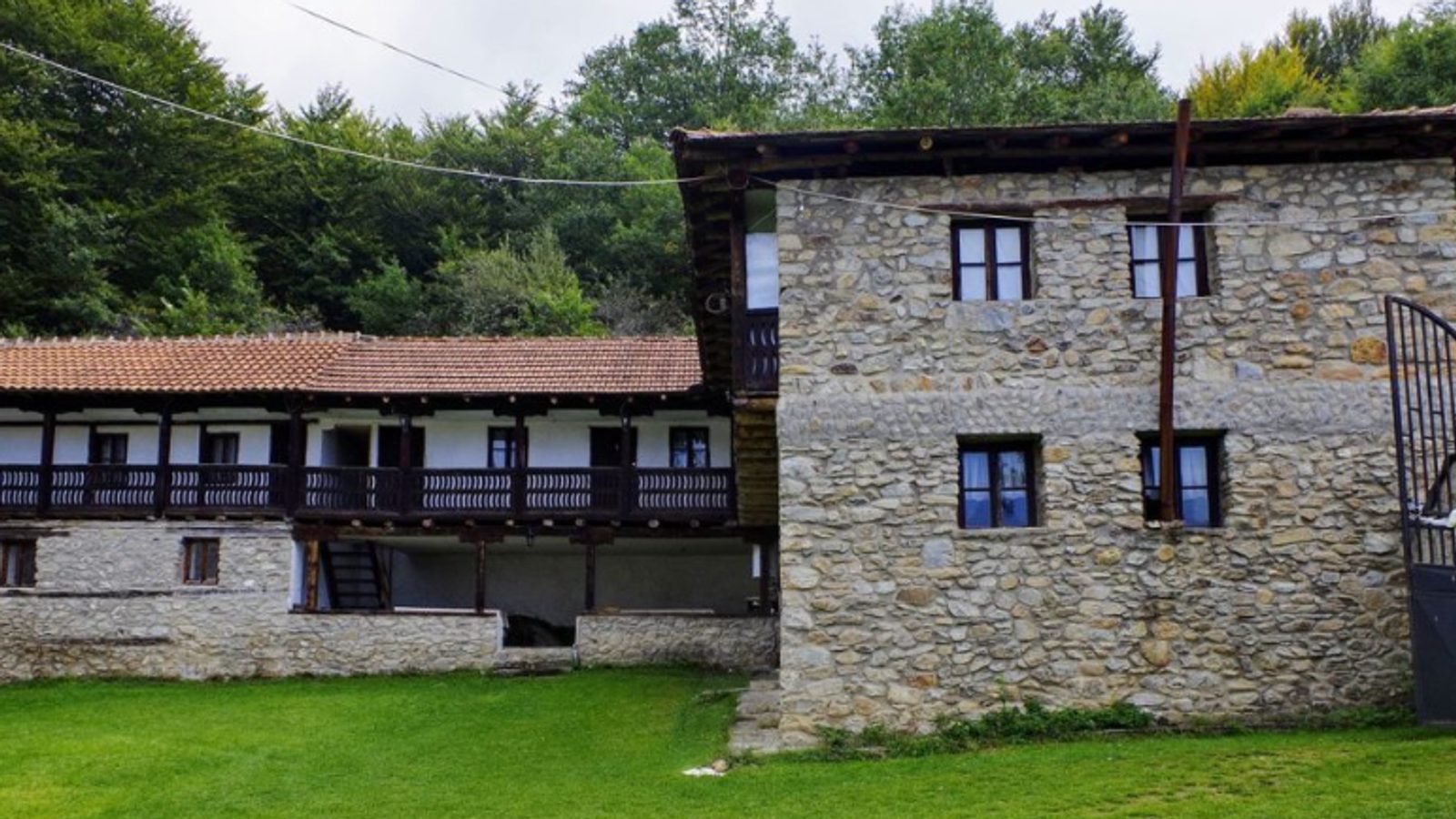
Slivnicki Monastery sits on the slopes of Baba Mountain in the untouched landscape of the Prespa region, about three kilometres from the village of Slivnica on the eastern shore of Prespa Lake. Dedicated to the Nativity of the Most Holy Theotokos, the complex has been a magnet for pilgrims, visitors and lovers of cultural heritage for centuries.
History, art and the spring
The church at the monastery was built in 1607; the frescoes that decorate its interior date from the same period. A wooden iconostasis with the royal doors and a large cross are among the notable liturgical artworks that testify to a long local tradition of ecclesiastical art.
Alongside its architectural and artistic value, Slivnicki is known for a spring in the monastery yard whose water local tradition regards as healing and miraculous. Stories circulate about married couples who, after years of failing to have children, came here in prayer and later believed their petitions were answered. Some accounts mention spouses who had been childless for 19 years before visiting the shrine.
The monastery complex also includes guest quarters (konaci) that were originally built at the end of the 17th century but suffered heavy damage in two separate fires. Restoration work began in 1994 and by 1998 twenty konaci with a total of 90 beds had been renovated, reopening the site to pilgrims and visitors and enabling traditional gatherings to resume.
Local tradition remembers that the slopes around the monastery were once covered by dense pine forest that was later lost in a major fire. Despite natural disasters and the passage of time, the monastery has retained its role as a place of spiritual calm and prayer.
Uncle Boško, who cared for the monastery, related that word of the spring spread beyond the immediate community and drew people of different religious and ethnic backgrounds seeking comfort and help. He also told a personal story about his own conversion: as a young man he had been a convinced communist and did not believe in God, but a close call with a snake — in his telling a near bite — became a turning point and led him to embrace faith.
There is no scientific evidence to confirm the water’s healing properties, yet the oral traditions remain vivid. For many visitors the spring’s primary significance is spiritual: a symbol of hope, blessing and trust in the intercession of the Mother of God. Today Slivnicki Monastery remains one of Prespa’s recognizable spiritual and cultural‑historical sites, more than four centuries old and surrounded by natural beauty.
Photo: press material from the event