Slovenia tightens rules for foreigners — family reunification would require over €2,000 a month
Draft amendments to Slovenia’s Aliens Act would double the previous income threshold and raise the cost of bringing family members to the country.
Slovenia's government is preparing tougher financial requirements for foreign residents, proposing changes to the Aliens Act that would raise the minimum funds a migrant must show to obtain or keep a residence permit.
New thresholds sharply raise the bar for family reunification
Under the draft amendments, the monthly amount a foreign worker must demonstrate on their account — previously set at €507 — would be doubled. The change will hit particularly hard those seeking family reunification: an individual would need to show a net monthly income of €1,014 for themselves, €580 for a partner and an additional €600 for each child, meaning a three-person household would have to demonstrate roughly €2,200 per month.
Goran Lukić of the Workers' Advice Office warned that the move could put many families in an impossible position. He said: "This practically means that, if this shameful law is adopted, many families will find themselves in a situation where they will have to figure out how to prove they have enough means for legal residence in Slovenia. Many foreign workers from third countries are already in a position where, for example, if they are not tax residents, they have a net salary lower than that amount."
The Legal Centre for the Protection of Human Rights also cautioned that the measure would make it harder for foreigners to obtain residence on the basis of study, work and family reunification. The organisation pointed out that the net average wage in Slovenia is about €1,700, a level many do not reach, while migrants often perform lower-paid jobs and may barely hit the minimum-wage threshold.
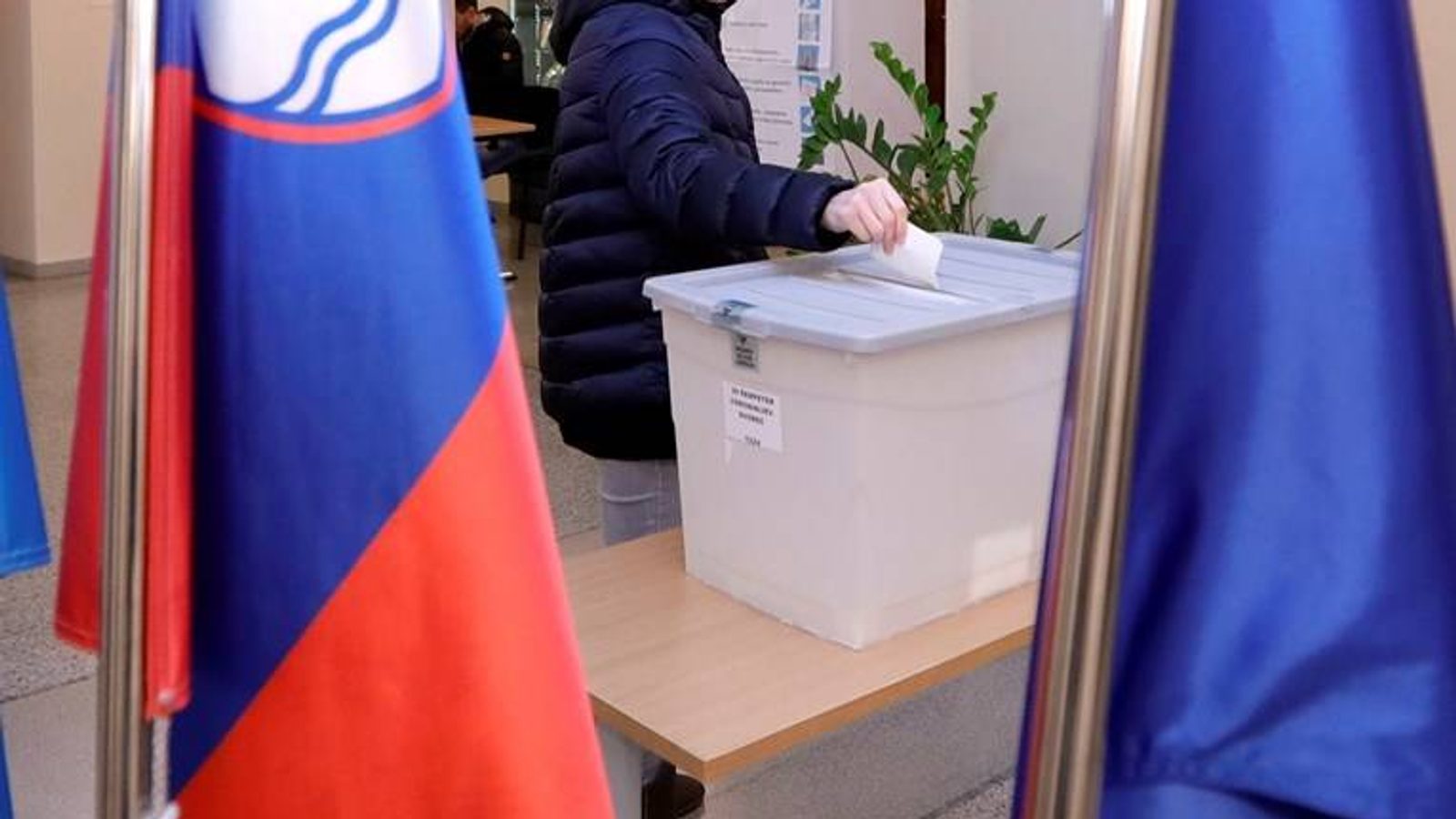
The announcement comes after the National Assembly voted in June to strip foreign residents of the municipal voting right they had enjoyed if they held permanent residence. The planned change to voting rights will be put before voters in a consultative referendum on 11 October, alongside two other questions — one on access to social assistance tied to community work and another on canceling subscriptions for public services.
Separately, Slovenia recently blocked a European Union statement condemning Israeli settlements in the West Bank, a move that highlighted the government's increasingly assertive posture on several international and domestic issues under Prime Minister Janez Janša.
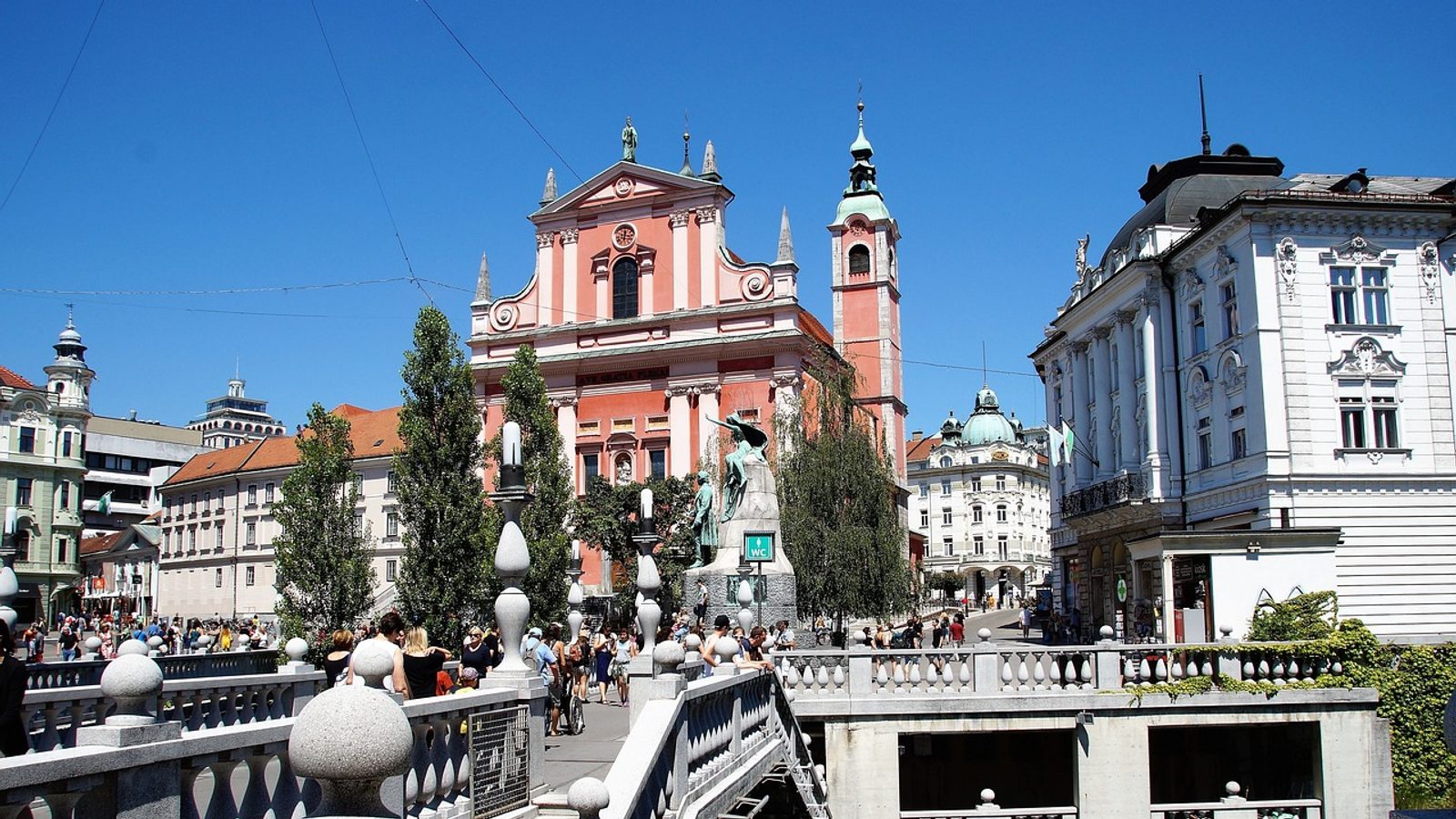
Photo: Pixaba / ivabalk