Slovenia extends fast‑track hiring of foreign workers until April 30, 2027
The Official Gazette entry of 28 Oct 2026 prolongs the procedure that lets legally resident foreigners begin work in listed occupations before full permit approval.
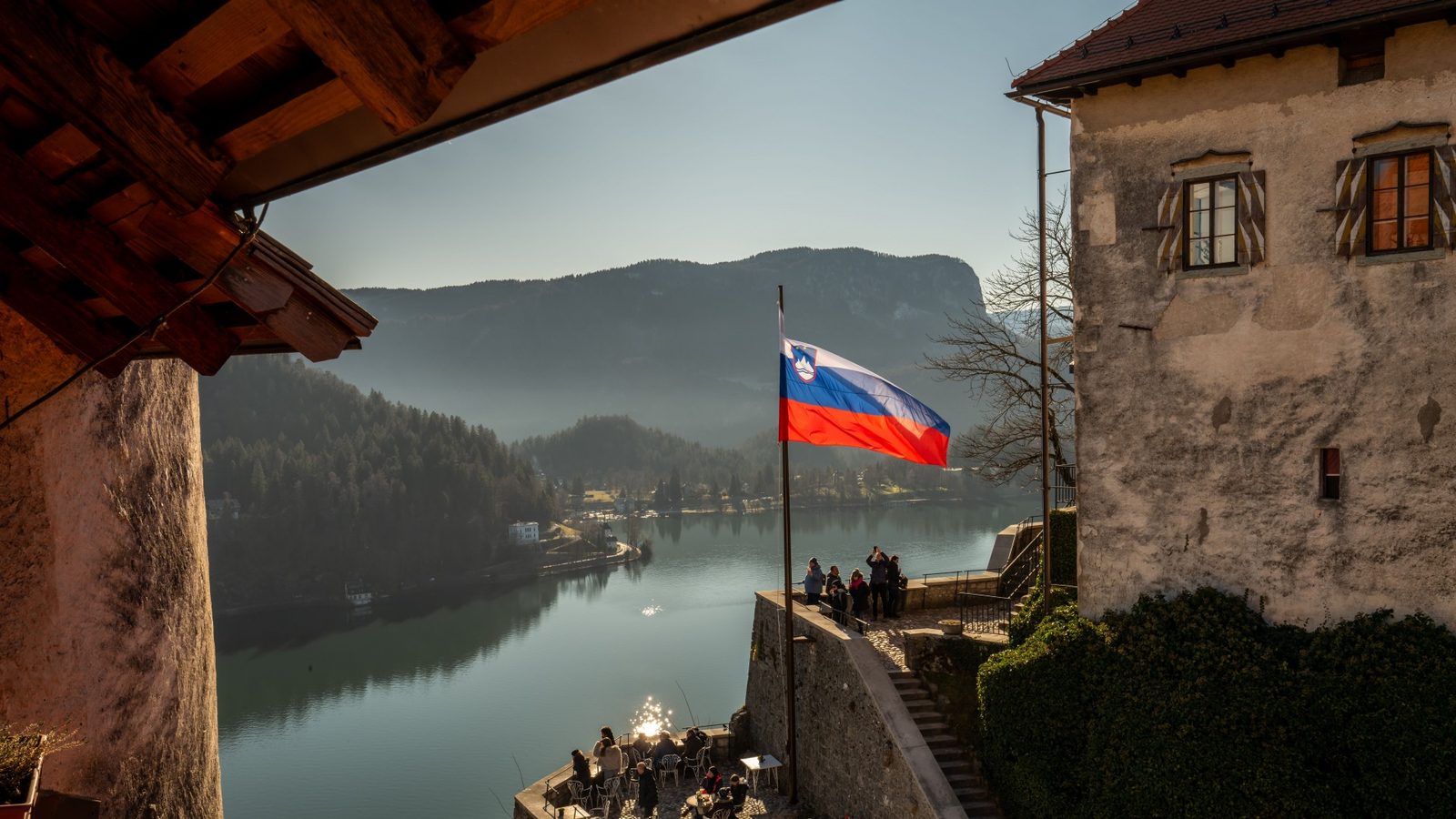
Slovenia has extended until 30 April 2027 the fast‑track procedure that lets employers hire foreign workers in specified occupations without the usual prior check for suitable unemployed domestic candidates. The measure was published in the Official Gazette on 28 October 2026 under number 1793/2026 and entered into force the following day.
Who is covered and which jobs qualify
According to the Slovenian Employment Service (ZRSZ), the fast‑track route applies to foreigners who at the time of application legally reside in Slovenia and seek work in one of the listed occupations. They may start working on the basis of an issued consent or work permit and a confirmation of a submitted application for a single residence-and-work permit, without waiting for the full procedure to conclude. The rule also covers certain Blue Card, training, representation and seasonal work consents, as well as permits provided under agreements with Bosnia and Herzegovina and Serbia.
The list of sectors and professions remains unchanged and includes a wide range of jobs in agriculture, forestry, industry, construction, transport, hospitality, IT, health and social care. Examples named in the regulation include farmers and forestry workers, pharmacists, technicians for the chemical and food industries, turners, mechanics, machine service technicians, crane operators, toolmakers, foundry workers, butchers, electromechanics, civil, mechanical and electrical engineers, heavy truck drivers, cooks, waiters, hotel reception staff and cleaning and auxiliary personnel.
The measure also covers numerous IT and advanced technology roles — software developers, analysts, database experts, computer networks, cybersecurity, artificial intelligence, data science, quantum computing, IT infrastructure, telecommunications and electronics — alongside medical professions such as doctors, nurses, healthcare associates, physiotherapists, carers and home‑care and social‑care workers. Some health professions are subject to additional restrictions depending on the employer type.
Fast‑track does not remove general legal requirements. Applications must state the correct occupational code and the intention to use the accelerated procedure, and the employer is obliged to employ the foreign national within ten days of receiving the consent or work permit, otherwise the consent will be withdrawn and the single permit application refused. The deadline may be extended for objective reasons such as illness. Registration for mandatory social insurance requires the relevant consent or permit and the confirmation of the submitted application.
Employers must also provide at least 80 hours of free Slovenian language instruction within working hours during the first six months. The worker must receive written information in a language they understand, and a confirmation of course completion must be submitted to the ZRSZ. Penalties for failing to provide the training range from €3,000 to €30,000.
The acceleration stems from legal amendments applied from 21 November 2025. After an initial list of occupations was set in December 2025, the measure was first extended in April 2026 to 31 October 2026; the recent change prolongs it for a further six months, until 30 April 2027.
The employers' organisations emphasised that this is a continuation of the existing measure. ZDOPS stated on 29 October that "The list of activities and professions does not change and remains the same as before." The Employers' Association of Slovenia (ZDS) confirmed on 30 October that "the list of activities and professions determined by the provision remains unchanged." The Regional Chamber of Crafts and Entrepreneurship in Ravne na Koroškem warned on 30 October that "The simplification does not mean that the employer can hire a foreigner without fulfilling other legal requirements."
Photo: press material from the event