Deadly shooting near Paris sparks protests and debate over racism and far‑right rhetoric
Attack in Trappes and La Verrière leaves one dead and prompts demonstrations and criticism of far‑right rhetoric.
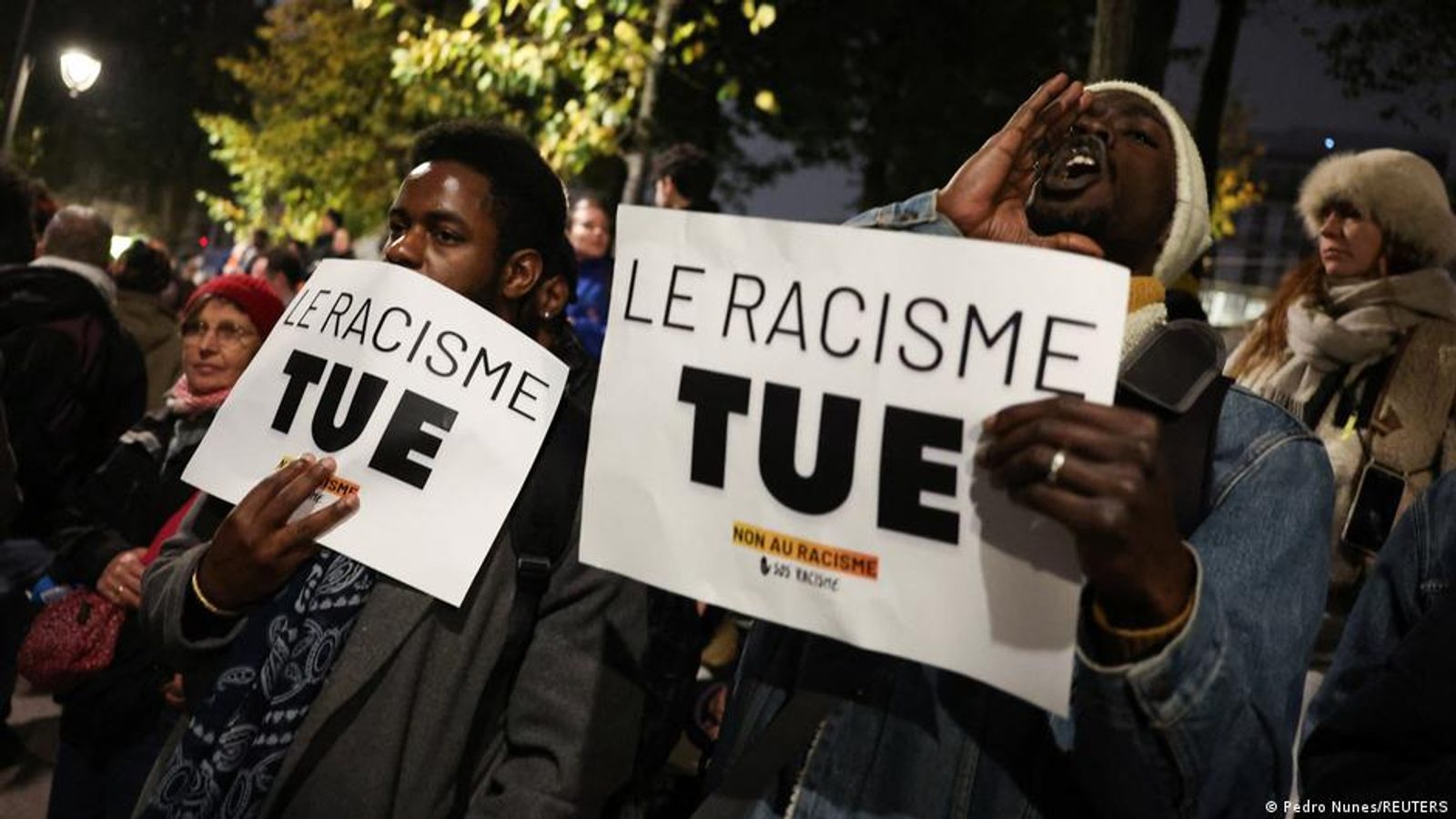
Protests erupted in Paris after a deadly, apparently racially motivated shooting near the capital that left one man dead and several others seriously wounded, fueling a national debate about racism and the role of far‑right rhetoric.
What happened
On Friday a 39‑year‑old French national opened fire in the commuter towns of Trappes and La Verrière, southwest of Paris. One person was killed — 26‑year‑old Pengo Bosio Vangi, a French citizen of Congolese origin — and four others were seriously injured, including an 11‑year‑old girl.
Authorities say the suspect, identified as Kevin T., fired a total of 128 rounds. After his arrest police found an automatic weapon, ammunition, tear gas, handcuffs and a police wristband in his car. Investigators also searched his home and discovered a Bible, a Quran and a copy of Adolf Hitler’s Mein Kampf.
The anti‑terrorism prosecutor’s office has taken over the inquiry and is investigating, among other charges, “murder linked to a terrorist plan.” Prosecutors say the suspicion of a racist motive is based on the profile of the victims — people of Arab or African origin — and on statements made by the suspect. The prosecutor, Olivier Kristen, said the suspect admits the attack but denies it was motivated by racism. The suspect may remain in police custody until Thursday, October 29, 2026, while questioning continues.
Local officials and residents reacted angrily. Trappes mayor Ali Rabeh pointed to the rhetoric of the far‑right National Rally and its leader Jordan Bardella, saying Bardella had repeatedly declared, I quote, “Trappes is no longer France,” and described the town as a “miniature Islamist republic” or “Kabul just 30 minutes from Paris.” “This man and his party have turned the entire population of Trappes into a target,” Rabeh said.
In Paris thousands gathered to protest. Demonstrators held signs reading “Racism kills.” One student, Elodie, told reporters she was worried for herself and her family and added: “It is not normal to be shot just because you are black and someone does not like that. For me, all people have equal value.” Another woman, Andrea, a former local politician visiting Paris, said that statements once considered unacceptable are increasingly voiced openly and that the move from words to violence seemed to her to be accelerating.
Photo: press material from the event