Austrian power and gas suppliers reject regulators' voluntary 'fair‑deal' catalogue
Only one of roughly 180 suppliers — Energy Direct Austria — has committed; regulators published the nearly 20‑page catalogue in March this year.
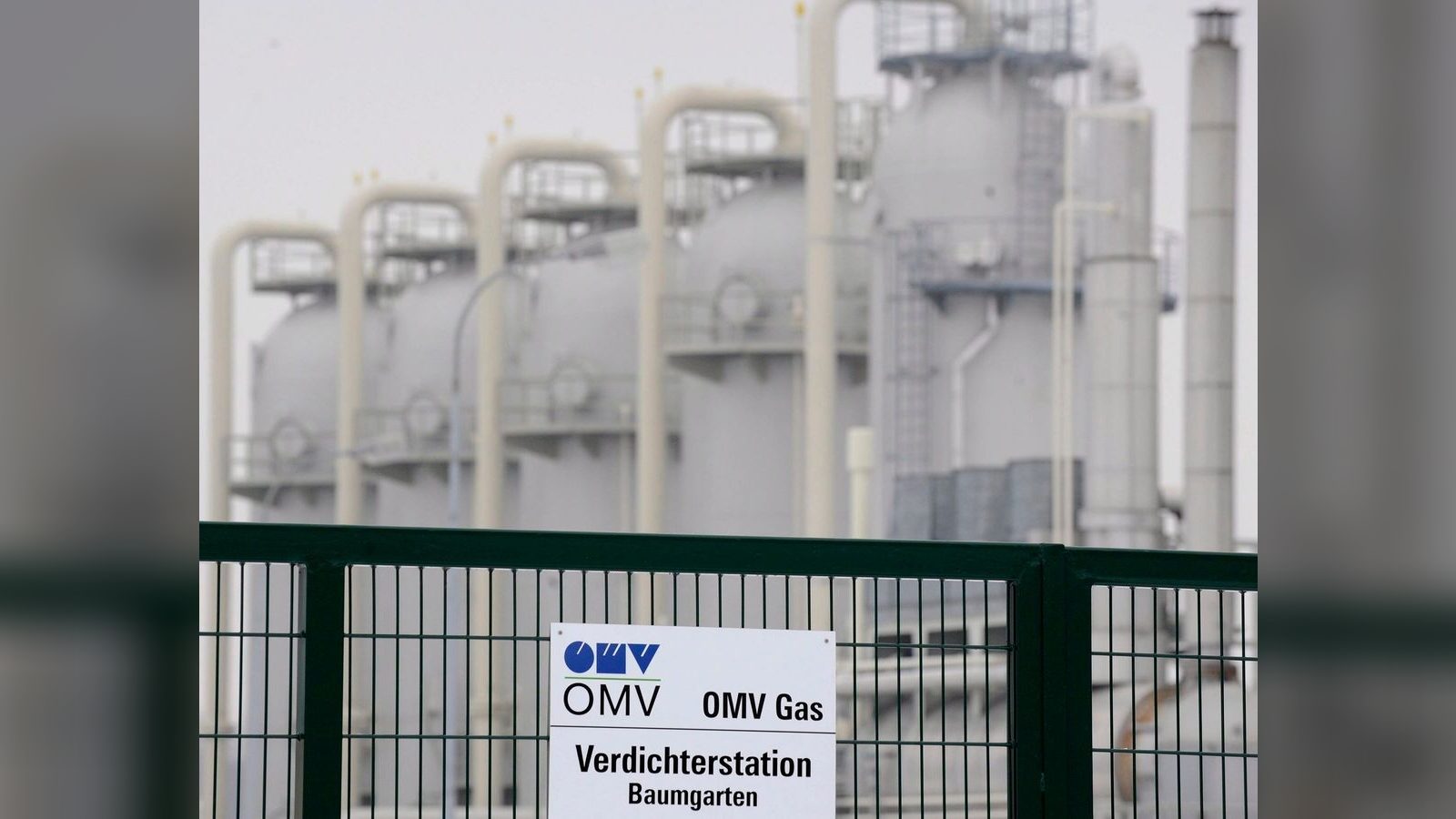
Only one of roughly 180 electricity and gas suppliers in Austria has signed up to a voluntary "fair‑deal" catalogue drawn up by the country's competition authority and the regulator E‑Control. The document, intended to increase transparency and make tariffs easier to compare, has so far failed to win broad backing from the largest market players.
Regulators introduced the catalogue after a 2023 review
In 2023 the Austrian Federal Competition Authority and E‑Control analysed the energy sector after prices rose sharply following the outbreak of the war in Ukraine. Their final report highlighted shortcomings in transparency, comparability and consumer communication. As a response the authorities published a nearly twenty‑page catalogue in March this year that supplements existing legal standards.
The catalogue is voluntary, and after five months uptake has been limited. Of about 140 electricity suppliers and about 40 gas suppliers, only Energy Direct Austria has committed to follow the catalogue's principles. None of the nine provincial energy suppliers have signed up.
Major companies have given similar explanations for refusing to sign: they say the catalogue's provisions are already reflected in their practices. Verbund, for example, points to its internal compliance rules and corporate governance code, while firms such as Burgenland Energy and Energy Steiermark insist that transparency and fair treatment are core to their customer communications. Some firms did not reply to requests for comment.
Not all responses were neutral. Salzburg AG criticised parts of the catalogue that it sees as restricting competitive freedom — notably the sections addressing bundled offers that combine power or gas with internet services, fuel vouchers or other perks. Regulators warn such bundles can make it harder for consumers to compare real prices.
Another headline proposal in the catalogue targets cross‑ownership between energy firms. The authorities point to Energy Alliance Austria — owned by Wien Energie, EVN and Energy Burgenland — as an example where interlocking ownership could weaken competition and potentially contribute to higher consumer prices. Energy companies counter that ownership stakes do not automatically translate into higher tariffs and call such decisions a matter for owners, including provincial authorities.
The catalogue also backs measures to improve billing frequency. Under a new electricity law, monthly billing will become mandatory for suppliers; Energy AG Linz already offers this option. Regulators say more frequent information on consumption and prices can make switching suppliers easier. So far switching rates remain low: in 2024 only 4.5 percent of consumers changed their electricity supplier, compared with about 18 percent in Italy and about 17 percent in Belgium.
Consumer groups caution that a tariff calculator alone will not fix the problem. Energy expert Walter Hager says consumers often do not understand their bills, face unexpectedly large monthly amounts and struggle to distinguish the supplier from the network operator. For now it remains unclear whether other suppliers will follow Energy Direct Austria; regulators hope the example will attract more signatories, but the first five months suggest the sector is not yet ready to embrace voluntary additional rules collectively.
Photo: EPA, Robert Jeger