Parliament adopts public procurement law; higher single‑source thresholds and fees for access remain
Assembly approved changes after deleting Article 13; opposition warns the amendments raise corruption risks and limit free access to procurement data.
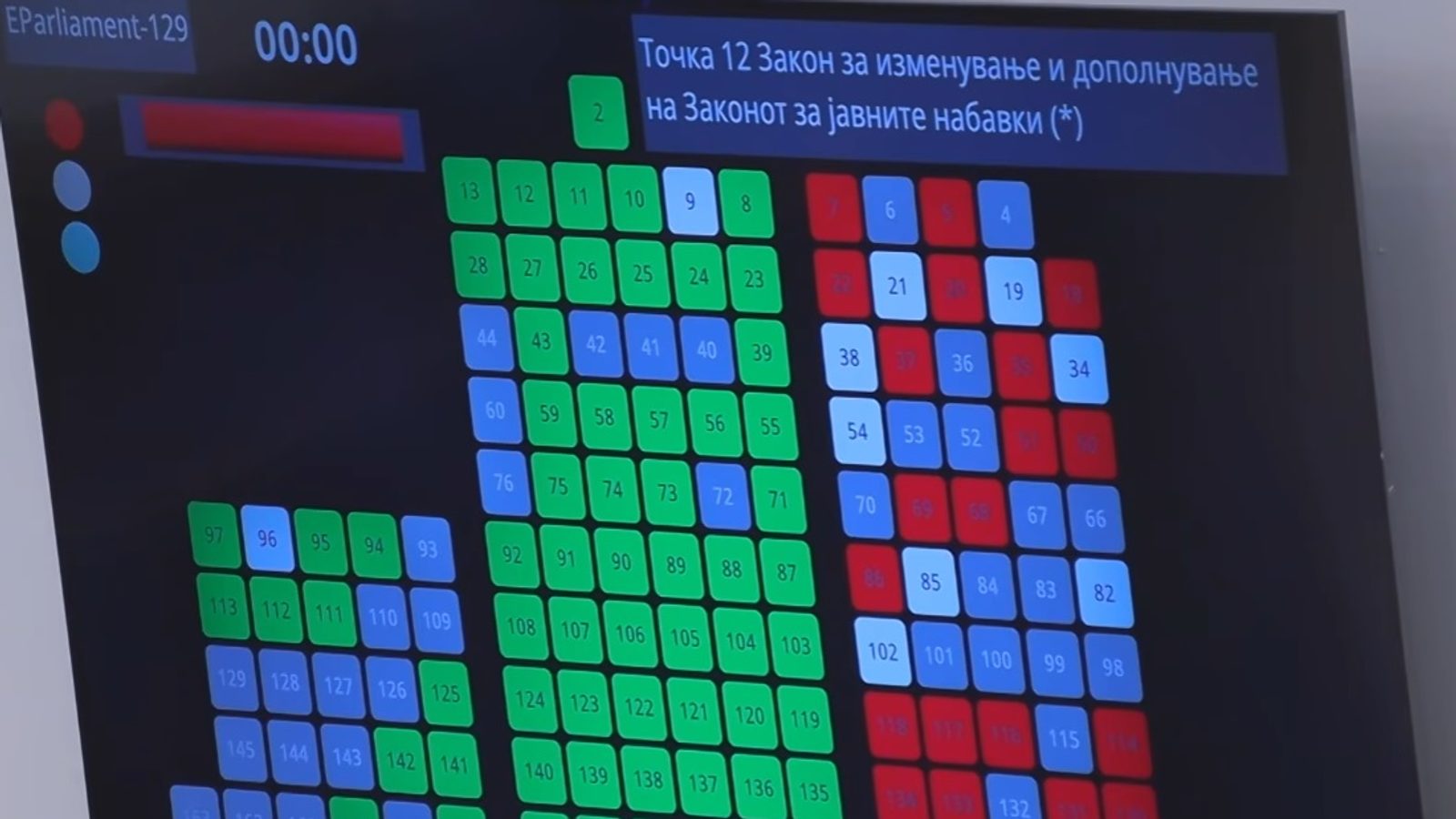
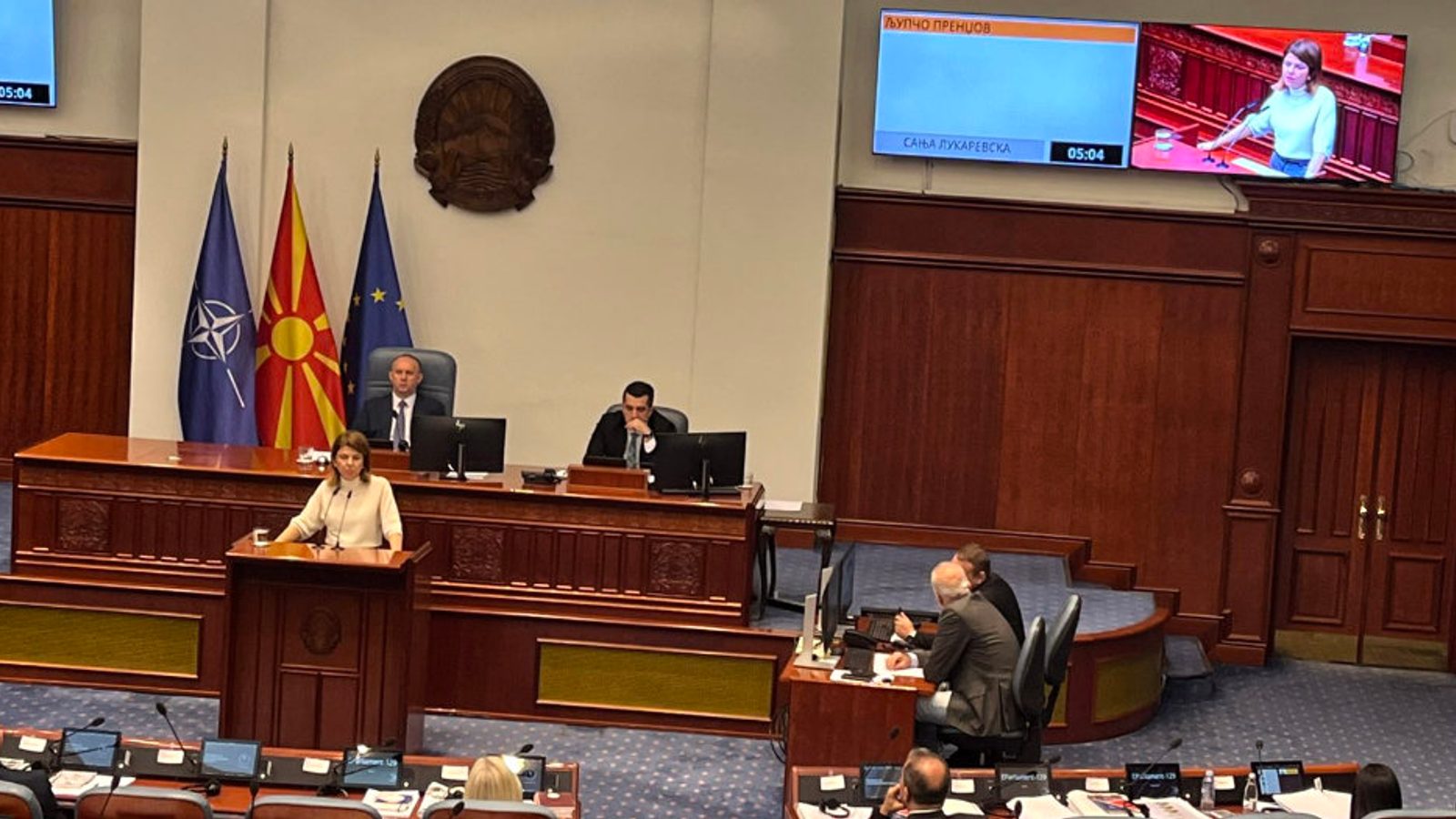
Parliament approved amendments to the Public Procurement Law with 63 votes in favour and 20 against, after an earlier change that removed Article 13 from the draft. The deletion of that article followed a presidential veto and cleared the path for the bill to proceed to promulgation.
Contested provisions and political divisions
Assembly President Afrim Gashi said that under Article 75(3) of the Constitution, once the Assembly adopts a law by a majority of the total number of deputies, the President of the state is obliged to sign the promulgation decree.
Opposition MPs accused the majority of weakening transparency and increasing corruption risks through several provisions retained in the text. Oliver Spasovski, coordinator of the SDSM parliamentary group, reacted procedurally and criticised what he called a rushed outcome, stressing that other changes were more consequential than the deleted article.
Spasovski said: "For me, the other provisions that change are much more important — the amount for single-source procurements, the abolition of the consent that was to be obtained from the Public Procurement Bureau when carrying out procurements by shortened procedure, which is the most important thing in the area of transparency. The free review is also being abolished — if you don't pay, you cannot get public procurement data, neither journalists, nor NGOs, nor anyone else."
The debate referenced a wave of amendments filed after the presidential veto: the text notes that 2,158 amendments were submitted, while Spasovski recalled that SDSM and the coalition had lodged 2,100 amendments in an effort to block the bill.
Mile Cekov warned about concrete consequences for companies and oversight. He noted that public procurement last year amounted to €1.6 billion and pointed to critical findings in the European Commission report and corruption risks identified by the Center for Civil Communications (CGC). Cekov highlighted that the fee for a complaint procedure rises from €200 to €600 and that the proposal introduces charges for access to machine-readable procurement data that were previously free.
Cekov asked: "I wonder whether these amendments are being made to increase competition and transparency or to reduce control over the spending of public money." He also said that Article 2 doubles the threshold for single-source procurements from €5,000 to €10,000, allowing an official to spend up to €50,000 a year without a public procurement procedure.
MP Ilire Dauti echoed similar concerns, warning that raising the small-procurement thresholds weakens the control filter over public spending. "Another problem is that anyone who wants more data about public procurements will have to pay a certain amount, which certainly makes oversight harder. These issues are addressed in the European Commission's report, and what is proposed runs directly counter to the EC's demands," she said, adding it is unacceptable for such a law to be adopted hastily.
From the majority, Bojan Stojanovski (VMRO-DPMNE), speaking when the amendment deleting Article 13 was adopted, argued that by removing that article the Assembly accepted the president's concerns and that the law could now be adopted to make the system more practical and legally sound. Proponents also said the changes form part of the Reform Agenda and will introduce digital tools and artificial intelligence to reduce risks of corruption and misuse.
President Gordana Siljanovska-Davkova had informed the Assembly on 2 November that she would not sign the promulgation decree for the changes adopted on 26 October, citing a careful analysis and consultations with experts. She judged that the wording of Article 13 — which alters how mandates for the president and members of the State Commission for Complaints on Public Procurement are regulated — raised serious questions about the rule of law. The previous formulation limited appointments to two terms (five years each, for a total of ten years); the new phrase "with the right to reappointment," in her view, does not set a clear limit and leaves room for arbitrary interpretation, including the possibility of unlimited reappointments.
With the deletion of Article 13 now approved by the Assembly majority, the law goes to the President for signature under the constitutional provision invoked by the Assembly speaker.
Photo: Printskrin od glasanjeto za zakonot za izmenuvanje i dopolnuva