Sophie Lanigan lost both arms and legs after sepsis
A Dublin teenager who fell ill in December 2022 recounts how infection led to amputations in January 2023 and urges rapid action on sepsis.
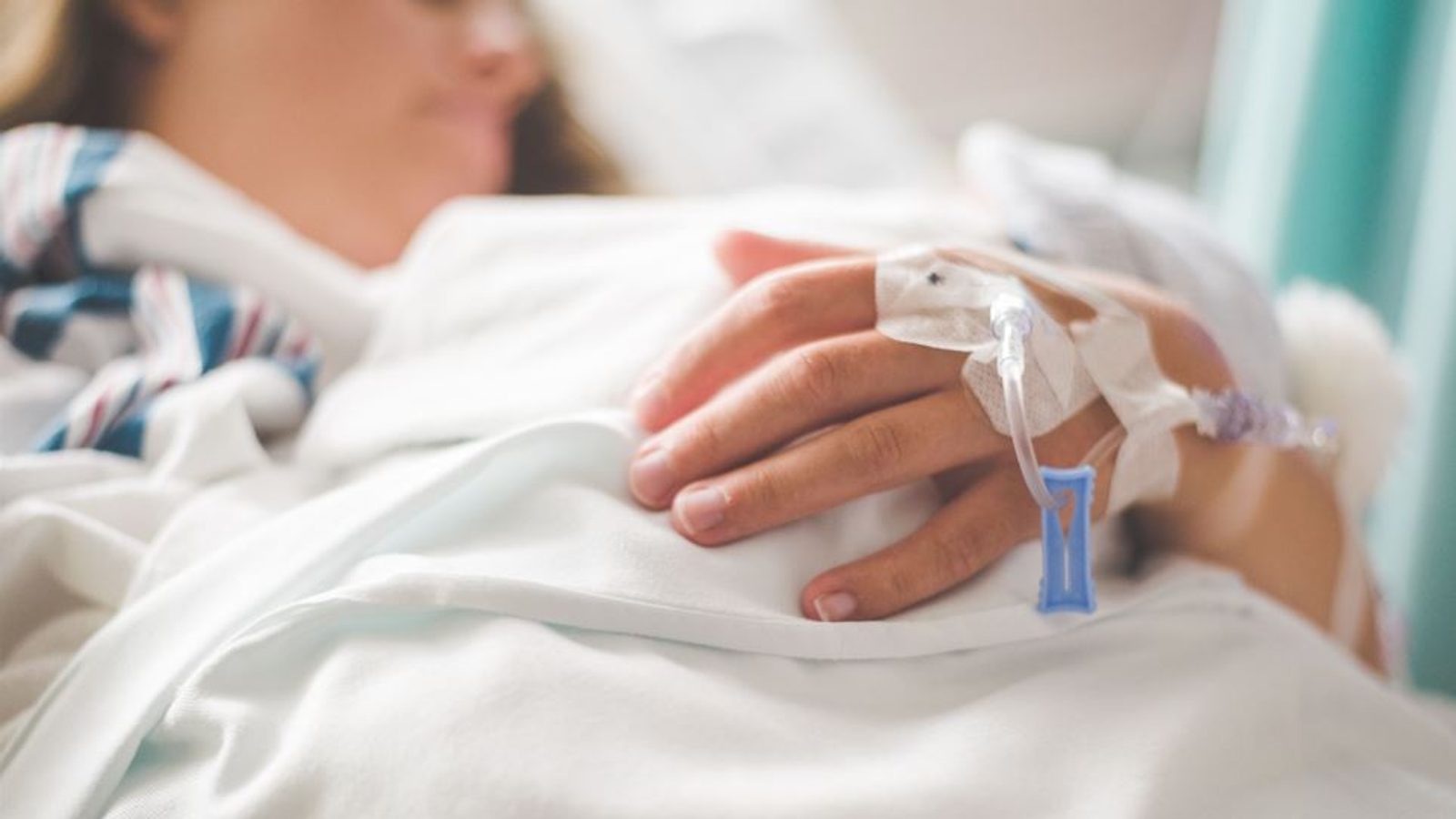
Sixteen-year-old Sophie Lanigan from Dublin survived a severe bout of sepsis but lost both her arms and both her legs as a consequence of the infection and the emergency treatment she required. Sophie now speaks publicly about the episode — which changed her life within a matter of hours — to urge people to recognise and act on the early signs of sepsis before the condition deteriorates dramatically.
Her illness began when she was 12 years old in December 2022. A high fever appeared one Sunday morning and, within 36 hours, her condition worsened so fast that she was placed on a ventilator and fighting for her life.
Doctors identified a bacterial infection caused by Streptococcus A that progressed to sepsis, triggering septic shock and organ failure. Life-sustaining medicines required to support her organs had the side effect of reducing blood flow to her hands and feet; in January 2023 clinicians carried out amputations of both legs and both arms. Sophie also suffered other long-term consequences: hip surgery, hair loss and post-traumatic stress disorder.
With prosthetic limbs she has relearned to walk and has returned to the hobbies she loved — drawing and writing. Sophie uses her experience to warn others that sepsis can strike anyone and that prompt medical attention can be decisive.
How sepsis can damage the body — and when to seek help
Ireland has also launched a new five-year strategy to combat sepsis (2026–2030), emphasising earlier diagnosis and improved public awareness because sepsis may affect anyone, with higher risk among children, pregnant people and those with weakened immunity.
Common consequences of sepsis include problems across multiple organs:
- Brain: confusion, drowsiness, dizziness and sometimes loss of consciousness.
- Lungs: rapid or difficult breathing and low oxygen levels; severe acute lung injury can occur.
- Kidneys: reduced urine output and, in severe cases, acute kidney failure.
- Heart and circulation: fast pulse, drop in blood pressure, cold or mottled skin, dizziness and collapse.
- Liver function and clotting: impaired liver function, jaundice, clotting disturbances and possible bleeding.
- Skin and extremities: poor blood flow in small vessels can change skin colour, damage tissue and in rare severe cases cause tissue death in fingers or limbs.
Sepsis can develop from many types of infection. Frequent sources include pneumonia and other chest infections (sometimes following influenza or COVID), complicated urinary infections, intra-abdominal infections such as appendicitis or a perforated bowel, infected wounds or surgical sites, childbirth-related infections, meningitis or encephalitis, endocarditis, bone infections and bloodstream infections linked to catheters or implants.
Warning signs that require immediate medical attention include new confusion or difficulty communicating, extreme drowsiness, sudden severe weakness, high fever or chills, very fast or laboured breathing, blue-tinged lips, a racing heart, fainting or near-fainting, very pale or mottled skin, very low urine output, persistent severe pain, or an unusual rash that does not fade under pressure. In children, very fast breathing, seizures, difficulty waking, very pale or blue skin, non-blanching rash, cold touch, marked lethargy or no urine for 12 hours are particular red flags.
Photo: Fripik