SPD in crisis as AfD gains ground ahead of regional elections
SPD’s low polling, internal dissent and coalition compromises deepen concern as AfD gains in key states such as Saxony‑Anhalt.
Germany's Social Democratic Party (SPD) is facing an acute crisis of relevance as the right‑wing Alternative for Germany (AfD) gains ground ahead of this year's regional ballots. Party activists and voters in Saxony‑Anhalt describe a sense of urgency: whether the decline can be halted before more state elections this autumn remains uncertain.
In Magdeburg SPD Bundestag member Matthias Miersch spent a day meeting local officials, charitable groups and civic initiatives as part of a campaign swing through Saxony‑Anhalt. He focused on traditional SPD topics — affordable rents, social aid, poverty relief, integration and anti‑discrimination — and spoke openly about challenges faced by LGBT communities in rural areas.
AfD surge and local vulnerabilities
Miersch warned about the social consequences of AfD’s rise: "We are witnessing a retreat from the free way of life that was won in recent decades." The AfD has been classified by the Federal Office for the Protection of the Constitution as a proven right‑wing extremist organisation, a fact that haunts debates in many towns.
Polls in Saxony‑Anhalt give the SPD only seven to eight percent support, reflecting a party reduced to a marginal role in the state parliament fight. At the federal level the SPD is polling at about 12 percent and sits behind AfD, the CDU/CSU and the Greens. Analysts say dissatisfaction with the federal coalition — where the SPD is the junior partner to CDU/CSU — feeds local losses.
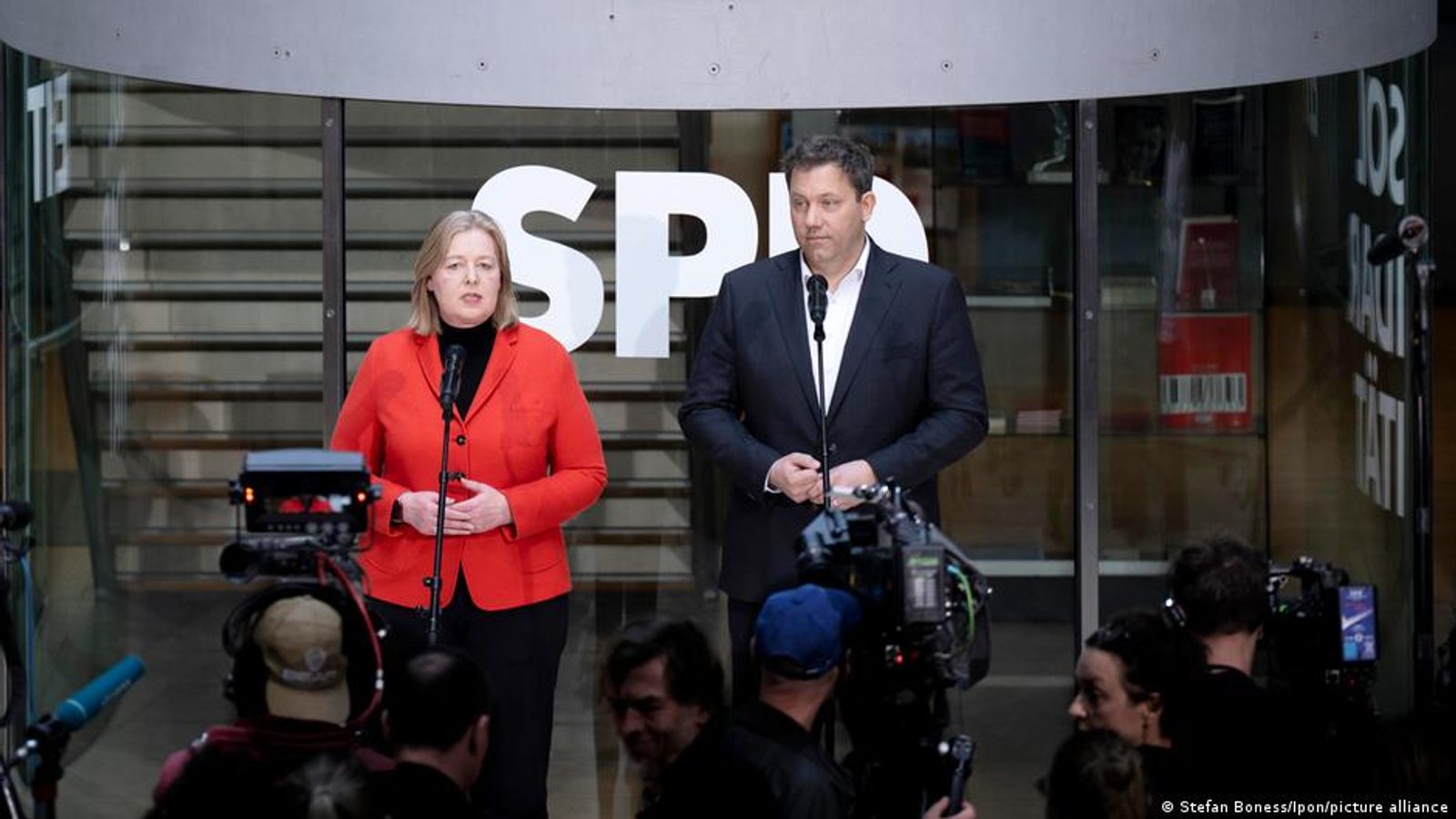
Internal pressure on the party is growing. Some SPD members have asked for an extraordinary party congress in the autumn and a complete overhaul of the leadership. Berlin MP Orkan Özdemir, co‑chair of the SPD working group on migration and diversity, summed up alarm: "I see a party that is dying."
Senior figures who also serve in government posts, notably Labour Minister Berbel Bass and Finance Minister Lars Klingbeil, face criticism for being too aligned with Chancellor and CDU leader Friedrich Merz. Bass conceded after earlier defeats: "We have lost the trust of voters because the SPD, on many issues, did not want to offend anyone." Klingbeil, while acknowledging the debate, urged calm: "We are at 12 percent and live in very turbulent times. I am aware that with some decisions taken at the federal level I ask a lot of my own party," he said.
Wider trends worry strategists: a Forsa analysis from November 2025 found only nine percent of workers and the unemployed would now vote SPD, while an Infratest‑Dimap study from February 2025 reported that 38 percent of workers support AfD. For the SPD the immediate challenge is to rebuild a distinct political profile ahead of five state elections scheduled in 2026 — a super‑election year that already produced poor results in Baden‑Württemberg and Rhineland‑Palatinate.
Photo: press material from the event