Serbia holds snap parliamentary elections on 25 October
Elections on 25 October pit 18 lists and 2,418 candidates against the backdrop of protests after a Novi Sad station collapse that killed 16.
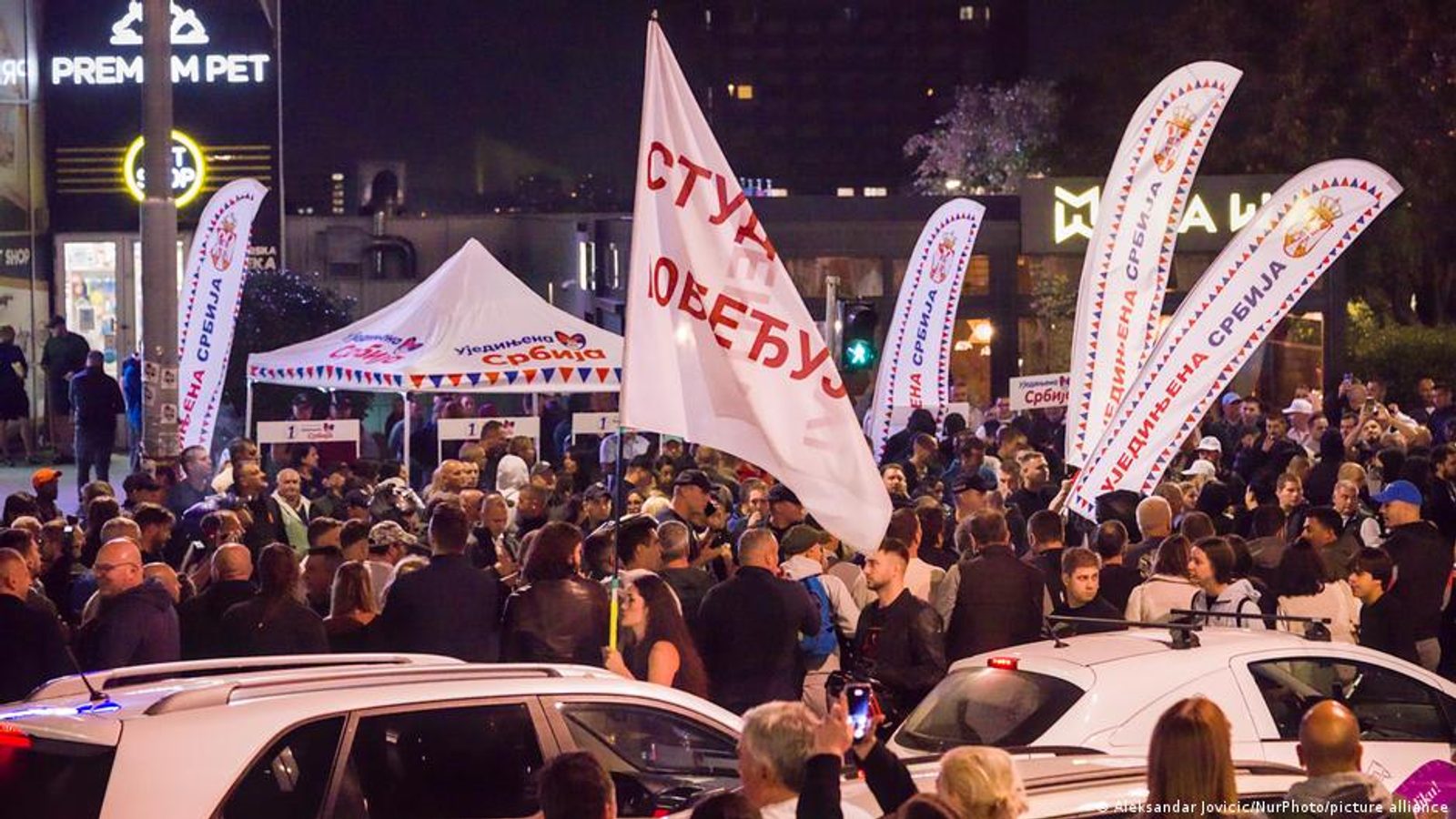
On Sunday, 25 October, Serbia holds snap parliamentary elections — the third national vote in five years — in a campaign shaped by months of anti-government unrest that followed the November 2024 collapse of a canopy at Novi Sad railway station which killed 16 people.
Toplines and turnout figures
According to official figures, Serbia has 6,647,003 inhabitants recorded in the 2022 census. The Republic Electoral Commission (RIK) has registered 6,450,523 eligible voters for this ballot, some 50,000 fewer than at the December 2023 elections.
Voting will take place at 8,392 polling stations across the country, including 93 abroad. Polling runs from 07:00 to 20:00 Central European Time. Although the number of registered voters abroad is a record and nearly three times larger than at the last contest, the government declined — without public explanation — to open polling places in dozens of cities where they had been available previously; among them are Bucharest, Sofia and Thessaloniki, as well as Vancouver, Graz and Istanbul.
The ballot features 18 lists and a total of 2,418 candidates competing for 250 parliamentary seats. Lists must reach at least 3 percent of the vote to enter parliament; nine minority lists are subject to a lower threshold. Despite the double-digit number of lists, the campaign has taken on an almost referendum-like character.
The vote is widely seen as the most consequential test of Aleksandar Vučić's 14-year rule. Vučić stepped down from the presidency in September in order to lead the list of the ruling Serbian Progressive Party (SNS). Much of public support appears divided between the SNS-led slate and a Student List that emerged from protests after the Novi Sad tragedy.
Election observation is substantial: RIK says 26 domestic associations have registered more than 15,000 observers in total, while 57 foreign organizations are sending over 600 observers. Domestic groups with large contingents include Kreni-promeni, MIM, IT Blockade, CRTA, Guardians of Victory and Citizens on Watch; CeSID is expected to field between 500 and 1,000 observers. International missions include the OSCE Office for Democratic Institutions and Human Rights (ODIHR), the European Parliament, the Parliamentary Assembly of the Council of Europe and OSCE delegations.
Concerns about the accuracy and fairness of the process persist. An investigation found that more than 500,000 people are eligible to vote despite lacking a precisely registered address in the electoral roll, raising questions about the voters list even as authorities insist it is the most up-to-date. Domestic and international monitors have warned of possible abuses and inconsistencies: ODIHR’s pre-election assessment described the process as taking place amid a prolonged political crisis and polarisation, while the observer group CRTA warned that the campaign has unfolded with restrictions on freedoms and growing inequality among contestants.
Photo: press material from the event