Expert committee: Strumica mother's neurological condition not caused by spinal anaesthesia
Panel of national and foreign specialists concluded the paralysis was not caused by spinal anaesthesia and advised further testing and continued rehabilitation.
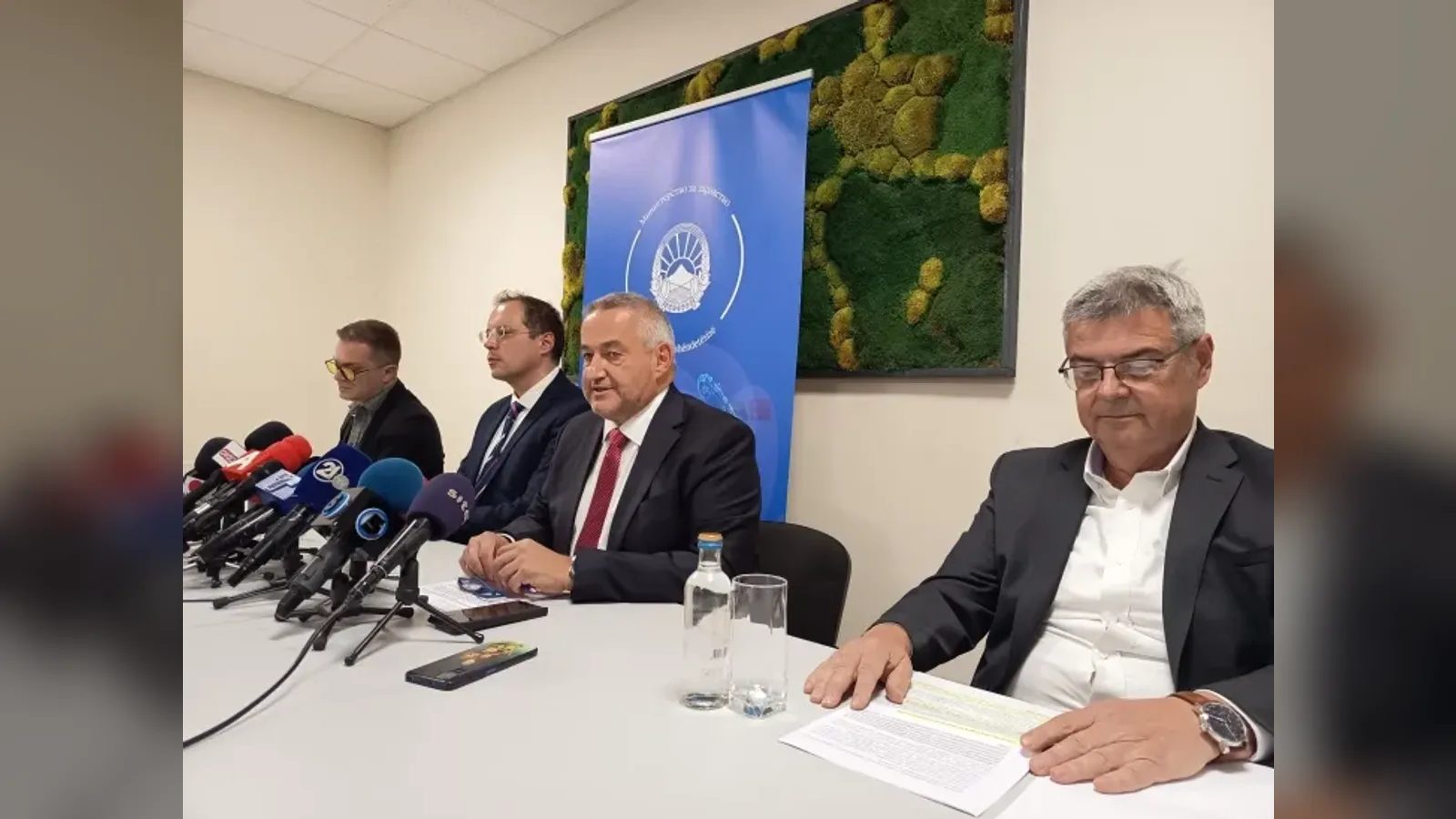
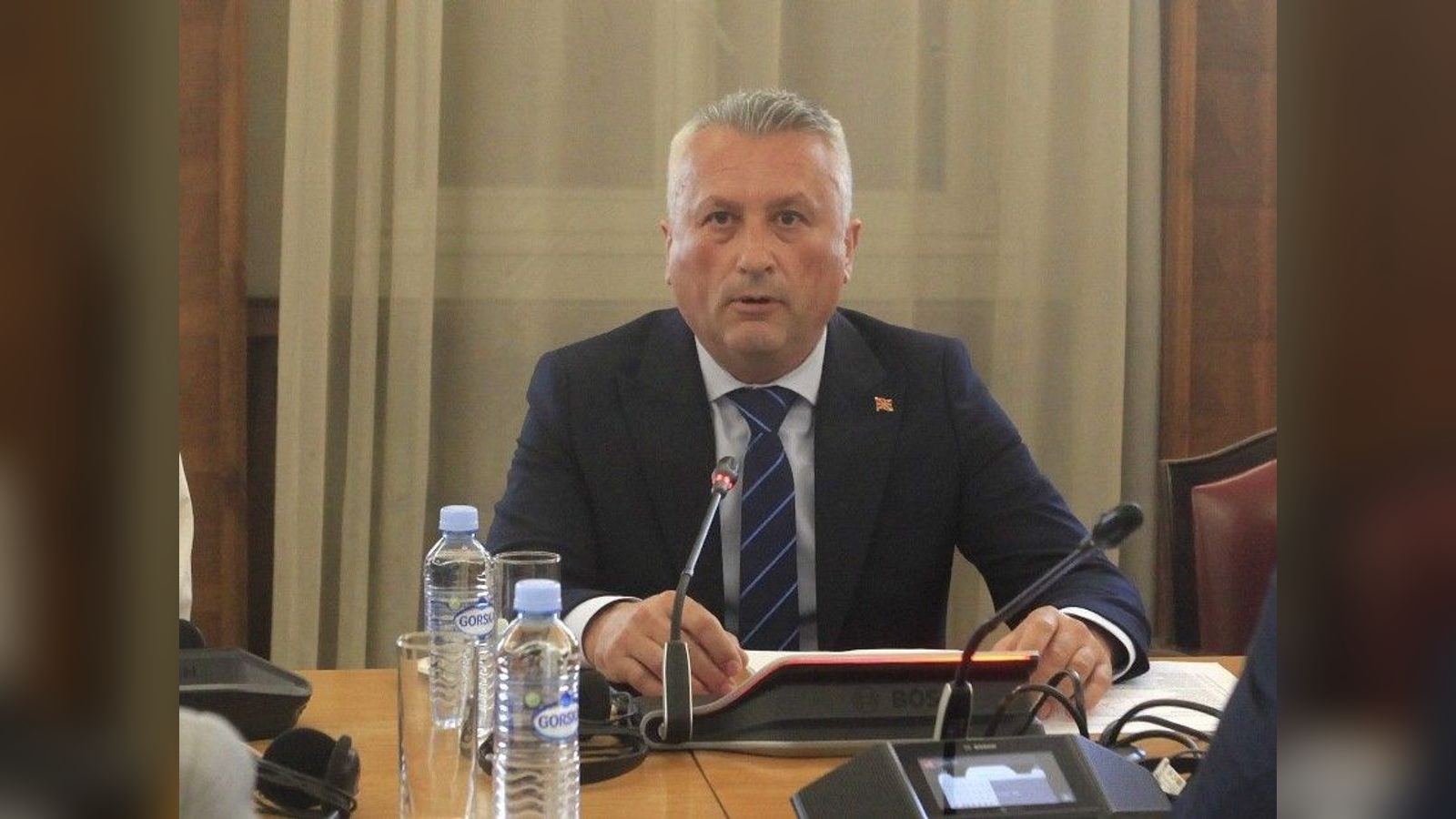
An independent expert committee appointed by the health minister has concluded that the neurological deterioration and subsequent paralysis of the woman from Strumica were not caused by the spinal anaesthesia administered during delivery, nor by medical error in any of the health institutions involved, Minister Sasho Klekovski announced at a press conference.
Findings, tests and next steps
The panel reviewed the full medical records from the three hospitals involved, magnetic resonance imaging scans and additional clarifications requested from the treating hospitals; each member reported separately on their area of expertise and the conclusions were adopted unanimously.
According to the committee, the most likely explanation is spontaneous bleeding from a rare vascular malformation located higher in the spinal cord — a lesion that could not be identified on the angiography performed at the Clinic of Neurology. The exact cause remains unconfirmed and the committee recommended completing diagnostic work-up when the patient’s condition allows, and continuing rehabilitation with regular neurological follow-up.
Minister Klekovski said he personally selected the physicians on the panel to ensure none had personal contact with the patient, “only to secure maximum objectivity.” He also summarised the committee’s assessment that prenatal care, the referral to Clinical Hospital – Shtip, the Caesarean section, anaesthesia and immediate postoperative monitoring were carried out according to existing protocols and good clinical practice.
“The committee for professional oversight formed by me has completed the review of the treatment of the mother from Strumica and unanimously concluded that her neurological condition is not a consequence of spinal anaesthesia applied during the delivery, nor of medical error in any of the health institutions where she was treated. She was treated at General Hospital Strumica, at Clinical Hospital – Shtip and at the Clinic of Neurology in Skopje. Essentially, I personally believe, and I have stated it several times, that every case, especially such a case with allegations of possible medical error in a mother, deserves the highest degree of attention and the utmost caution as our personal approach to the patient, and we approached this matter very seriously,”
Klekovski also noted that the spinal anaesthesia had been administered at the usual lumbar level, with standard drug and dose, while the bleeding and changes were identified much higher in the thoracic segment of the spinal cord. Postoperative recovery had been uneventful and the patient was discharged without documented neurological symptoms; the neurological deficits appeared several days later.
Panel membership and timeline: the commission was formed on 19 August 2026 at the proposal of the State Sanitary and Health Inspectorate and included five specialists, two of whom are from abroad: Dr. Igor Samardziski (obstetrician–gynecologist, University Clinic for Gynecology and Obstetrics – Skopje, chair); Dr. Goran Rondović (anesthesiologist, Head of Anaesthesiology Clinic, Military Medical Academy – Belgrade); Dr. Dejan Georgiev (neurologist, Head of Neurology Department, University Clinical Center – Ljubljana); Dr. Mikun Mikunović (neurosurgeon, Special Hospital "St. Erasmus" – Ohrid); and Dr. Dejan Daskalov (radiologist, University Institute for Radiology – Skopje).
The obstetrician Dr. Igor Samardziski explained that the patient had been referred to a higher-level hospital because the local team judged the pregnancy to be high risk once labour began; the Caesarean section was performed routinely and the patient was discharged in good condition after the standard postoperative four days. When neurological symptoms appeared two days later, treatment began at General Hospital Strumica and the patient was subsequently transferred to the Clinic of Neurology in Skopje after deterioration.
Neurosurgeon Mikun Mikunović said the documentation shows bleeding in the thoracic spinal cord on MRI but the precise reason for the haemorrhage has not yet been established; he suspects an abnormality in the formation of blood vessels that bled incidentally and is not related to the act of anaesthesia or the Caesarean section. He underlined that literature and clinical experience do not describe thoracic spinal cord haemorrhage as a complication of lumbar puncture or spinal anaesthesia.
Minister Klekovski added that the problem could not have been diagnosed in advance and that angiography — performed after the event and considered the gold standard — did not reveal a treatable cause. He also visited the patient at the University Rehabilitation Clinic in Kozle, where she had been for 30 days after discharge from Neurology and had shown progress, including assisted verticalisation.
Photo: press material from the event