Strumica among North Macedonia's most polluted rivers — measurements at Novo Konjarevo
UHMR measurements flag elevated nutrients and sewage near Novo Konjarevo; low flows and agricultural runoff worsen impacts.
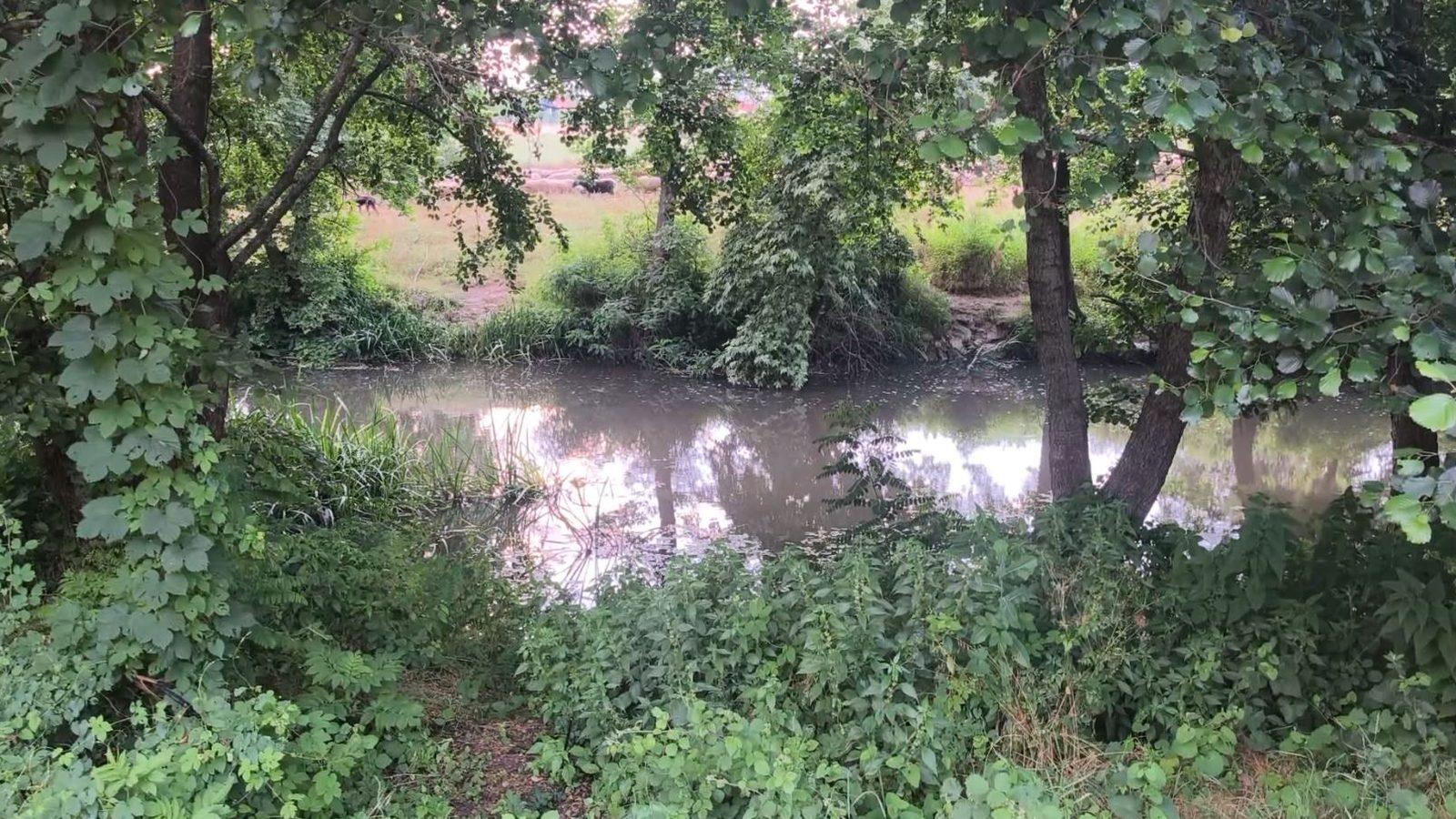
The Strumica River is listed among the most polluted rivers in North Macedonia in comparative analyses by the Hydrometeorological Service (UHMR). The measurements single out two spots with particularly poor water quality: the Crna River at the Skochimir gauge and the Strumica at Novo Konjarevo, where elevated levels of nutrients — notably phosphates and, at times, nitrites — have been recorded.
Pressure from sewage, farming and shrinking flows
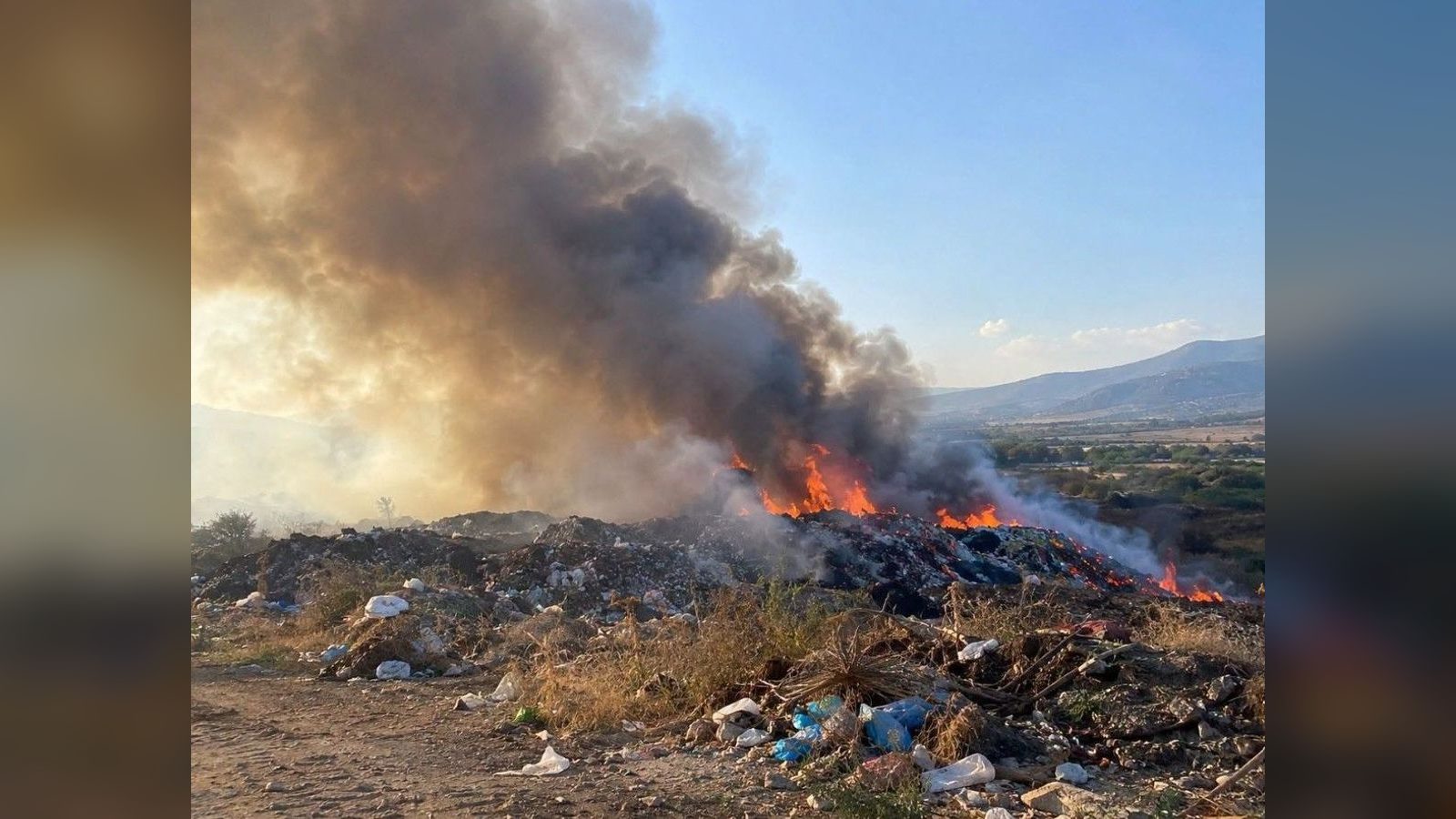
Local residents point to concrete sources behind those laboratory numbers. Sewage from villages without proper sewer systems, direct discharge of wastewater and insufficient treatment are named as key contributors. In the agricultural plain additional loading comes from fertilizers and crop protection chemicals that run off into fields and eventually into the river.
“Well, the river is relatively polluted, I think that a large part of the sewage from those villages that gravitate either directly or indirectly enters it. At the age when I was a child, I know that in that river there were many species of fish, now very few. And they come from time to time downstream from the Struma River, whether they come to spawn or not, I don't believe that our water is favorable for them to be here,” says Trendafil Zlatinov, a resident of Novo Konjarevo.
The stream of the Strumica at the outlet from Novo Konjarevo lies roughly 100 metres from the border with Bulgaria, where the river continues its course. Periods of low flow make the pollution problem worse rather than better: lower water volume reduces the river's capacity to dilute contaminants, experts warn.
“Climate change may not create the pollution of the Strumica River, but it can amplify the effects of already existing pollution. When there is less water in the river, its capacity to dilute pollutants is smaller. At the same time, agriculture has greater needs for water, especially in dry periods. That creates additional pressure on the same limited resource,” say representatives of Eko-svest.
Protecting the Strumica therefore requires more than cleaning up the water. Addressing the problem means improving sewer infrastructure, treating municipal wastewater, promoting more sustainable water use in agriculture and preparing for the hydrological impacts of climate change so the river can better withstand existing pollution pressures.
Photo: press material from the event