Sarajevo derby 19.800 vs Shkendija–Vardar 1.500: attendance gap exposes challenges
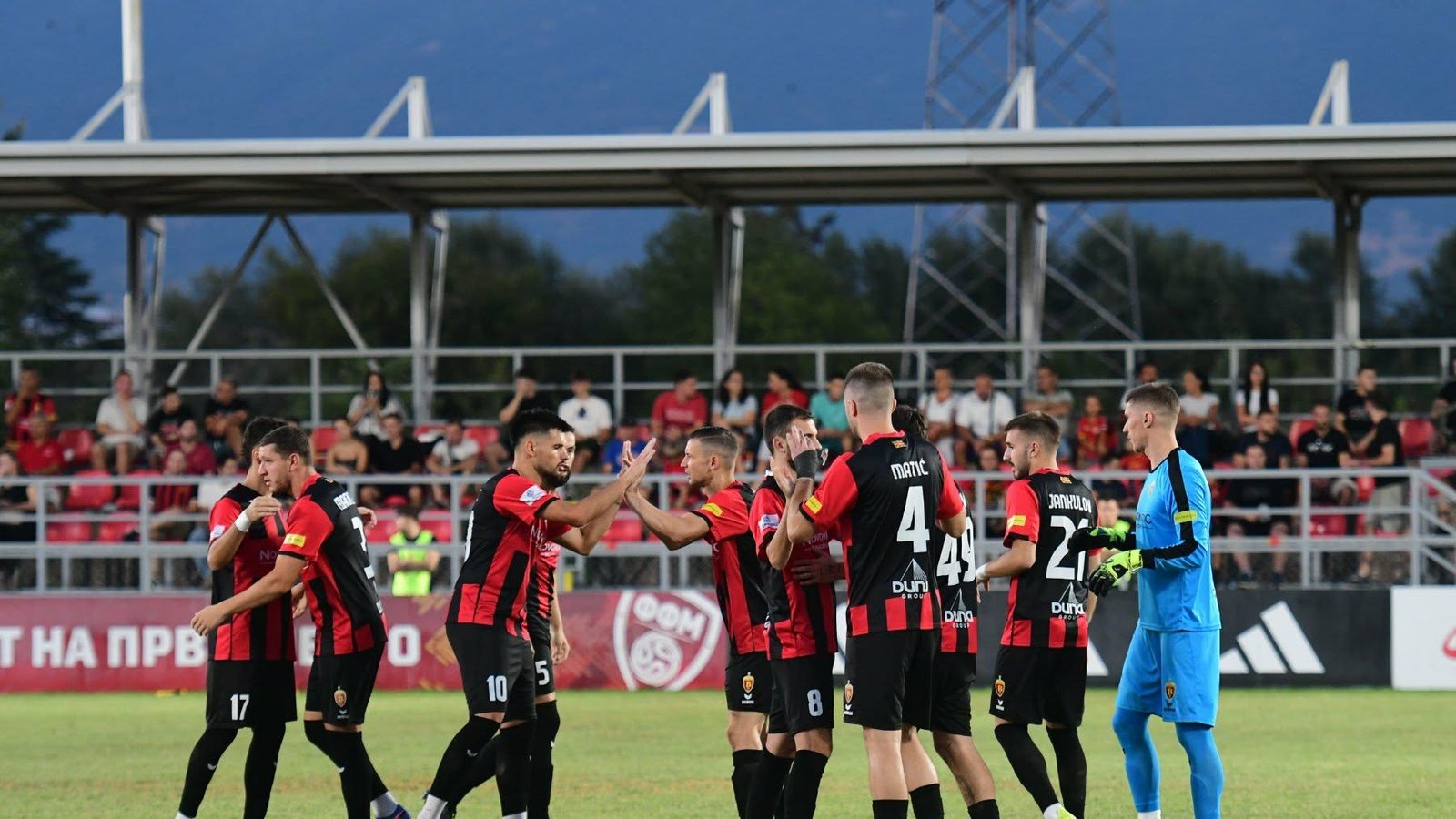
Sarajevo drew 19.800 at Koševo on 25.10.2026, while Shkendija–Vardar in Gostivar finished 0-0 before about 1.500 spectators.
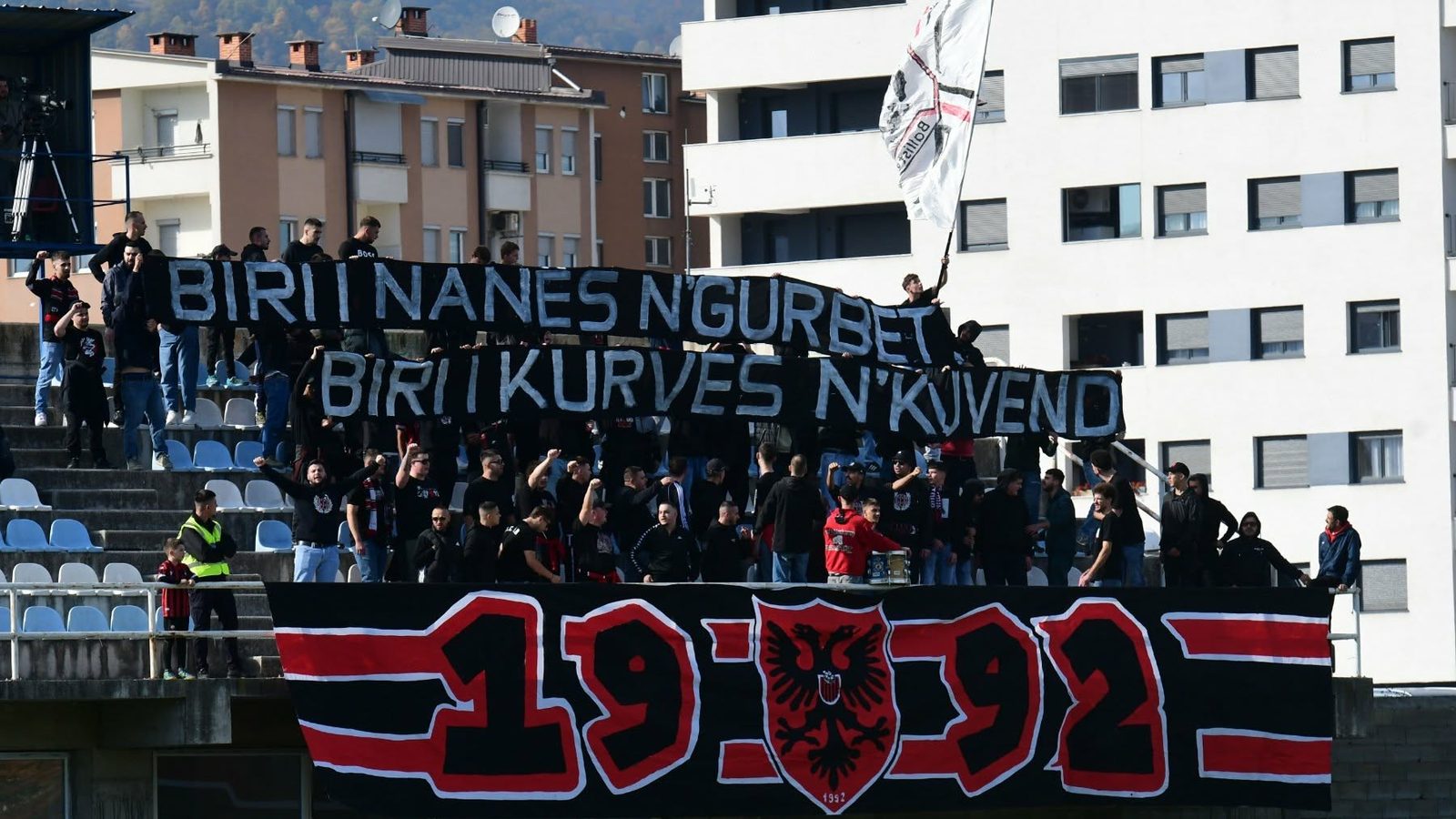
On 25.10.2026 a stark contrast in regional football attendance was on display: the Sarajevo "eternal derby" between Sarajevo and Željezničar at Koševo drew nearly 20,000 spectators — official figures put the crowd at 19.800 — while the big Macedonian derby between Shkendija and Vardar in Gostivar finished 0-0 and attracted roughly 1.500 fans.
What the gap says about club football
The difference is striking: the Sarajevo fixture pulled in almost 15 times more people than the Shkendija–Vardar match. That scale of divergence raises immediate questions about the appeal of domestic club football in North Macedonia compared with neighbouring markets.
Several concrete issues come into focus: the perceived quality of the product on the pitch, stadium infrastructure and accessibility, matchday organisation and ticketing, and the way clubs and authorities build atmosphere and promote flagship encounters.
Both Shkendija and Vardar are among the clubs in North Macedonia with the largest supporter bases, which makes the low turnout in Gostivar particularly notable. When a derby between two of the country’s best-supported sides goes ahead before about 1.500 spectators, the gap with Sarajevo’s 19.800 becomes, in practical terms, worlds apart.
Addressing the imbalance will likely require coordinated steps from clubs, the Football Federation and local authorities: better promotion, improved stadium facilities and transport connections, clearer ticketing policies and more investment in the matchday experience.
Whether the attendance figures of 19.800 in Sarajevo and roughly 1.500 in Gostivar will prompt concrete changes remains to be seen, but the numbers laid out on 25.10.2026 underline a challenge for Macedonian club football to close if it wants to regain larger domestic audiences.
Photo: press material from the event