Sveta Petka: the pogacha-crumb custom that brings love to unmarried women and calm to the home
On October 27 families observe slava rituals, save pogacha crumbs for peaceful sleep and visit healing springs like the one at the Church “Sveta Petka” in Skopje.
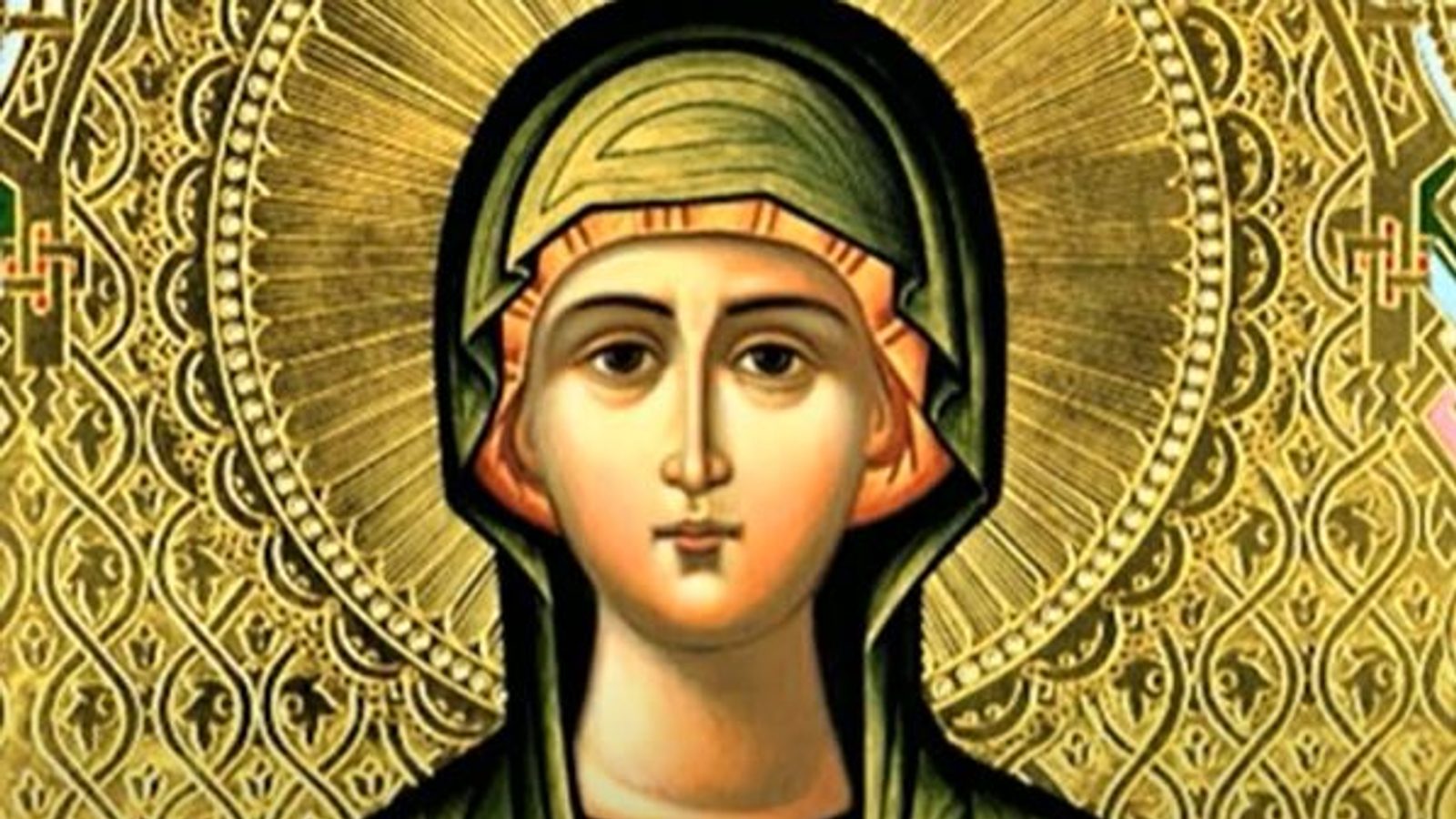
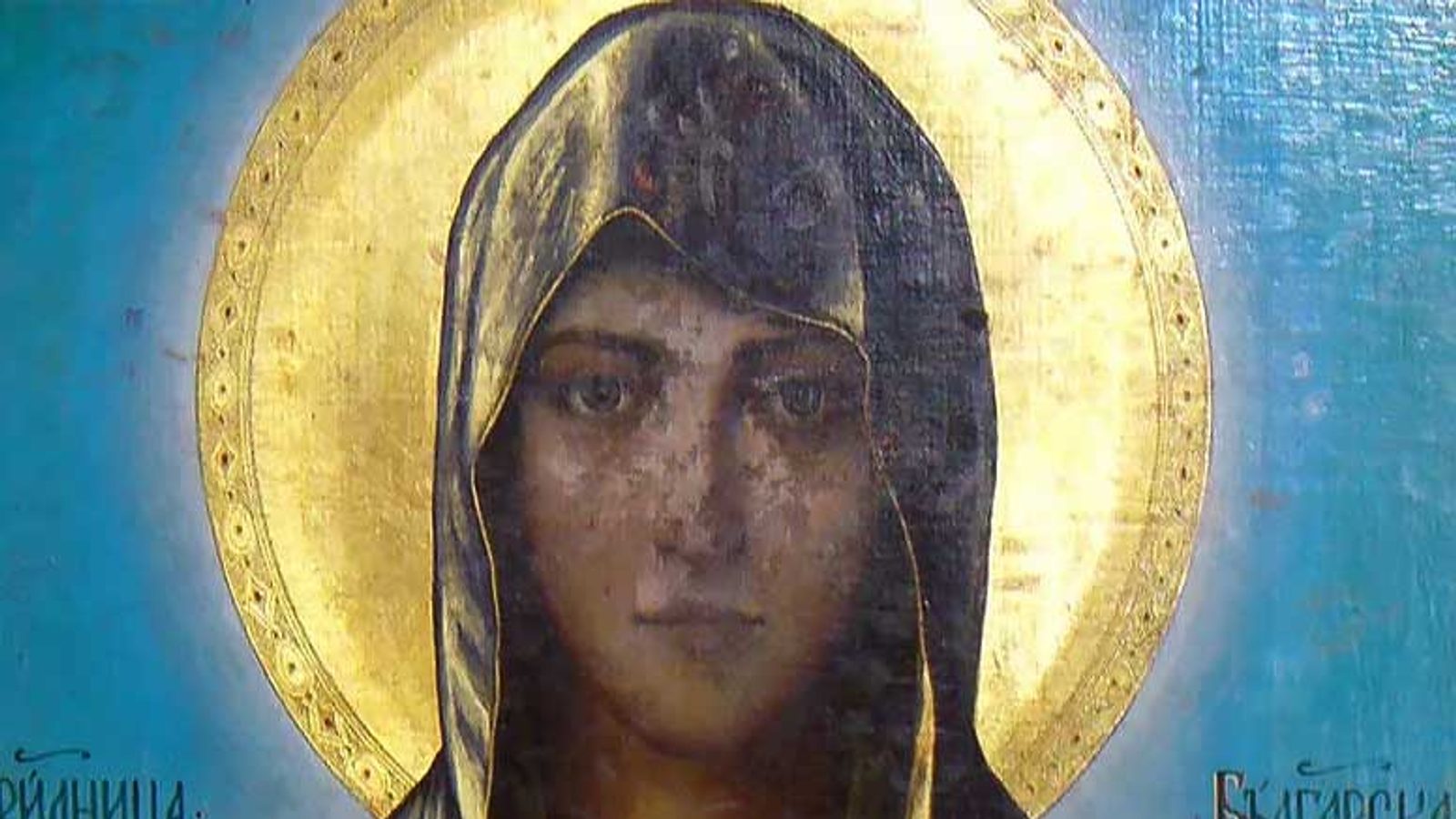
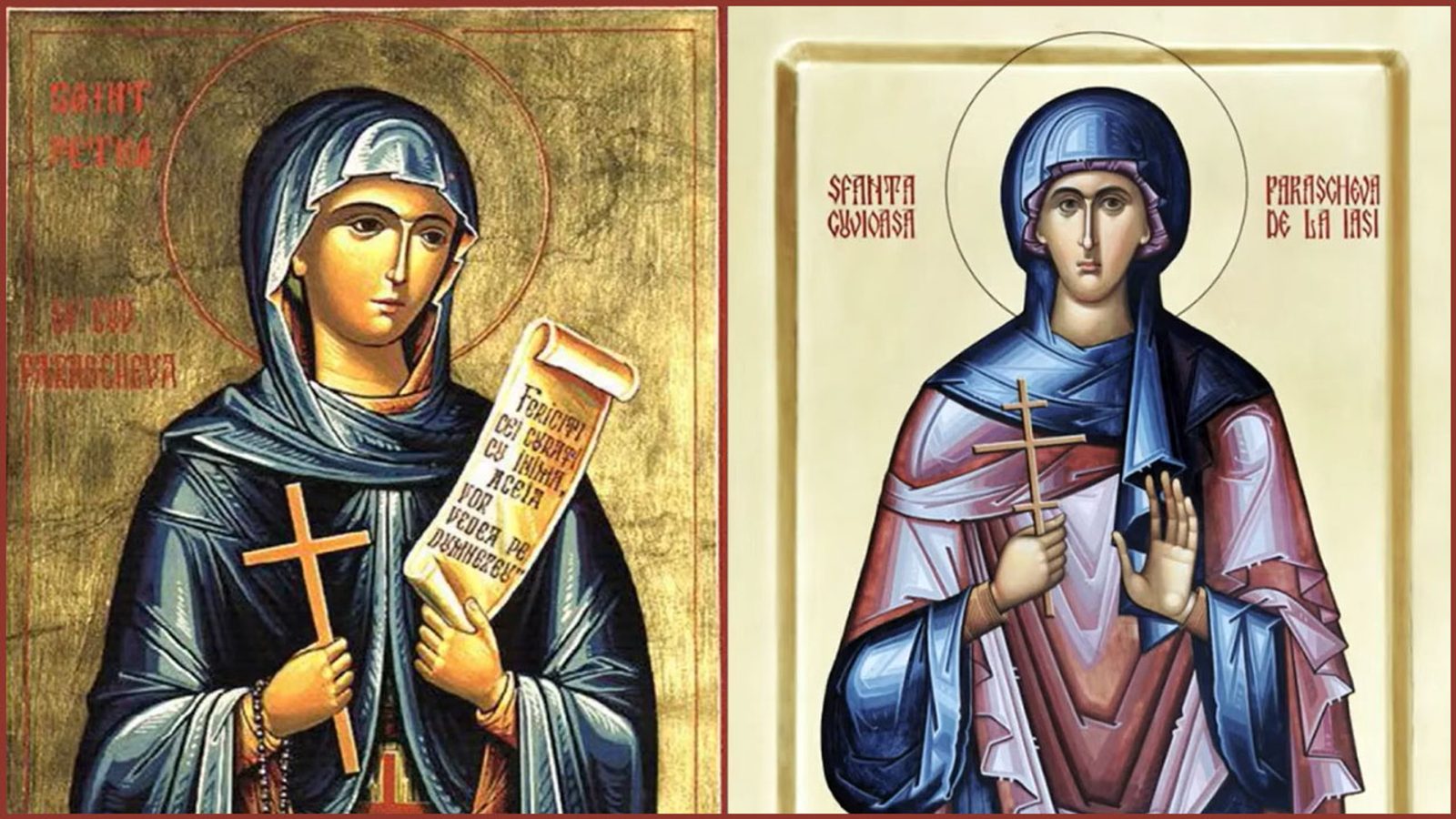
On October 27 Orthodox Christians observe the feast of Sveta Petka, a day marked by prayer, family gatherings and a number of home rituals that mix faith and folk tradition.
Many households refrain from heavy domestic chores—especially washing and sewing—to honour the sanctity of the day. In homes where Sveta Petka is the patronal feast, families prepare a slava bread (pogacha), burn incense, light a candle and pour wine as part of the observance.
Household rites: crumbs, wheat and healing water
It is common for hosts to prepare pchenitsa (boiled wheat), which is blessed at church and shared among those present as a sign of wellbeing and fertility. Another widely practised custom is saving crumbs from the slava bread: women or young unmarried girls scatter these crumbs around the house or tuck them under a pillow, believing they bring peaceful sleep and, for the unmarried, the chance to see a future husband in a dream.
Beyond domestic rites, Sveta Petka is linked to traditions around healing springs. Pilgrims visit shrines and fountains—among them the Church “Sveta Petka” in Skopje—and wash or drink the water, seeking cures, particularly for eye ailments. Many take bottles of this water home as a household blessing.
Women often bring flowers to the saint's icon, and in several communities people give alms or food to the poor in the spirit of the feast. In rural areas some still gather medicinal herbs on this day, believing that plants collected with prayer hold greater healing power. Stories of the saint’s life and miracles are retold at family gatherings, keeping the spiritual and cultural links alive.
Photo: press material from the event