St. John the Baptist: why September 11 is observed with a strict fast
Orthodox faithful keep a water-only fast on September 11 to honor the martyrdom of St. John and to avoid customs linked to the crime.
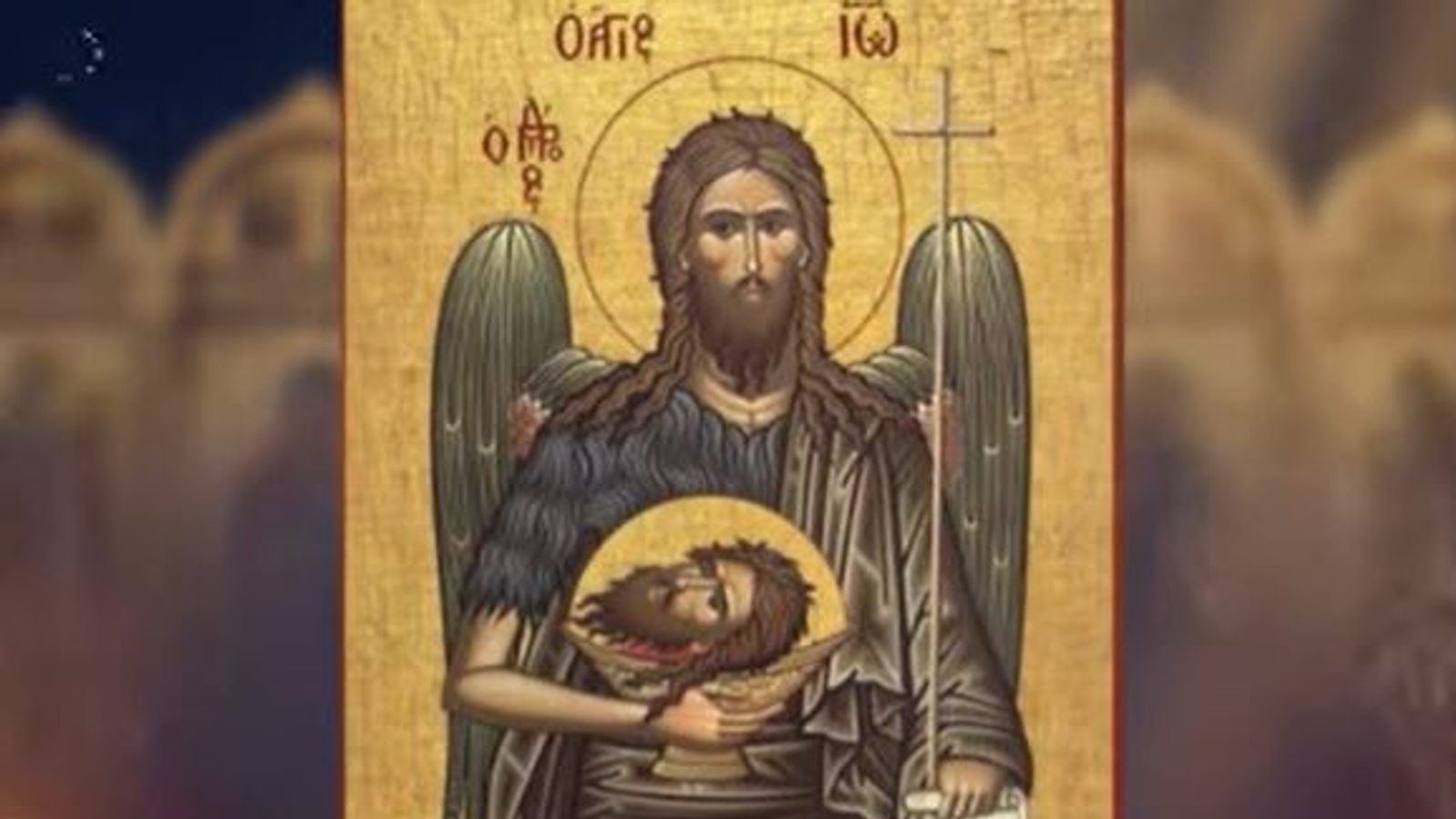
On September 11, Orthodox Christians commemorate the beheading of St. John the Baptist — an event observed with one of the strictest fasts in the liturgical year. The day is traditionally kept as a water-only fast and remembered as both a mourning of the martyr and a warning against vice.
How the killing is remembered
Church tradition and historical accounts attribute the execution to a chain of passion, illicit marriage and moral rebuke. According to the narrative, Herod Antipas divorced his lawful wife (the daughter of the Arab prince Aretas) and married Herodias, the wife of his still-living brother Philip. John openly denounced that union, and Herod imprisoned him in a dark cell.
The story continues that during a drunken banquet at Sebastia, Herodias's daughter Salome danced before the guests. Carried away by the dance, the intoxicated Herod promised her whatever she wished, even half his kingdom. Urged by her mother, Salome asked for "the head of St. John the Baptist" to be brought to her on a platter. Herod ordered John's execution in prison.
Orthodox and later accounts emphasize that divine or fateful punishment soon followed. The offended prince Aretas attacked Herod and routed his forces. Later, the Roman emperor Caligula condemned Herod and Herodias to harsh exile — reportedly first in what is today France and then in Spain — where, the tradition says, they lived in poverty until the earth opened and swallowed them alive. Salome is said to have perished in a terrible accident on the river Sikoris when ice and cold supposedly separated her head from her body, echoing the grim demand she once made.
Because of the severity of the event and the martyrdom of the saint, church canons and folk practice prescribe strict observance on September 11: no meat, no dairy, and no oil — meals prepared only with water. In some Slavic customs people avoid using a knife or cutting food into circular shapes (a reminder of the severed head), and they refrain from wearing red or carrying red items that symbolize spilled blood.
The day is also marked by restraint from celebration. Since the crime took place amid drunken revelry, believers traditionally avoid parties, music, singing and games on this date as a sign of respect and penitence.
Photo: press material from the event