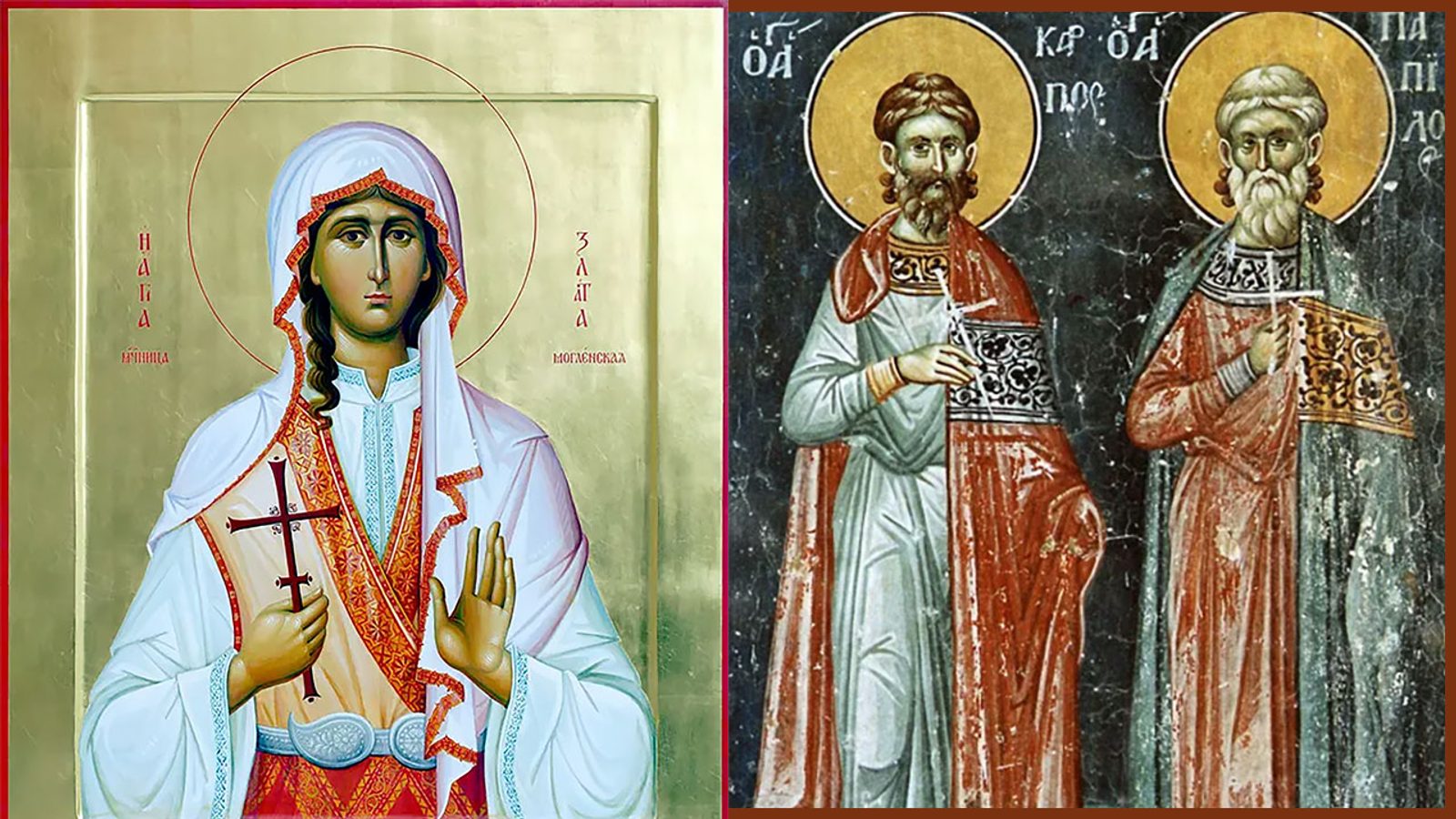
Saint Longinus the Centurion — a day for a candle, prayer and a good deed
Commemoration of Longinus the Centurion — traditions ask the faithful to light candles, pray and help the first person they meet after church.
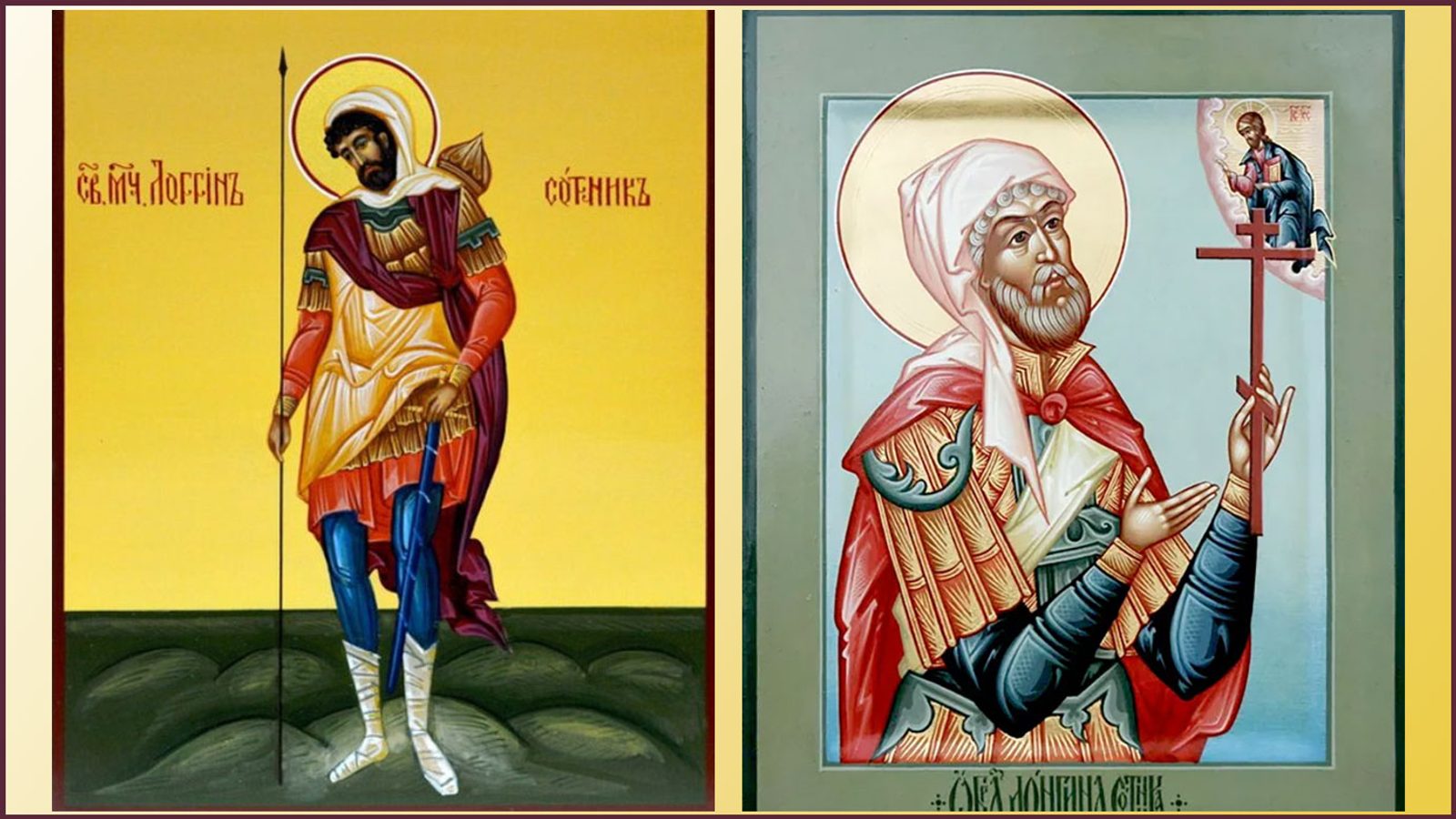
Today the Macedonian Orthodox Church and many believers mark the remembrance of Saint Longinus the Centurion, the Roman officer who is recorded in Christian tradition as one of the earliest witnesses to Christ’s passion, crucifixion and resurrection.
According to the Ohrid Prologue of Bishop Nikolaj Velimirović and longstanding church tradition, Longinus was the centurion in charge of the soldiers who stood guard at Jesus’ crucifixion on Golgotha and later at His tomb. When Jewish elders tried to bribe the guards to spread the false story that Christ’s body had been stolen, Longinus refused to participate.
After refusing bribery and remaining true to the truth of the Resurrection, Longinus covertly left Jerusalem. He removed his military belt, crossed himself before the apostles and traveled to Cappadocia, where he dedicated himself to fasting, prayer and preaching — converting many who had not previously believed.
Return, martyrdom and a miracle
Later he withdrew to his family estate, but the hostility that once pursued him followed. Pontius Pilate sent soldiers to execute Longinus; when they arrived they did not recognise him and he received them as a guest. That night he prayed and prepared for death; at dawn he revealed himself, led out two companions, dressed in white burial garments and pointed to the grave he desired. The soldiers were ashamed and initially refused, but Longinus insisted they carry out the sentence.
After his execution, his head was brought to Pilate and handed to the Jewish authorities. A blind widow found the relic on a refuse heap in Jerusalem; when she touched it she was miraculously restored to sight. These episodes are central to the saint’s hagiography and to the popular memory surrounding the feast.
Although this day is not marked in red letters on the church calendar, popular belief attaches several customary practices to it. Faithful are encouraged to go to church, offer prayer and light a candle for the health of all people. Tradition also prescribes that on the way home from the church you should help the first person you meet; this act of charity is believed to draw down health and blessing to the household. The day is also regarded as an opportunity for inner reflection, prayer and deliberate good works performed with a pure heart.
Photo: press material from the event