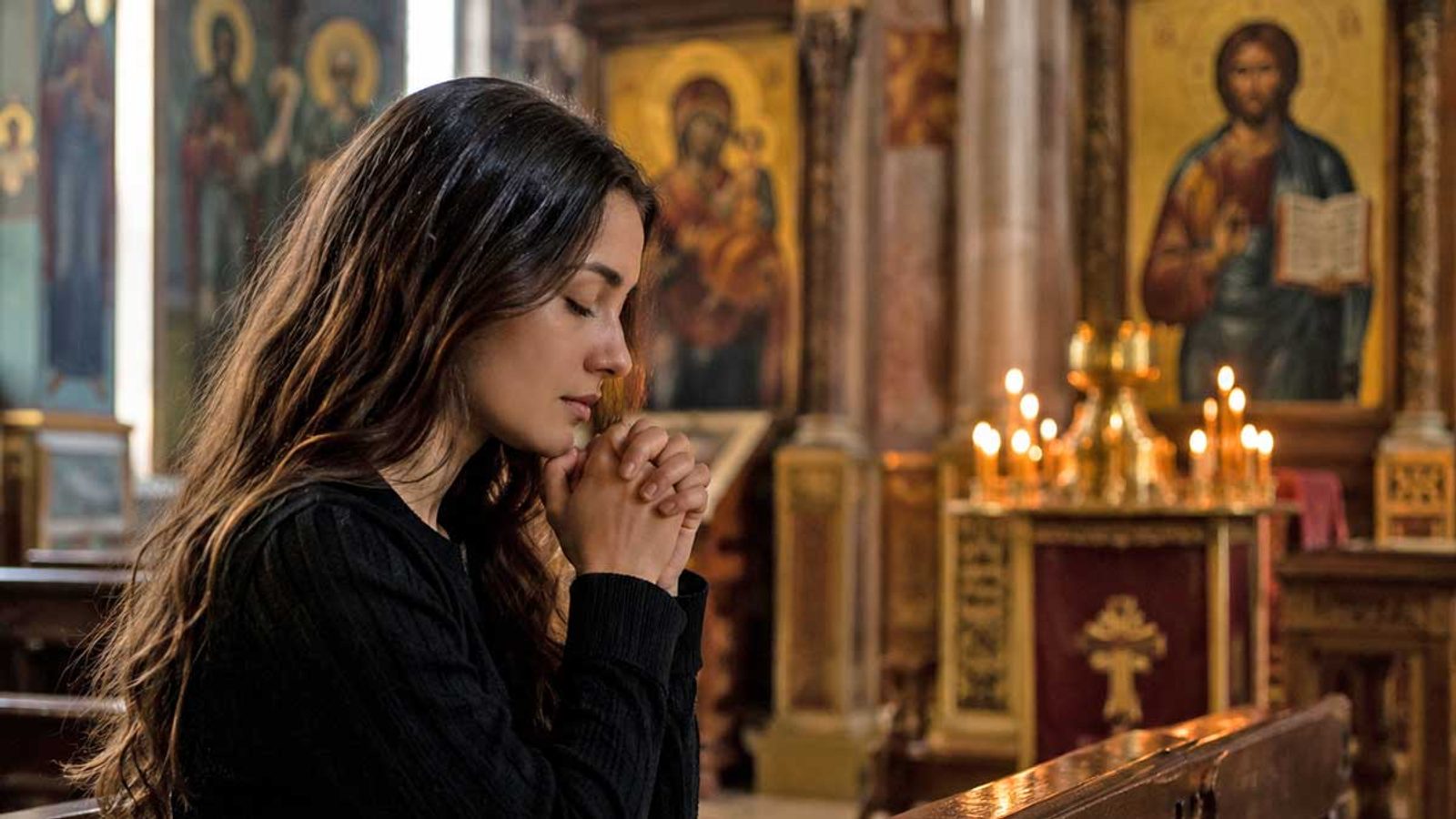
Sveti Tadej: day for prayer, mercy and small good deeds
Orthodox tradition links Sveti Tadej to Edessa and the healing of Prince Avgar; the day is marked by prayer, charity and popular customs.
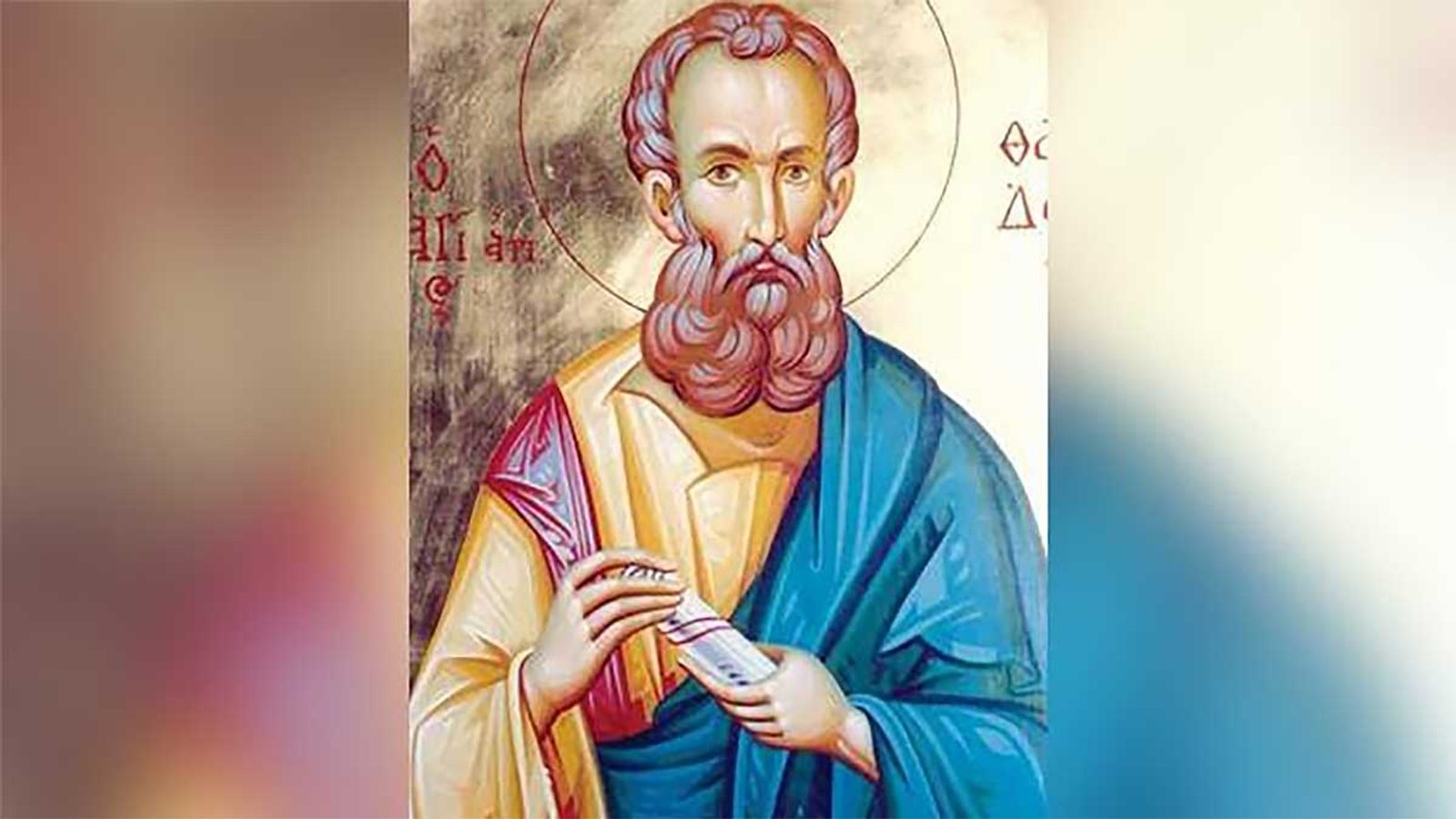
Sveti Tadej is commemorated today by the Orthodox faithful as one of the Seventy Apostles, distinct from the Thaddeus among the Twelve. Remembered for his preaching and healing miracles, his life is linked in tradition with the ancient city of Edessa and the cure of its ruler Avgar.
Legends, customs and a simple challenge for the day
According to tradition, Sveti Tadej first heard John the Baptist and received baptism from him before following Jesus, who counted him among the Seventy. After Christ’s Resurrection and Ascension, Tadej returned to Edessa, his homeland, where his arrival is associated with the story of a holy cloth sent to Prince Avgar and the ruler’s subsequent recovery from a plague.
When Tadej met Avgar, he instructed and baptized the prince; the last traces of the sickness vanished from Avgar’s face as he left the water and was entirely healed. Inspired, Avgar invited the citizens of Edessa to hear the apostle. Seeing their healed ruler and listening to Tadej’s words, many abandoned their idols and embraced the Christian faith. When the prince offered Tadej a chest of gold as thanks, the apostle refused, saying: "When we gave up what was ours, how can we accept what is another's?"
The apostle continued to preach tirelessly through Syria and Phoenicia and is said to have reposed in the town of Virit in Phoenicia. The day has been observed in popular custom as a time for prayer, care and small acts of mercy that protect families from illness and misfortune if offered with sincerity.
Popular tradition contains many rules about what should or should not be done on a saint’s day, but most of these are not part of official church teaching. It is not strictly forbidden to cook, clean, wash or carry out everyday chores; the emphasis is on spending part of the day in prayer, family, gratitude and calm rather than on fear of committing a sin by doing ordinary work.
Those observing the day are encouraged to perform at least one good deed: help an elderly relative, call someone who is lonely, visit a sick person, or offer a comforting word to someone in difficulty. The message of the tradition is that small acts of kindness matter and are central to the Christian life.
Other commemorations on this day include the martyrs Sveta Vasa and her sons Theognis, Agapios and Pist, and the venerable Avramij Smolenski, a monastic founder and ascetic reputed to have prayed for rain during a severe drought and who died around 1220.
Photo: press material from the event