WHO and ECDC warn two hospital bacteria show high antibiotic resistance across Europe
Joint WHO–ECDC report finds ≥50% resistance in key antibiotics in samples from roughly half of reporting countries, complicating treatment of severe infections.
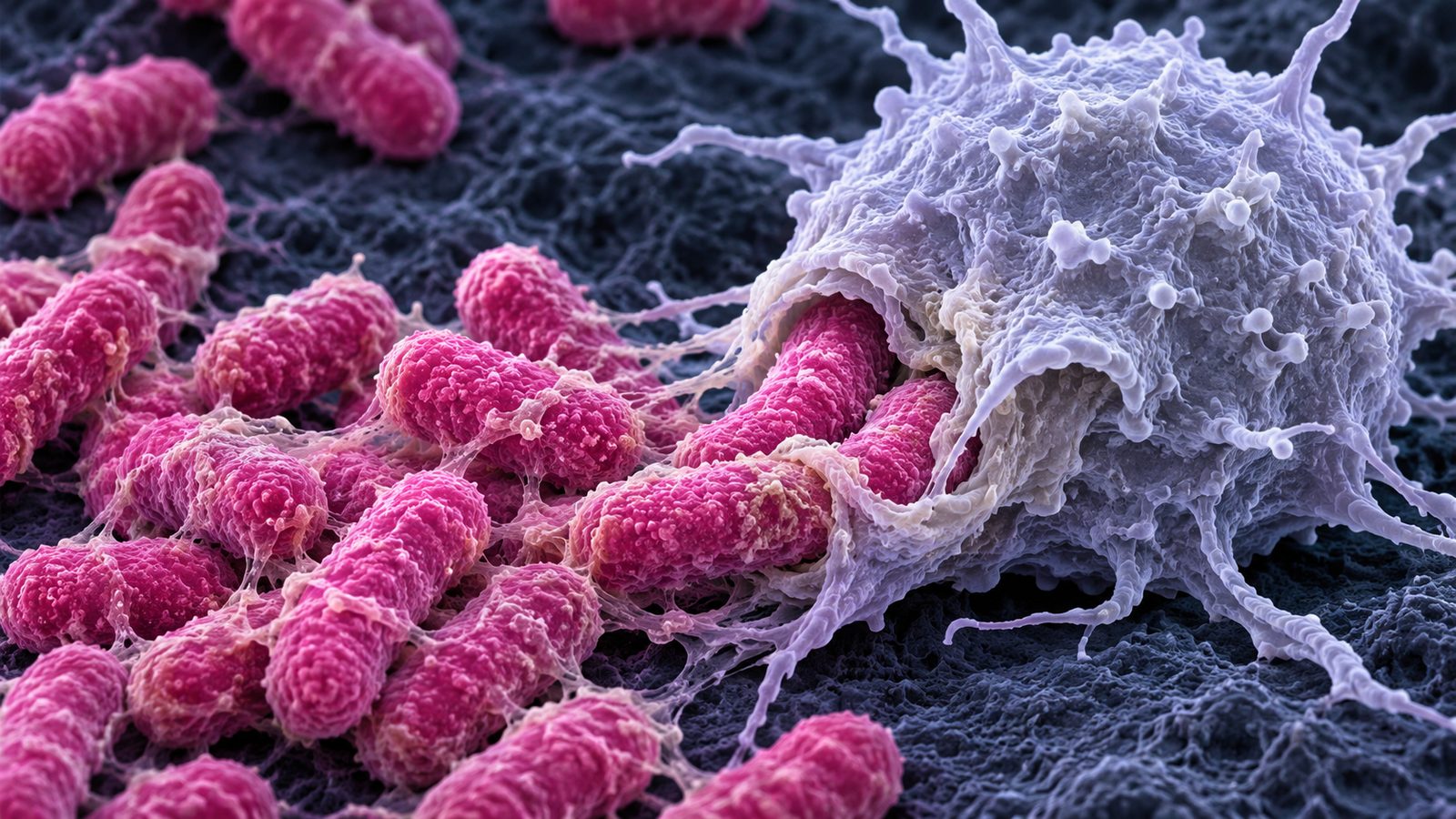
A joint report by the World Health Organization (WHO) and the European Centre for Disease Prevention and Control (ECDC), published on 18 November, shows that two dangerous hospital bacteria are highly resistant to key antibiotics in about half of the European countries that submitted data. The finding complicates treatment of severe infections and narrows therapeutic options for hospitalized patients.
Scope and key figures
According to the 2025 surveillance data analysed in the report, Klebsiella pneumoniae and Acinetobacter spp. are the main concerns. In 21 of 43 reporting countries at least half of the laboratory-tested Klebsiella isolates were resistant to third‑generation cephalosporins, a commonly used group of antibiotics. For Acinetobacter, 21 of 38 countries reported that at least half of tested isolates were resistant to carbapenems, the powerful antibiotics reserved for severe infections when other drugs fail.
The report also finds that in 10 of 43 countries at least half of tested Klebsiella isolates were resistant to carbapenems, further shrinking available treatment options because remaining last‑resort antibiotics are often costly and not universally available.
The data from the European Union show a steep rise in the most severe Klebsiella infections: the estimated frequency of carbapenem‑resistant Klebsiella bloodstream infections increased by 72 percent between 2019 and 2025. The European target aims to reduce such infections by 5 percent by 2030.
National surveillance in North Macedonia has also recorded resistance among these groups. The Institute of Public Health’s October 2026 bulletin notes resistance in Acinetobacter baumannii and in bacteria of the genus Klebsiella, but it does not give percentages for the specific antibiotics covered by the European study nor does it specify the Klebsiella species, preventing direct comparison with the regional data.
“In many countries in our region, the antibiotics that doctors usually choose first do not work against serious hospital infections,” warned Mark-Alen Vidouson of the WHO Regional Office, stressing that patients whose initial antibiotic fails face a higher risk of death in hospital.
Director of the ECDC Pamela Rendi‑Wagner highlighted advances in detection: “Innovations, such as faster genomic surveillance, mean that we can now better and more quickly assess how resistant bacteria spread and how they evade antibiotics,” she said, noting that quicker detection helps prevent transmission and improves treatment choices.
The WHO team clarified that the high percentages reported do not mean half of all hospital patients have resistant infections. The surveillance covers laboratory‑tested bacteria isolated from blood and cerebrospinal fluid in patients with serious infections. The organisations call for improved hospital hygiene, timely laboratory testing and prudent antibiotic use to curb spread and preserve treatment effectiveness.
Photo: press material from the event