Dregs and Other Favorite Epithets: Experts on the Prime Minister's Rhetoric
Communication experts warn that the frequent use of offensive epithets by the prime minister and officials degrades public rhetoric and calls for a higher level of public discourse.
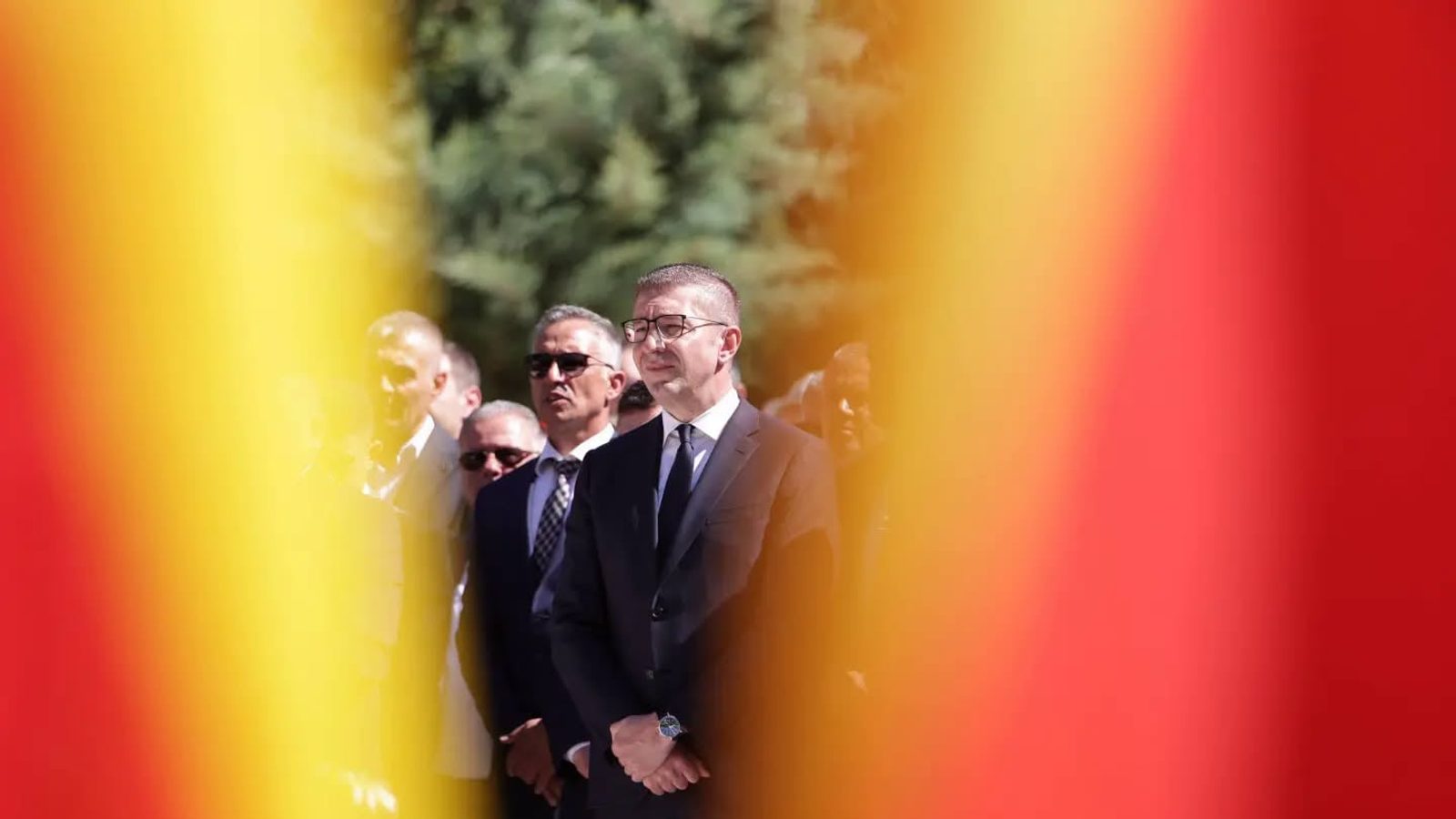
'Dregs', 'softies', 'swamp', 'mediocrities', 'vultures', 'necrophiles' — these are only some of the epithets that Prime Minister Hristijan Mickoski and other officials from VMRO-DPMNE use for political opponents, present daily in statements, at press conferences and in speeches on various occasions.
Communication experts call for a higher standard
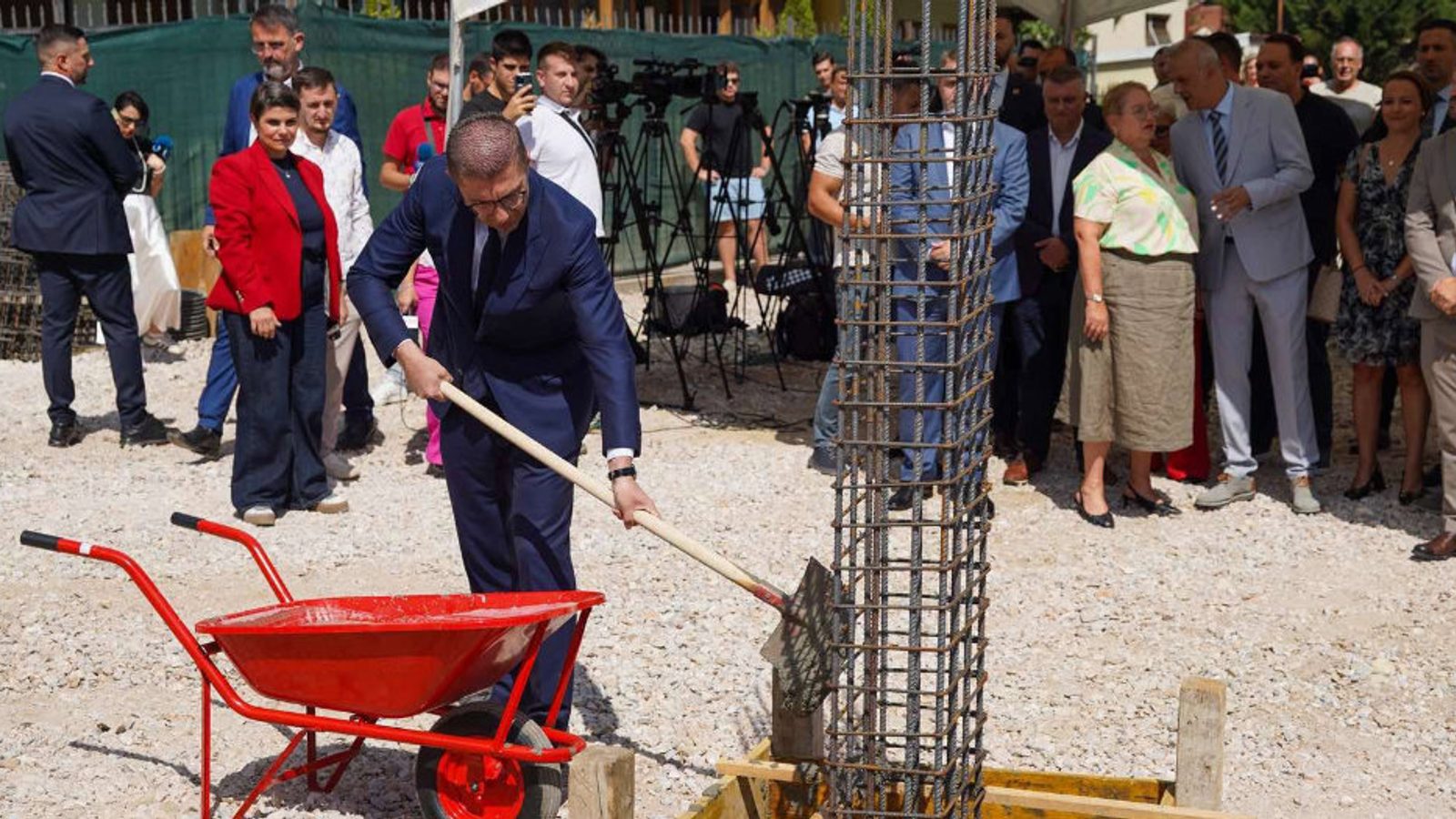
At the state celebration in Pelince on the occasion of Ilinden, Mickoski used strong qualifications and called the opposition 'the dregs of society'. In his speech on August 2 he warned citizens not to fall into 'the trap of the dregs they create' and called for a restoration of trust in institutions.
– 'Dear friends, please do not fall into the trap of the dregs they create. Please be careful and do not trust that dregs of failures, cynicism and hatred of everything that is successful. Our generation has an obligation to fight for something that is equally important: to preserve the soul, to restore trust in institutions, to restore the dignity of the honest person and once again make hope the strongest driving force of our society' — said Mickoski.
Communication scholar Sead Dzhigal assesses that insulting, militant and polarizing rhetoric is a long-standing phenomenon in the political culture and that such mockery and insult are unbecoming of public officials. He says this vocabulary should be discarded because it does not fit a healthy, functional democracy.
– 'Especially those in power and the holders of state institutions should show a higher level and be aware that when they address people, they are not speaking only to their party membership, but also to the citizens. They lead the institutions. Ultimately, to be honest, they receive their salaries from all citizens, not only from their party members, and they should be mindful. They should have a higher level of communication, which, conditionally speaking, would then be followed by the opposition as well. In that sense we lack that step from party rhetoric to statesmanlike discourse in political communication' — says Dzhigal.
In press releases and on social networks, VMRO-DPMNE repeats its criticism of the opposition and accuses it of corruption, clientelism and ruinous policies. 'The political dregs, created by years of corruption, crime, clientelism and ruinous policies, are today the loudest and try to present themselves as a moral authority. Citizens remember well who burdened the state, who humiliated it and who brought it to the lowest level of trust. That is why SDSM is on the margins of the political spectrum. The same traitors who secretly negotiated and made decisions to the detriment of Macedonia today give lectures on patriotism and transparency. Citizens know well who promised a European future but left disappointment, divisions and lies,' the party statement reads.
MPs from the ruling party continued with personal qualifications on social networks: Mile Lefkov wrote that SDSM leader Venko Filipche and the 'loyalists' recognized themselves in the label 'the dregs of society' and continued to 'sow hatred and divisions', while Brane Petrushevski posted that 'The societal dregs, in which parts of the opposition structures recognized themselves, feed on hysteria, fear and hopelessness'.
Critics point out that the insults are also extended to the judiciary — cases are covered with allusions to diarrhea, fever and stomach cramps — and among MPs there are direct personal insults: one MP from VMRO-DPMNE told a colleague from SDSM that 'she jumps like a chicken'.
Observers believe that the constant use of such epithets undermines public debate and trust and call for restrained, statesmanlike rhetoric that would help reduce polarization and restore the credibility of institutions.
Photo: Facebook