Tehran opens Strait of Hormuz to Iraqi tankers
Permission for Iraqi tankers follows a visit by Iran's parliamentary speaker and comes ahead of U.S. sanctions due to start Monday, August 24, 2026.
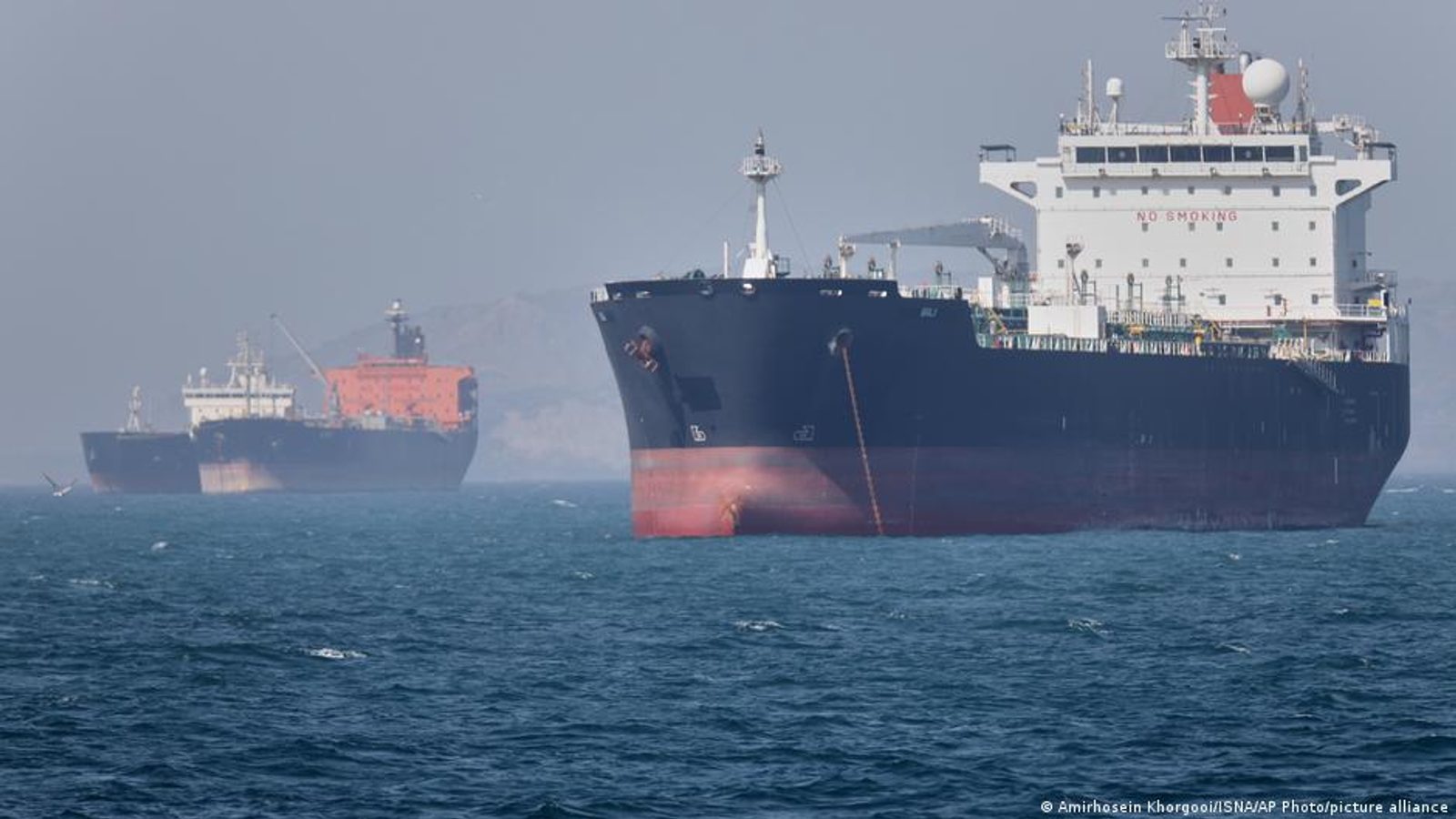
Tehran has granted special permission for Iraqi oil tankers to transit the Strait of Hormuz, Iraqi and Iranian officials said on August 22, 2026, a diplomatic breakthrough that follows a visit to Baghdad by the speaker of Iran's parliament, Mohammad Bagher Ghalibaf.
The state news agency announced that Iran authorised passage for several Iraqi tankers, but did not disclose how many vessels have so far used the route or whether the permission will be permanent for ships flying Iraq's flag.
Stronger ties as pressure mounts
Officials noted the decision comes amid growing economic pressure from the United States. Tehran and Baghdad remain closely linked — sharing a roughly 1,600-kilometre border and dense political and commercial ties — and Washington has accused Iran of exploiting cooperation with Iraq to evade sanctions.
U.S. authorities say Iran has used methods such as blending Iranian crude or fuel oil with Iraqi oil and presenting shipments as Iraqi in origin, backed by falsified documentation, in addition to traditional smuggling across the border.
U.S. Energy Secretary Chris Wright recently estimated that oil flows through the Strait have averaged about eight million barrels per day in recent weeks, down from more than 20 million barrels per day before the start of the war. Tehran has also threatened to attack unauthorised tankers operating in the area.
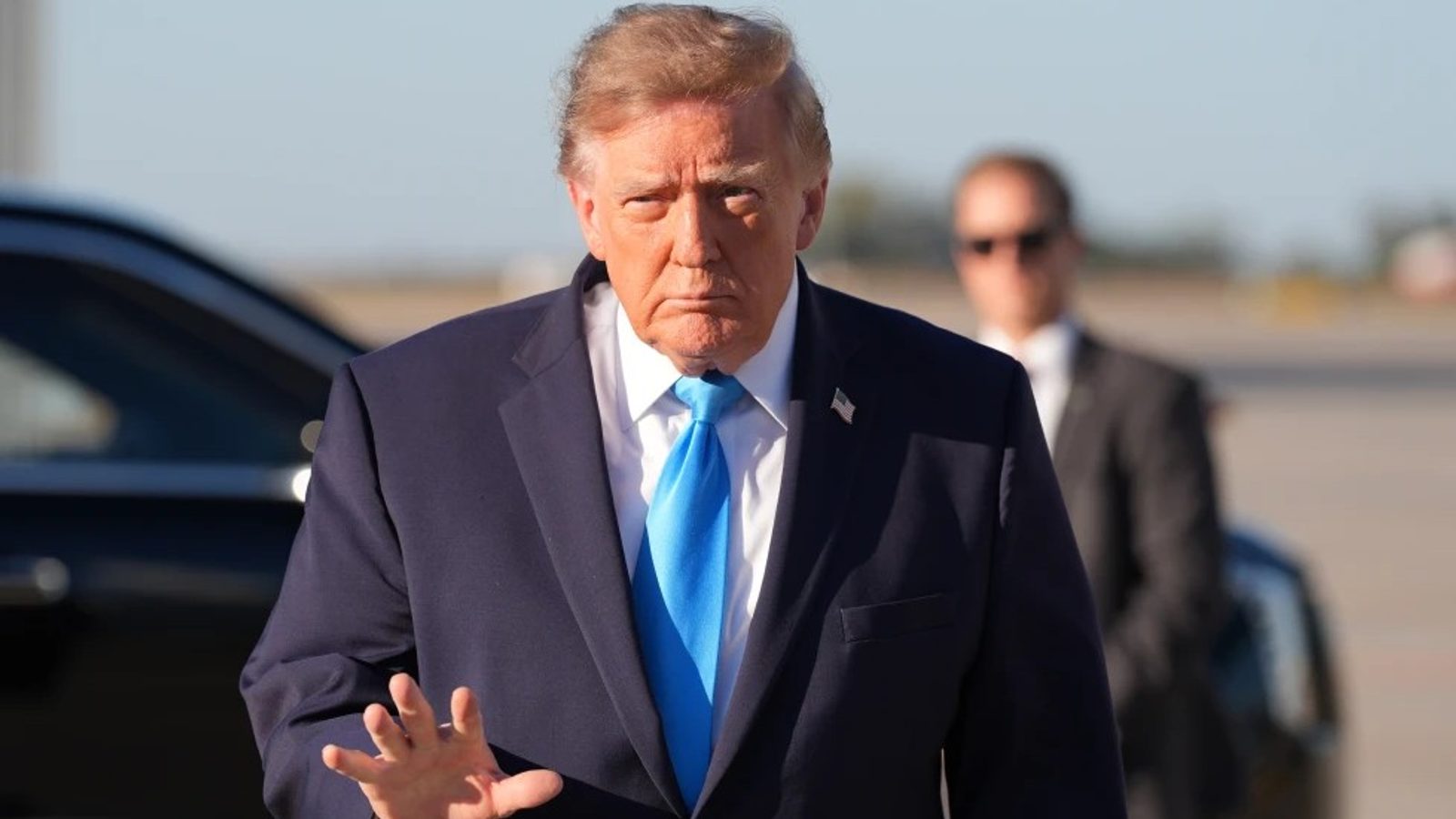
The decision to allow Iraqi tankers' passage arrives days before a new round of U.S. sanctions scheduled to take effect on Monday, August 24, 2026. U.S. Treasury Secretary Scott Besant has announced what he called "the toughest sanctions in history," warning that they could affect major trading partners of Iran, including China. "They would like to reach a deal, but in my view they are still not ready for a real deal," President Donald Trump said on Friday.
An Iranian Foreign Ministry spokesman, Esmail Bagadji, rejected the announced measures as without foundation in international law.
Photo: press material from the event