Tight race in Mecklenburg‑Western Pomerania: AfD and SPD neck‑and‑neck
A polarised campaign leaves AfD and SPD almost tied in polls ahead of the September 20, 2026 regional vote.
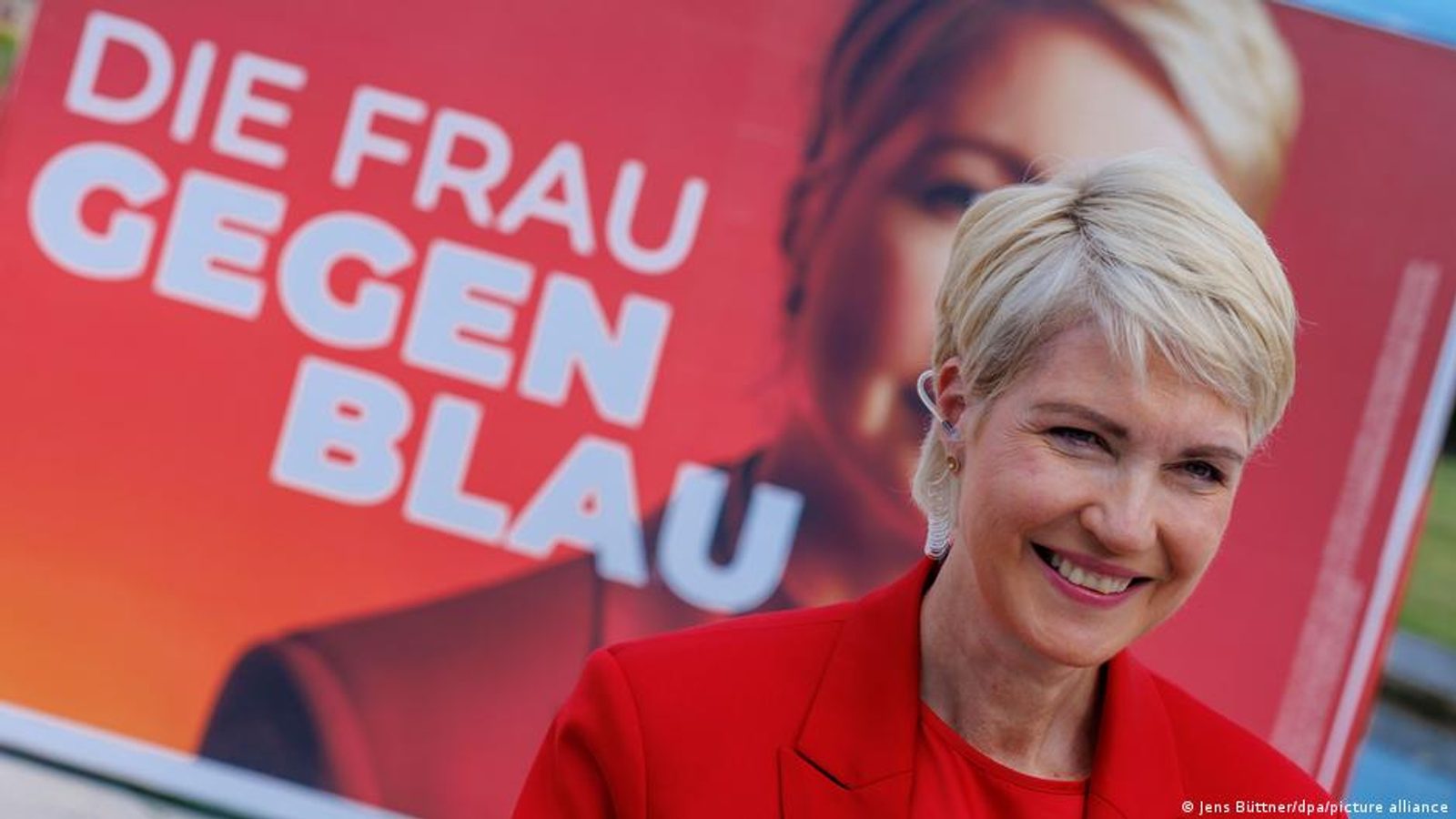
Mecklenburg‑Western Pomerania heads to regional ballots on September 20, 2026, after a campaign described by observers as one of the most polarised in the state’s recent history. Polls show the race virtually tied: the Social Democratic Party (SPD) enjoys 38 percent support while Alternative for Germany (AfD) is at 37 percent, and nearly one third of residents say they would back an AfD‑led state government.
The state premier, Manuela Schwesig, has campaigned under the slogan "Women against the blue" and frames her offer as continuity and protection for the existing political order — defending jobs, free kindergarten places and an open society. AfD and its candidate Leif‑Erik Holm, by contrast, have presented a platform of far‑reaching measures, some of which fall outside the competences of the regional government: suspending the admission of asylum seekers, halting wind‑farm construction, terminating the state treaty governing public broadcaster NDR and reopening the Nord Stream gas pipelines.
The contest has pushed other parties to the margins. The Christian Democratic Union (CDU) polls at about 7 percent and its regional leader Daniel Peters warns the party faces "a struggle for political survival." Greens and the Sahra Wagenknecht alliance (BSW) face uncertainty over whether they will pass the electoral threshold; the Free Democrats (FDP) are politically marginal in the state.
Main campaign issues and voter concerns
Voters listed education and schooling as their top priorities at the start of September, followed by the economy and migration. Unemployment, at roughly 8 percent, is close behind as a pressing concern. Citizens also expect improvements in health care, the pension system and measures to reduce social inequality; SPD and AfD are the two parties people express the most confidence in to tackle these problems.
Regional economic indicators complicate the SPD’s message of stability. Between 2020 and 2025 the region lost about 7.5 percentage points of industrial jobs, and many cash‑strapped municipalities struggle to fund universal kindergarten provision — a flagship of the current state administration.
Both SPD and CDU have had limited ability to gain from support for the federal government. Chancellor Friedrich Merz remains unpopular in the north‑east and held only one public rally in the region during the campaign. Schwesig has publicly argued that the federal government "has largely lost the trust of the citizens." Political scientist Wolfgang Muno of the University of Rostock expects high turnout and says the result in Saxony‑Anhalt has energised AfD supporters — turning this contest into both an opportunity for AfD and an alarm call for pro‑democracy voters. The true implications for Mecklenburg‑Western Pomerania will begin to emerge only on election night.
Photo: press material from the event