Tiana Ivanovska: Four subtle signs you’re with an abuser
Psychologist Tiana Ivanovska outlines four subtle patterns—control, emotional manipulation, isolation and guilt—that may signal an abusive partner.
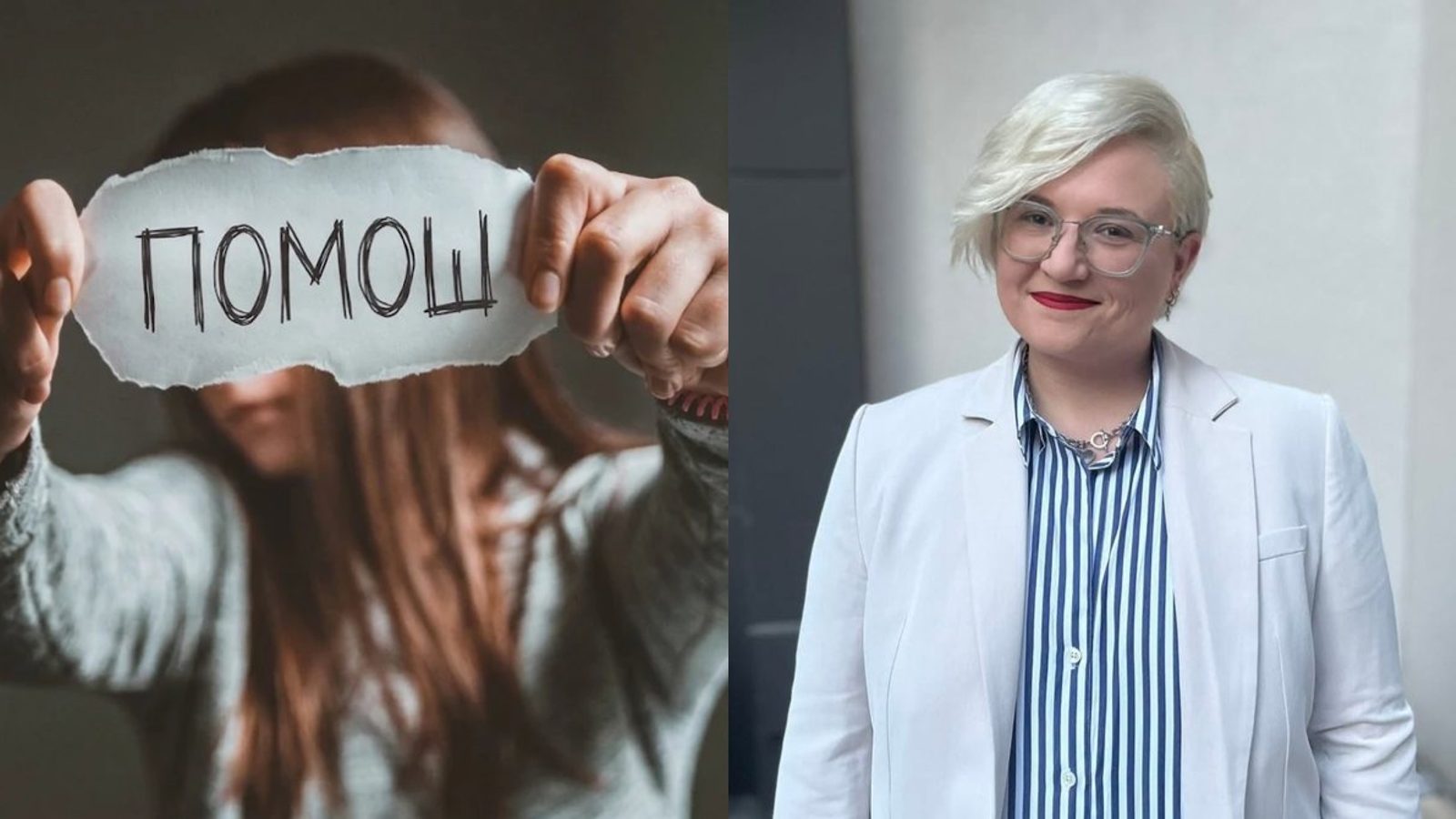
Tiana Ivanovska, a psychologist and psychotherapist with four years' experience at an anonymous helpline for women victims of violence, posted an Instagram video warning how abuse can begin quietly and under the guise of care.
"The biggest myth is that abusers are easy to recognize. You must bear in mind that at the beginning they disguise themselves as perfect partners," Ivanovska says, and then lists four recurring patterns to watch for in a romantic relationship.
1. Control masked as 'care'
Ivanovska notes that in many cultures control is conflated with concern. Phrases like "I'm only worried about you" or "I was concerned something happened to you" may sound benign, but become problematic when they turn into constant checks about where you are, who you're with and what you do during the day. "At first, this kind of attention and apparent love can make you feel like you've found the right, perfect partner. Gradually, this shifts into subtle control and a constant need for the partner to be informed where you are at every moment," she explains.
2. Emotional manipulation
When confronted, abusers often respond with dramatic appeals and guilt: "I love you so much and I can't live without you," Ivanovska says, adding that such words can quickly escalate to threats: "If you're not in my life, I would take my own life." She stresses that no one else's life is your responsibility and that these statements create manufactured guilt that keeps a partner compliant.
3. Subtle collective isolation
A common tactic is to distance a partner from friends, family and other close contacts. Ivanovska asks a simple but important question: "Why?" Because those close people are the ones most likely to notice early warning signs. The isolation is rarely about a single disagreement — it is a systematic effort to weaken long-standing social ties.
Aggression is never part of a healthy relationship
4. Manipulation through guilt
When violent or aggressive behavior can no longer be hidden, abusers shift blame onto the victim with lines such as: "You're to blame for the way I behave" and "You are responsible for my escalation; I'm not like this by nature," Ivanovska says. This transfers responsibility away from the person who is harming and onto the person who is harmed.
Ivanovska underlines a clear boundary: "Aggressive behaviour can never be considered healthy behaviour within a partnership. No partnership problem has been solved with raised voices, aggression and threats towards anyone," she emphasizes. She closes with a direct reminder to anyone who feels unsafe: remember that you have every right to say "no" and to refuse behaviour that endangers your sense of safety.
The examples were presented in an Instagram video published under the handle Sebeslozuvalka.
Photo: press material from the event