Trump faces test as US holds congressional elections; Supreme Court denies request to halt California mail ballot count
Voters cast ballots for all House seats and 35 Senate seats while the Supreme Court rejected an emergency request to stop counting California mail ballots.
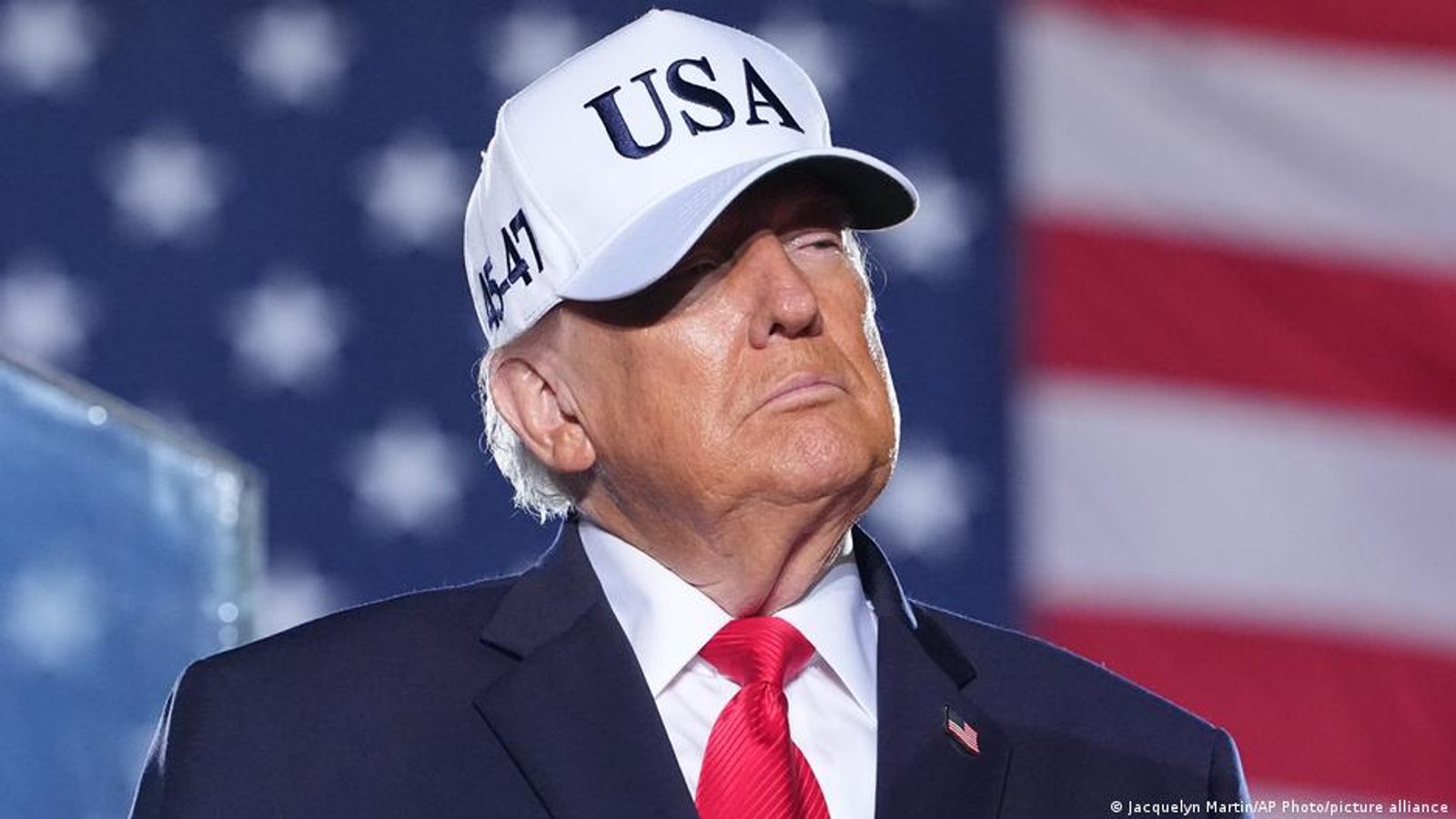
On November 3, 2026, voters across the United States went to the polls in midterm-style congressional elections that President Donald Trump cast as a referendum on his policies. Polling places on the East Coast opened at 6:00 a.m. local time as races for control of Congress unfolded.
All 435 seats in the House of Representatives and 35 of 100 seats in the Senate were on the ballot. Democrats aimed to retake one or both chambers; if successful, their control would sharply limit the president's room to maneuver in the middle of his second term, including the ability to block funding and to launch congressional investigations.
Also on the ballot and the political context
Voters in 36 states elected governors, and several states faced high-profile ballot measures: California voted on a proposed tax on the wealthy, while Idaho and three other states decided on measures tied to abortion rules. Polling ahead of the vote showed concerns among many Americans that Trump and his party bear responsibility for high fuel prices and rising living costs.
The contest took an immediate legal turn when the Supreme Court of the United States on November 2 denied an emergency request from the Trump administration to pause counting of about 20,000 mail ballots in California. Federal officials had alleged that the registered voters who cast those ballots were likely not U.S. citizens; the administration asked for a temporary halt to the count.
The high court issued a short, one-sentence order refusing the request and provided no explanation, a common practice for emergency filings. A federal appeals court had already rejected a similar motion from the administration on the previous Friday, making the Supreme Court decision another defeat for that legal effort.
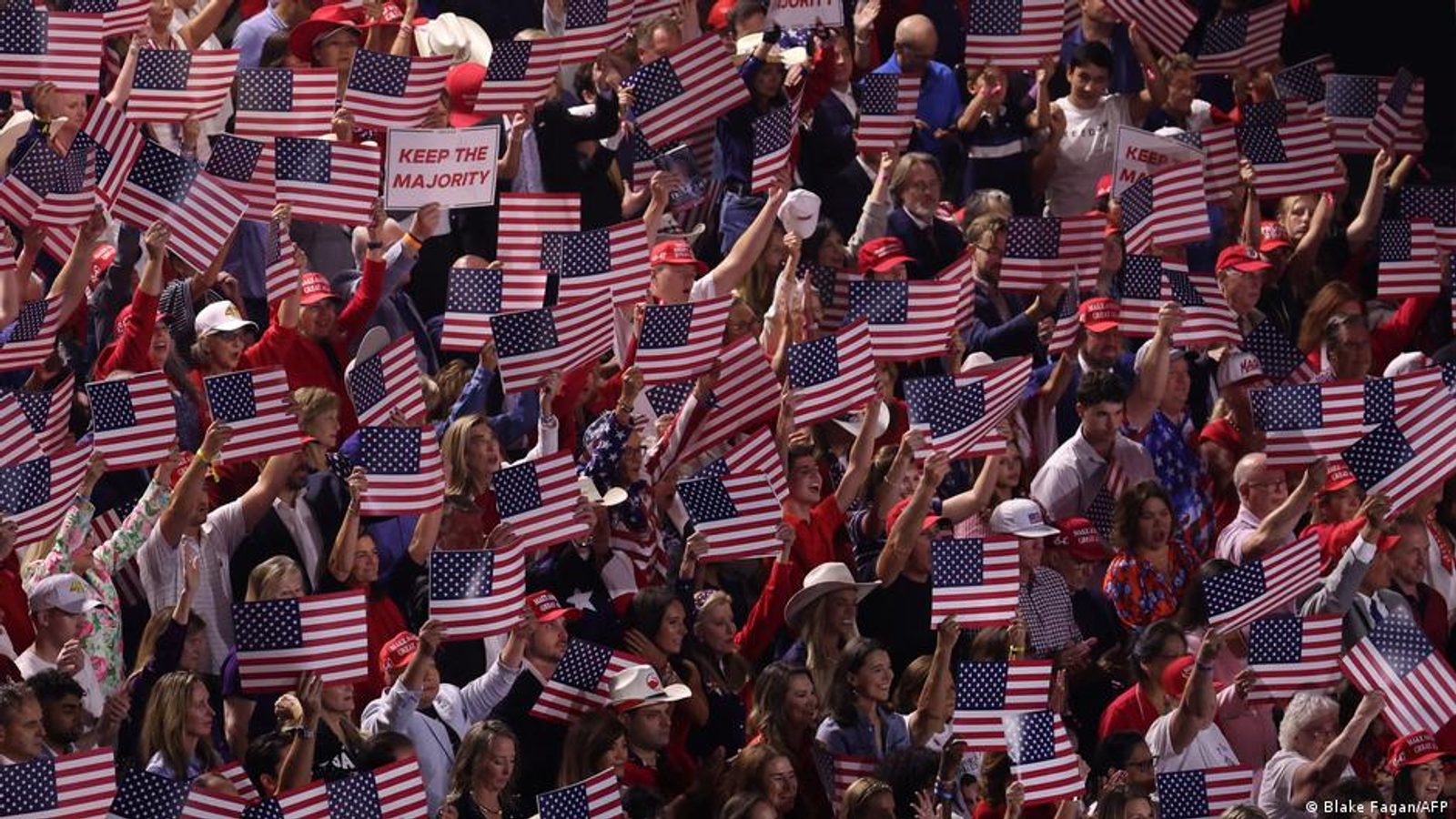
California Governor Gavin Newsom called the Supreme Court's action "an encouraging sign for all Americans in light of the shocking and dangerous attacks by the federal government on our democracy." The setback came as Republicans fought to retain their majority in Congress and as both parties sought to frame November 3 as decisive for the direction of U.S. policy.
Photo: press material from the event