Trump orders new strikes on Iran amid warnings of a protracted conflict
U.S. forces struck radar, air‑defence and maritime targets on Sept 1; experts warn a "mowing the lawn" strategy could produce a long, low‑intensity war.
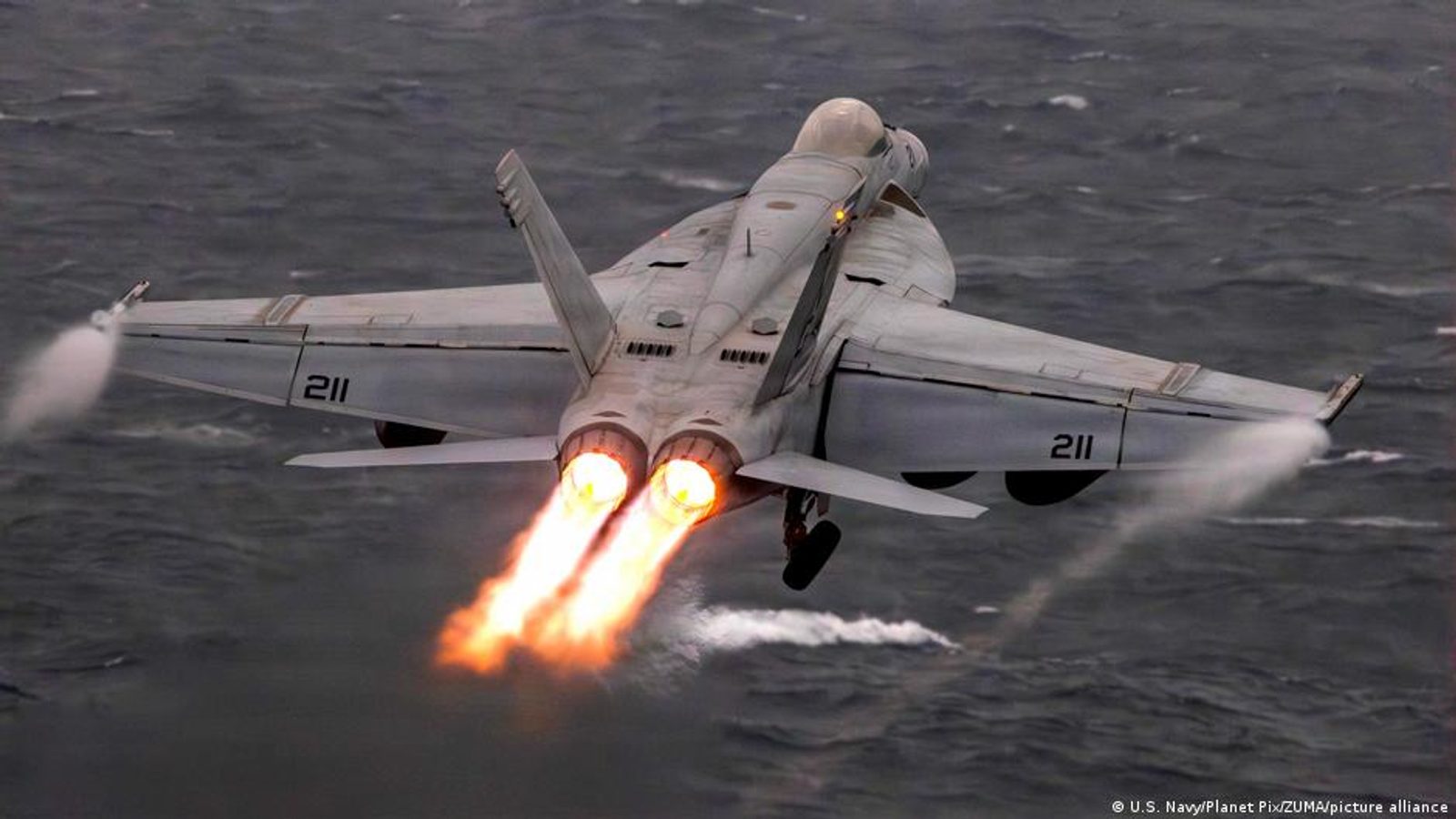
On September 3, 2026, the United States carried out another series of strikes against military targets in Iran, a campaign Washington says aims to prevent Tehran from restoring capabilities it had lost in earlier attacks. Analysts warn, however, that the approach risks locking both sides into a long, open-ended conflict.
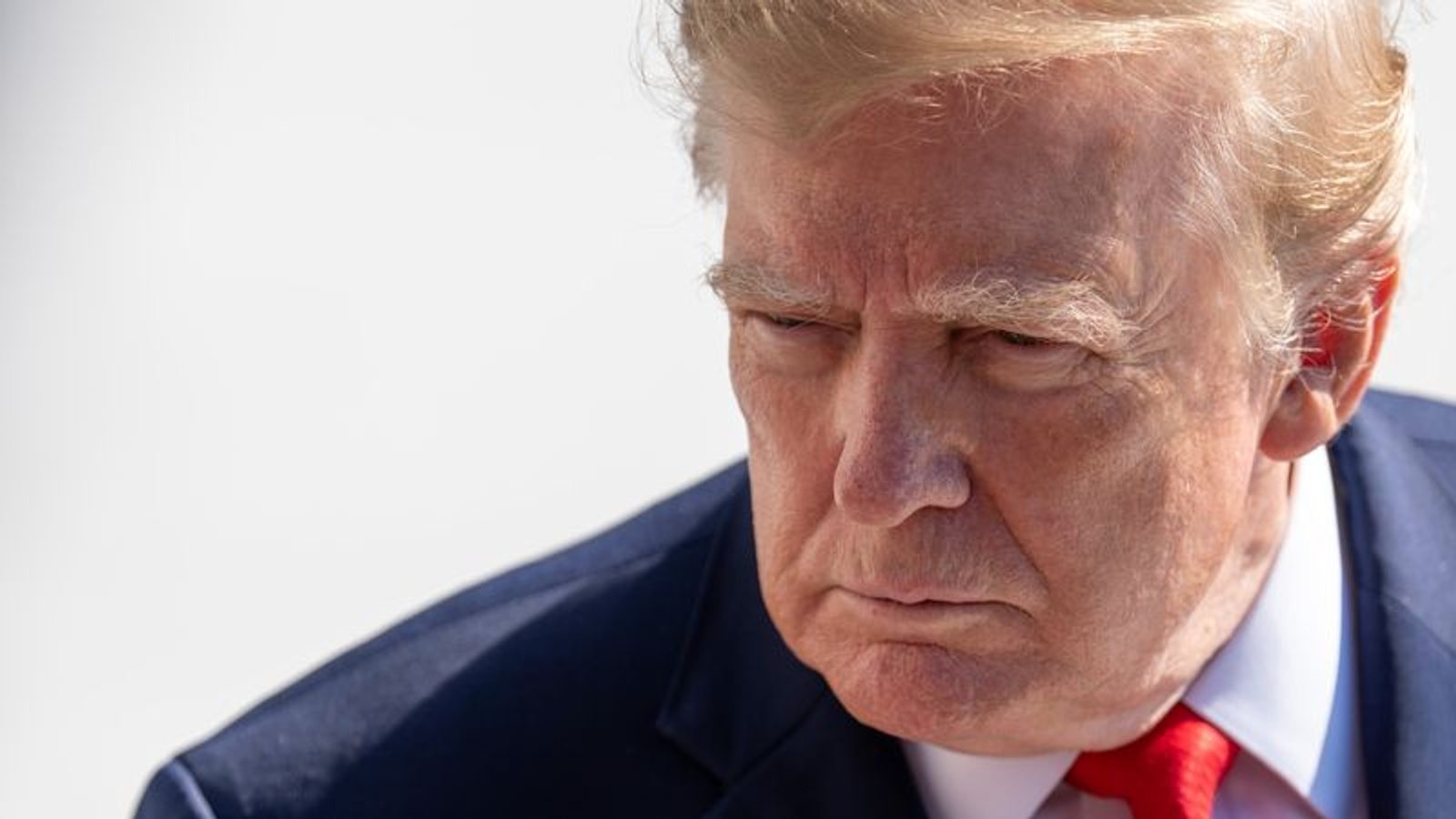
President Donald Trump described the recent phase in blunt terms and framed the strikes as reactive. He said: "We waited until they had almost completely rebuilt them, and then we struck them."
U.S. forces conducted the strikes on Tuesday (1.09). CENTCOM reported that the attacks destroyed radar and air-defense systems, maritime facilities, mine-laying capacities and communications installations.
Some U.S. officials have described the campaign with a phrase borrowed from Israeli security practice: "mowing the lawn." The label denotes a pattern of limited, recurrent operations intended not to decisively defeat an adversary but to keep its military capabilities suppressed below a politically dangerous threshold. Applied to Iran, it would mean monitoring rebuild efforts and striking again when certain capacities reappear.
Temporary effects, persistent risks
American strikes have produced tangible but short-lived results in the Strait of Hormuz area: Tehran's naval mines have been removed in part and some missile and radar systems degraded. Yet Iran has repaired or procured new radars, air defenses and anti-ship missiles, so the damage has not been permanent. Among the early targets of the U.S. strikes was the Natanz nuclear site.
Experts caution that the cycle of attack and repair can evolve into an enduring low-intensity confrontation. "It could become a persistent low-intensity conflict, punctuated from time to time by more intense military interventions," warned Mona Yacoubian of the Center for Strategic and International Studies in Washington.
Washington faces a strategic dilemma: allow Tehran to regain enough strength to raise the costs of passage through the Strait of Hormuz, or keep striking and risk prolonged escalation. Another difficulty is that the U.S. can calibrate its own attack tempo but cannot control Iran's responses. Tehran has already launched rockets and drones at American positions in the region; only Jordan reported that 13 ballistic missiles traversed its airspace, ten of which were intercepted.
For President Trump the approach has domestic appeal because it avoids large-scale occupation and deployment of major ground forces while permitting him to claim a more forceful foreign policy. Critics say, however, that this policy could become "a Sisyphean strategy of endless attrition": every successful strike would be followed by another cycle of Iranian rebuilding, and so on.
Photo: press material from the event