Trump administration considers 90‑day diesel export ban as internal and industry opposition grows
Proposal aims to cool rising diesel prices ahead of midterms but faces opposition inside the administration and from refiners.
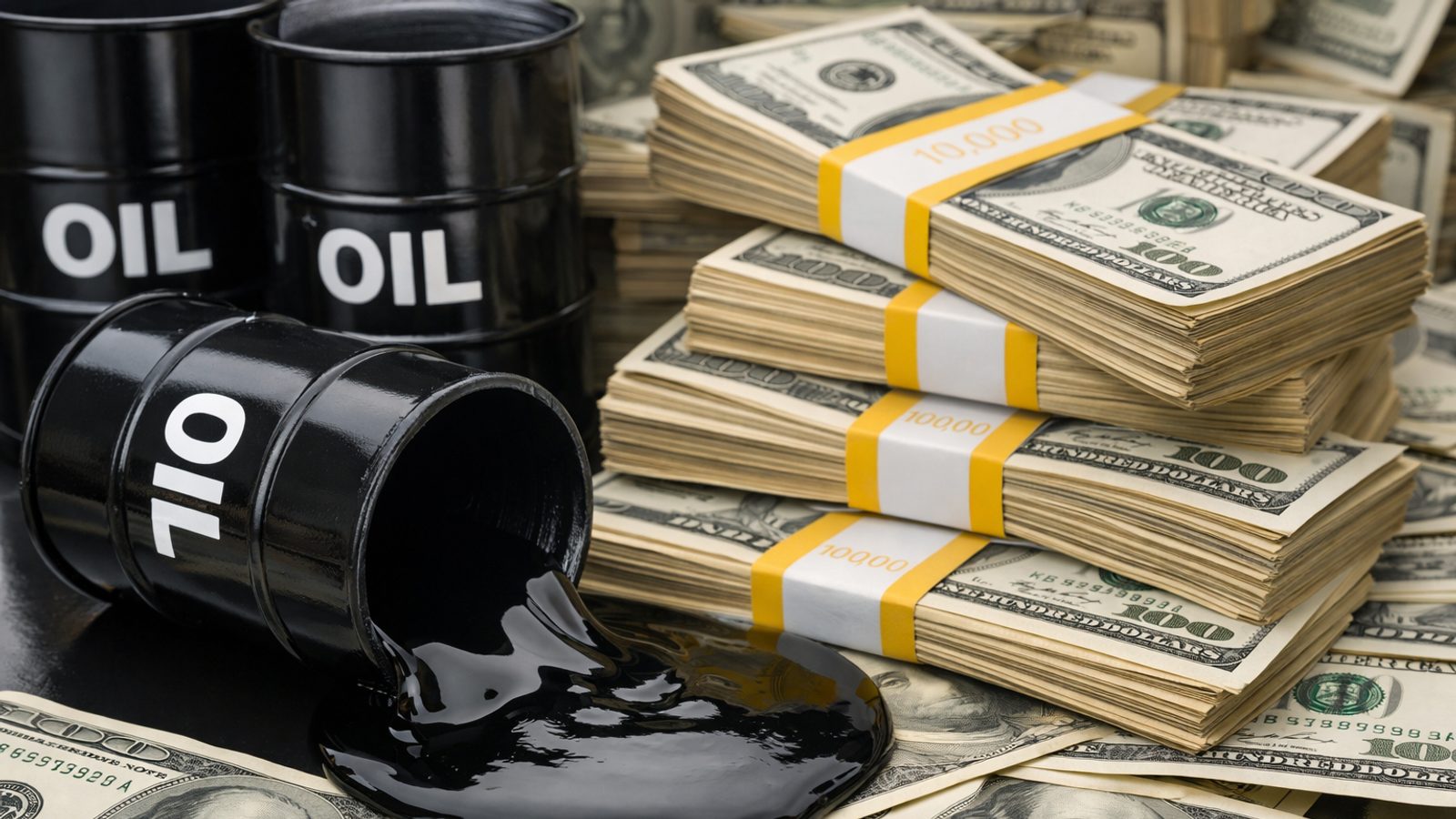
The Trump administration is preparing a 90-day ban on diesel exports in a bid to lower fuel costs that have become a political burden for Republicans ahead of the midterm elections, according to people briefed on the discussions. The proposal has opened deep rifts inside the administration and drawn sharp opposition from parts of the oil industry.
Division inside the White House and industry
Officials and industry executives say legal work on the ban is still under way. Some in the administration and many refinery leaders warn any short-term benefit could be erased by higher fuel prices later, because refiners would likely reduce output if exports are curtailed. If implemented, the move would mark the first major U.S. restriction on energy exports since the export ban was lifted in 2015.
Diesel prices have surged amid global supply shocks, including the administration’s campaign against Iran in February and Ukrainian strikes on Russian refineries. The national average price for a gallon of diesel was $6.52 on Wednesday, an increase of $0.91 from a month earlier and $2.83 higher than a year ago, according to AAA data. Some Republican lawmakers, refinery chiefs and even administration officials remain engaged in efforts to dissuade President Donald Trump from the ban, warning it could have perverse effects across gasoline, jet fuel and other product markets.
“What prevailed over reason [in the White House] was the concern about pump prices — a 'world-is-ending' mentality,” said one person, who spoke anonymously about internal White House discussions. Another industry executive said Trump is inclined to announce a restriction by the end of the week and views any fallout as “a problem for December.”
Energy Secretary Chris Wright, Treasury Secretary Scott Besent and Homeland Secretary Doug Burgum have objected to a full ban, people familiar with the internal debates said. “Besent is a good soldier,” one participant said. “He will state his view, and then move on.”
On Tuesday evening Wright called a string of energy CEOs to warn them a 90-day export ban was likely in the days ahead; several executives immediately phoned the White House to oppose the measure, an administration energy adviser said. An outside adviser also said the administration received “a lot of frantic messages” asking for alternatives and warned that a rolling or repeat ban could set a precedent for ongoing government intervention in energy markets.
A White House spokesman responded to questions by calling the report “This is another fake news story from 'Politico'.”
Analysts caution that a short-term restriction could initially push some overseas-bound cargoes back into U.S. markets and briefly ease domestic diesel prices. But Capital Economics’ chief economist for climate and commodities, David Oxley, warned that “a U.S. ban on diesel exports would exacerbate existing serious strains on the global diesel market and in the short term would raise prices outside the U.S. even further,” and that forced throttling back at U.S. refineries could eventually lift domestic costs.
The debate has been sharpened by pressure from agricultural Republicans, notably Senator Chuck Grassley of Iowa, who wrote on X that high diesel costs “ARE DESTROYING FARMERS’ INCOME,” prompting lawmakers from farm states to press for action even if it means limiting exports.
Photo: press material from the event